

Key Takeaways
-
Many everyday items—cleaning products, human foods, medications, and even pretty houseplants—can seriously harm pets, sometimes in surprisingly small amounts.
-
The 7 most commonly overlooked dangers include human medications, toxic foods (especially xylitol), dangerous plants, household cleaners, small stringy objects, garage chemicals, and scented products like essential oils.
-
Acting quickly matters: if you suspect poisoning, call your vet or Pet Poison Helpline immediately rather than waiting to see if symptoms develop.
-
Small, simple changes—better storage, pet-proof trash cans, choosing safer plants—can dramatically reduce risk without turning your home upside down.
-
This isn’t about fear or guilt. It’s about protecting the bond you share with your dog or cat through a few thoughtful habits.
Why “Normal” Homes Hide So Many Pet Hazards
Picture this: you’re making coffee, and a single ibuprofen slips off the counter. Before you can reach down, your dog has already investigated—and swallowed. It happens faster than you’d think.
The truth is, most pet poison emergencies don’t come from exotic chemicals or dramatic accidents. They come from common household items we barely think about. A pill on a nightstand. Lilies in a vase. Sugar free gum in a purse pocket. These hidden dangers sit quietly in our homes every day, and our pets are naturally curious creatures who explore the world with their mouths.
March is Pet Poison Prevention Awareness Month, but these risks don’t follow a calendar. So let’s walk through seven specific, commonly overlooked dangers together—and talk about calm, practical ways to address each one. No scare tactics here. Just one pet parent sharing what’s worth knowing with another.
1. Human Medications Left Within Paw’s Reach
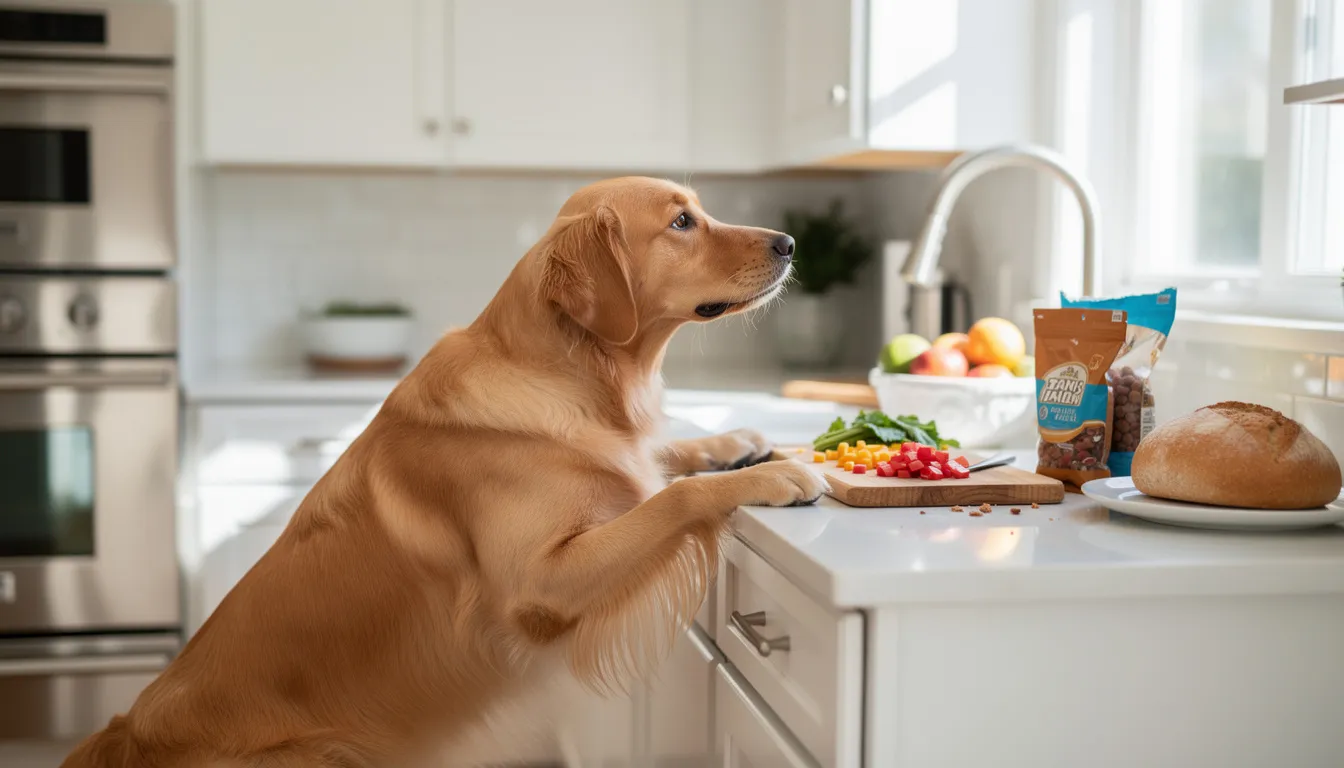
Over-the-counter and prescription drugs are consistently among the leading causes of pet poisonings at emergency clinics. It makes sense—we keep these everyday items close by, often on nightstands, counters, or in bags where curious pets can easily reach them.
Common culprits include:
-
Pain relievers like ibuprofen, naproxen, and acetaminophen
-
Antidepressants and ADHD medications
-
Heart medications and blood pressure pills
-
Sleep aids and muscle relaxants
-
Gummy vitamins (especially those containing xylitol)
Even a single pill can cause severe health problems. Ibuprofen can lead to stomach ulcers and kidney failure. Some antidepressants trigger a dangerous condition called serotonin syndrome. And those colorful gummy vitamins? They look like treats to a dog.
Simple ways to keep your pet safe:
-
Store all medications in closed cabinets, not on counters or nightstands
-
Keep weekly pill organizers in drawers rather than out in the open
-
Never give human medications to pets without explicit vet approval
-
Watch for dropped pills—they can roll under furniture where your pet might find them later
If your pet eats any medication, don’t try to induce vomiting on your own. Stay calm and call your vet, an emergency animal hospital, or the Pet Poison Helpline right away. Having that number saved in your phone can save precious minutes.
2. Toxic Foods Hiding in the Kitchen (and Purse)
We’ve all felt those eyes watching us eat. And sharing a bite with our furry companions feels like love. But some human foods that seem harmless to us are highly toxic to pets.
Foods to keep off limits:
|
Food |
Why It’s Dangerous |
|---|---|
|
Dark chocolate and baking chocolate |
Contains theobromine; higher concentrations are more dangerous |
|
Grapes and raisins |
Can cause sudden kidney failure, even in small amounts |
|
Onions and garlic |
Damage red blood cells, leading to anemia |
|
Alcohol |
Causes vomiting, disorientation, and breathing problems |
|
Caffeine |
Similar effects to chocolate toxicity |
But here’s the one that catches many pet parents off guard: xylitol. This artificial sweetener (also called a sugar substitute) hides in sugar free gum, some peanut butters, sugar-free baked goods, and even certain vitamins. In dogs, even a small amount triggers a rapid blood sugar crash that can lead to liver failure within hours. It’s extremely dangerous.
Other kitchen hazards worth knowing:
-
Unbaked bread dough (yeast creates alcohol and dangerous gas in the stomach)
-
Cooked bones (can splinter and puncture the digestive tract)
-
Fatty leftovers (can trigger painful pancreatitis)
Practical prevention steps:
-
Keep purses and gym bags with gum or snacks zipped and hung up
-
Use pet-proof trash cans with secure lids
-
Create a simple “yes foods / no foods” note for your fridge so everyone in the household knows what’s safe
-
Remind guests and pet sitters about harmful foods
If your pet eats any xylitol, grapes, raisins, or large amounts of chocolate, contact your vet immediately. Don’t wait to see if symptoms appear.
3. Houseplants and Flowers That Look Pretty but Poison Pets
That gorgeous bouquet on your dining table or the trailing pothos on your bookshelf might be more dangerous than you realize. Many common indoor plants and cut flowers are toxic to pets, even when marketed as “easy care” or “beginner-friendly.”
Especially dangerous plants to watch for:
-
Lilies (extremely toxic to cats—any part, including pollen and vase water, can cause kidney failure within 24-72 hours)
-
Sago palms (all parts are dangerous for pets; causes liver failure in up to 50% of dogs who ingest them)
-
Dieffenbachia and philodendron (calcium oxalate crystals cause painful mouth swelling and drooling)
-
Tulip and daffodil bulbs (concentrated toxins in the bulbs)
-
Aloe vera (causes vomiting and diarrhea if ingested)
Signs your pet may have nibbled something harmful:
-
Excessive drooling or pawing at the mouth
-
Pet vomit or sudden loss of appetite
-
Difficulty breathing
-
Lethargy or sudden behavior changes

Pet safe plant alternatives:
Good news—you don’t have to give up greenery. Spider plants, Boston ferns, and areca palms are among the ASPCA-listed pet safe options that still keep your home feeling alive and welcoming.
Before bringing any new plant or bouquet home, especially around holidays like Easter and Valentine’s Day, check it against the ASPCA’s toxic plant database. If your pet chews an unknown plant, take a photo, gently remove any plant material from their mouth, and call your vet with the picture for reference.
4. Cleaning Supplies and Disinfectants on the Floor and in the Air
We all want clean homes. But many of the cleaning products we reach for without thinking can cause serious problems for our furry friends—through licking, walking on wet surfaces, or simply breathing in fumes.
Products that deserve extra caution:
-
Bleach and bleach-based cleaners
-
Ammonia-based glass and surface cleaners
-
Toilet bowl tablets and drop-ins
-
Oven cleaners and drain openers
-
Concentrated disinfectant sprays and wipes
Here’s what often gets overlooked: pets walk on freshly mopped floors, then lick their paws. Cats in particular are sensitive to strong fragrances and aerosols because of how their bodies process harmful chemicals.
Simple safety habits:
-
Keep pets in another room while using harsh cleaners
-
Allow floors, tubs, and counters to fully dry before letting pets back in
-
Store bottles in latching cabinets, not under open sinks where a nudge can open the door
-
Rinse pet bowls, litter boxes, and crate pans thoroughly after using any disinfectant
Gentler alternatives:
-
Diluted vinegar and baking soda work well for many surfaces
-
Look for products specifically labeled as pet safe (though always read ingredients)
-
Never mix chemicals—bleach plus ammonia creates toxic fumes dangerous to everyone
This isn’t about feeling guilty for the products currently under your sink. It’s about a few easy tweaks that create a safe environment for curious pets who spend their days much closer to the ground than we do.
5. Small, Stringy, and Shiny Objects That Tempt Curious Mouths
Some of the most common pet emergencies don’t involve toxins at all—they involve simple objects that cause choking or intestinal blockages. These surgeries are stressful, expensive, and often preventable.
Objects that pose serious risks:
-
Hair ties and rubber bands
-
Sewing thread, yarn, and ribbon
-
Holiday tinsel and gift wrap strings
-
Fishing line and twist ties
-
Bread bag clips and small toy parts
-
Sharp objects like earring backs and thumbtacks
Cats are especially drawn to string-like items. The real danger? If they swallow a long piece that gets anchored somewhere (like under the tongue), it can “saw” through the intestines as the digestive system tries to move it along. About 70% of these cases require surgery.
Less obvious hazards:
-
Button batteries inside toys or remotes
-
Coins (especially post-1982 pennies, which contain zinc)
-
Small objects like Legos, game pieces, and pacifiers left on low tables
-
Dental floss and cotton balls in bathroom trash cans
Prevention that works:
-
Keep craft supplies in closed containers
-
Put away gift wrap and ribbon immediately after opening presents
-
Choose sturdy pet-safe toys without loose parts or long strings
-
Use lidded bathroom trash cans
One critical rule: If you see a string hanging from your pet’s mouth or rear end, never pull on it. This can cause severe internal damage. Call your vet immediately instead.
6. Garage and Yard Chemicals (and That Sweet-Tasting Antifreeze)
Some of the most dangerous toxins for pets aren’t in your living room—they’re in garages, sheds, and yards where we store automotive fluids, garden products, and pest control supplies.
High-risk products:
|
Product |
Why It’s Dangerous |
|---|---|
|
Antifreeze (ethylene glycol) |
Tastes sweet; causes kidney failure, often fatal |
|
Windshield washer fluid |
Contains methanol, which is toxic |
|
Rodent poisons |
Causes internal bleeding or neurological damage |
|
Slug and snail baits |
Often flavored; highly toxic to dogs |
|
Some lawn fertilizers |
May contain bone meal or other attractants |
|
Weed killers |
Can irritate skin and digestive tract |
Antifreeze deserves special attention. It tastes sweet to pets, so even a small spill in a driveway or garage floor can be tempting—and fatal. A pet who’s licked antifreeze might initially seem “drunk” or disoriented, but kidney failure can follow within days if untreated.
Rodenticides present a double risk. Dogs may eat the bait directly, or they may be exposed by eating a poisoned rodent. Either way, the result can be internal bleeding or even death.
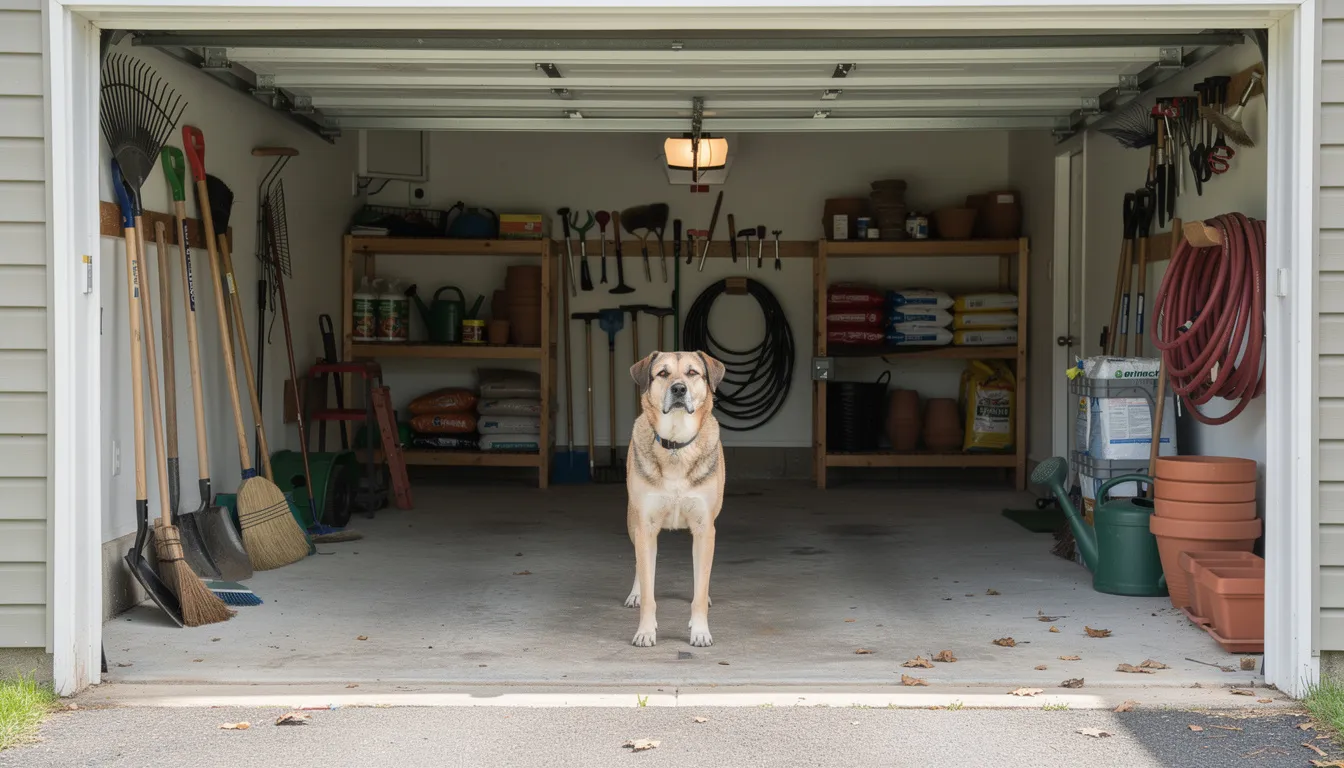
Practical garage and yard safety:
-
Wipe up any spills immediately
-
Store all chemicals on high shelves or in locked cabinets
-
Keep pets indoors until treated lawns and gardens are completely dry
-
Consider switching to pet-safer alternatives where possible
-
Supervise outdoor time, especially for dogs who like to drink from puddles
Always provide your pets with access to fresh water to discourage them from drinking from potentially contaminated puddles or outdoor water sources.
If you think your pet may have licked antifreeze or a pesticide, treat it as an emergency—even if they still seem normal. Act quickly and call your vet right away. Early treatment can be the difference between recovery and tragedy.
7. Scented Products, Essential Oils, and “Cozy” Home Fragrances
Candles flickering on the mantle. A diffuser filling the room with lavender. These touches make a home feel warm and inviting. But some of these cozy additions can pose potential dangers to our pets.
Essential oils that require caution:
-
Tea tree oil
-
Eucalyptus
-
Wintergreen
-
Clove
-
Peppermint (in concentrated forms)
-
Citrus oils
When diffused in poorly ventilated spaces, applied to skin, or ingested, these oils can cause anything from mild irritation to serious toxicity. Cats are particularly vulnerable because their livers lack certain enzymes needed to process many essential oil compounds safely.
Other scented products to be mindful of:
-
Liquid potpourri (can cause chemical burns if licked)
-
Concentrated fragrance oils
-
Fabric softener sheets (contain cationic surfactants that can cause GI irritation)
-
Heavily scented plug-in air fresheners
-
Aerosol room sprays
Creating a safer scented home:
-
Never apply essential oils directly to your pet’s fur or skin
-
Use diffusers only in well-ventilated areas where pets can freely leave
-
Keep oil bottles and wax melts in closed cabinets
-
Choose unscented or lightly scented laundry products when possible
-
Watch for reactions after introducing any new scented product
Signs of sensitivity to watch for:
-
Drooling or coughing
-
Pawing at the mouth or face
-
Watery eyes or sneezing
-
Wobbliness or sudden hiding behavior
Remember: “natural” doesn’t automatically mean pet safe. Many plants that produce essential oils evolved those compounds specifically to deter animals from eating them.
Symptoms of Pet Poisoning: What to Watch For
As a responsible pet owner, knowing the warning signs of pet poisoning can make all the difference in an emergency. Pets are naturally curious, and even a small amount of a toxic substance can lead to serious health problems—sometimes within minutes or hours.
Creating a Safe Yard: Outdoor Dangers and Solutions
Your yard should be a haven for your curious pets, not a source of hidden dangers. As a pet parent, it’s important to regularly inspect your outdoor space for potential hazards and make simple changes to keep your furry friends safe.
Simple Steps to Make Your Home Safer Today
Here’s the reassuring truth: you don’t need to pet proof your entire home in one afternoon. Small, intentional changes add up to meaningful protection for your furry companions.
A 10-minute safety sweep you can do right now:
-
Move medications and supplements into closed cabinets
-
Check counters and tables for toxic foods or harmful plants
-
Walk through your pet’s favorite rooms looking for small objects, cords, or tempting strings
-
Secure cleaning products behind latching cabinet doors
-
Save your vet’s number and the Pet Poison Helpline (855-764-7661) in your phone
Habits to build over time:
-
Always close lids tightly on bottles and containers
-
Wipe up spills right away, especially in the kitchen and garage
-
Check new plants and products before bringing them into your home
-
Keep trash cans lidded and prevent access to garbage areas
Get everyone on the same page:
If you share your home with kids, roommates, or partners, make sure everyone understands what’s off limits for your pet. A quick conversation—or a simple note on the fridge—can prevent accidents when you’re not around.
Think about where your pet spends most of their time. The kitchen floor where they wait for dropped crumbs? The sunny windowsill they nap on? The bathroom where they follow you every morning? Start your safety check in those spots first.
These small steps are really just another way of taking compassionate care of the family member who greets you at the door every single day.
What To Do If You Think Your Pet Has Been Poisoned
Suspected poisoning is always a “call now, not later” situation. Even if your pet seems fine, some toxins don’t show symptoms for hours—and by then, the window for effective treatment may have passed.
Immediate steps:
-
Remove your pet from the source and prevent access for other animals
-
Stay calm—your pet picks up on your stress
-
Don’t try home remedies found online (many do more harm than good)
-
Do not induce vomiting unless specifically directed by a veterinarian or poison expert
Information that helps the vet:
-
Product name and strength (bring the packaging if you can)
-
Approximately how much may have been eaten
-
When the exposure happened
-
Your pet’s weight and any existing health conditions
Numbers to have ready:
-
Your regular veterinarian
-
Nearest 24/7 emergency animal hospital
-
Pet Poison Helpline: 855-764-7661
-
ASPCA Animal Poison Control: 888-426-4435
Consider keeping a small “emergency folder” at home with your pet’s vaccination records, current medications list, and these poison control contacts. In severe cases, having everything in one place saves precious time.
Even with our best efforts, accidents can happen. What matters most is responding quickly and getting your furry friends the professional help they need.
Additional Resources for Pet Safety
Staying informed is one of the best ways pet parents can keep their furry companions safe from common household dangers. With so many everyday items—like dark chocolate, sugar free gum, peanut butters, and fabric softener sheets—posing risks, it’s important to have reliable resources at your fingertips.
FAQ: Everyday Household Dangers and Pet Safety
Are there any completely safe human foods I can share with my dog or cat?
Yes, some human foods are generally safe in moderation. For dogs, plain cooked chicken (no bones or seasoning), small pieces of carrot, green beans, and plain cooked sweet potato are usually fine. Cats often enjoy small amounts of plain cooked fish or chicken. Always avoid seasonings, sauces, and bones. If your pet has any medical conditions like kidney disease, diabetes, or food allergies, check with your vet before offering new treats.
How can I tell if a new cleaner or product is pet-safe before I buy it?
Unfortunately, “pet-safe” on a label isn’t strictly regulated. Look for products with clear, readable ingredient lists and follow all dilution directions carefully. When in doubt, check trusted sources like your veterinarian, the ASPCA website, or the Pet Poison Helpline before using something new around your pet. You can also test new products in a small area while keeping your pet out of that room, watching for any sneezing, coughing, or behavioral changes once they return.
Is it okay to use essential oils on my pet for fleas or calming?
It’s best to avoid applying essential oils directly to your pet’s skin, fur, or collar—especially for cats, who lack the liver enzymes to safely process many oil compounds. DIY recipes from social media or well-meaning friends can cause serious harm. Instead, ask your veterinarian for evidence-based flea control options and safe anxiety support products specifically formulated for pets.
What’s the difference between a “toxin” and a “choking hazard” for pets?
Toxins cause internal damage when swallowed, inhaled, or absorbed through the skin—think chocolate, antifreeze, or certain plants. Choking and obstruction hazards are physical objects that block the airway or get stuck in the digestive tract, like bones, hair ties, or string. Some items, like button batteries, are dangerous both ways (chemical burns from leaking contents plus obstruction risk). Both types of emergencies require prompt veterinary care.
How often should I do a home safety check for my pet?
A quick walkthrough whenever something changes at home is a good rule—new baby, new roommate, home renovation, new holiday decorations, or new cleaning products. Beyond that, a general safety check every few months helps catch things that have gradually accumulated (like that drawer of random batteries or the plant a friend gifted you). Pay attention to your own pet’s habits too. If they’ve started counter surfing or chewing on cords, adjust your routine to match their current interests.