


There is something simple and good about summer with a dog. The longer walks, the park trips, the wet paws after swimming, the way your pet finds the one sunny spot on the floor and settles in like it was made for them.
But summer days also bring risks that many dog owners do not see coming. The 7 summer hazards every dog owner should know were chosen because they are common in the summer months, can become serious quickly, and are often preventable with a little planning.
How We Identified the Most Critical Summer Hazards
We looked at summer hazards by asking three plain questions: Can this become dangerous fast? Does it happen often in hot weather or warm weather? Can pet owners prevent it with simple choices?
We also considered breed, age, health, activity level, and place. A Bulldog in Dallas faces different heat risks than a young Lab near a lake, and a senior dog spending time in the great outdoors may need more help staying cool than other dogs.
The 7 Most Dangerous Summer Hazards for Dogs
1. Heat Stroke and Overheating
Heat stroke happens when a dog's body temperature rises so high that the body cannot cool itself. Dogs cannot sweat like humans. They rely mostly on panting, with only slight sweat through their paws, so high humidity and high temperatures can cause fatal heatstroke in dogs.
Why this is dangerous: heatstroke can lead to permanent internal organ damage if not treated promptly. Common signs of heatstroke in dogs include heavy panting, excessive panting, lethargy, rapid heart rate, red gums, disorientation, drooling, glazed eyes, collapse, and difficulty breathing. A UK study found that most recorded canine heatstroke cases were linked to exercise, which is a reminder to monitor activity levels during summer. You can read more from Cornell's summer heat safety guidance.
Dogs most at risk include brachycephalic breeds, such as Bulldogs and Pugs, because shorter airways make it harder for them to cool down effectively. Elderly dogs, puppies, overweight dogs, thick coated dogs, and animals with heart or breathing problems also need extra care.
Prevention is simple but serious. Walk during early mornings or cooler evening hours, avoid long periods in extreme heat, provide shade because it helps dogs escape direct sunlight and lowers their body temperature, and keep outdoor activities short on every hot day. If a dog shows signs of overheating, move them to a cool place and apply room temperature cool water to their paws and belly while you seek assistance from a veterinarian. Cooling mats or vests can help regulate a dog's body temperature during outdoor activities, and using cooling vests or mats can provide relief from heat.
2. Hot Pavement and Surfaces
Hot pavement can burn a dog's paws faster than many people expect. Pavement can reach temperatures of 130 degrees Fahrenheit or more on hot days, and asphalt and concrete can retain heat long after the sun goes down.
Why this is dangerous: hot surfaces can burn a dog’s paws in a short period, especially the sensitive paw pads. Use the recommended 7-second rule for testing temperature. If the pavement is too hot for a human’s hand, it is definitely too hot for a dog to walk on.
Dogs most at risk include puppies, small dogs, dogs with thin skin, and any dog with injured or sensitive paw pads. Warning signs include limping, lifting feet, refusing to walk, licking the dog's paws, redness, blisters, or peeling.
To protect their paws, dog owners should stick to grassy areas or dirt paths whenever possible, as these surfaces remain significantly cooler than asphalt or concrete. Paw boots can also help when shade is limited.
3. Dehydration and Water Access
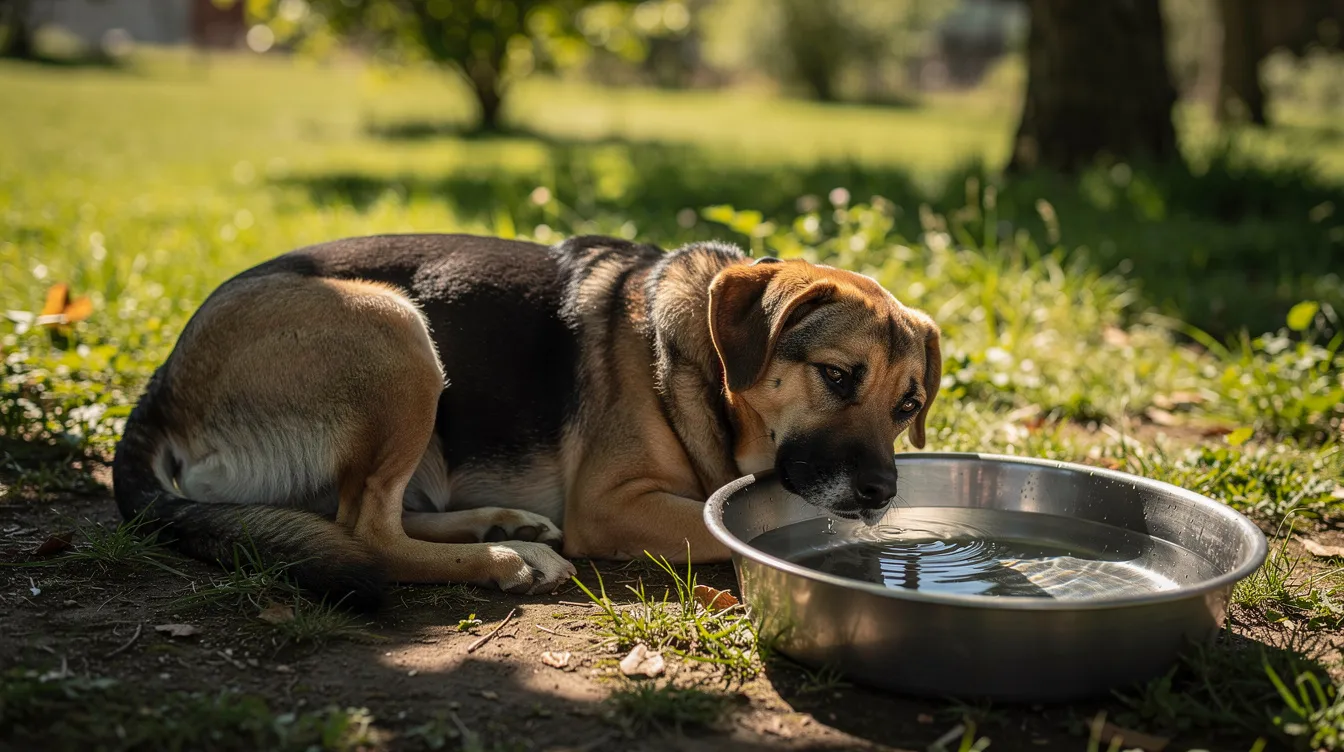
Dogs can become dehydrated in hot weather, so it is essential to ensure they have constant access to clean and fresh water, especially during outdoor activities. Dogs lose fluids rapidly in humid weather and can only cool down by panting or sweating slightly through their paws.
Why this is dangerous: dehydration can lead to overheating, kidney stress, and collapse. Dogs can suffer from heatstroke when exercising in hot weather, especially without access to sufficient drinking water.
Dogs most at risk include active dogs, small breeds, seniors, puppies, and dogs with health conditions. Watch for dry gums, heavy panting, low energy, loss of appetite, sunken eyes, and confusion.
Providing constant access to fresh, cold water is essential for dogs during hot weather to prevent dehydration and support their natural cooling processes. Portable water bowls are recommended for outdoor activities, allowing dogs to stay hydrated while on hikes, walks, or trips to the park. Ice cubes can be offered carefully as a small cooling treat, but do not let an overheated dog gulp too much too fast.
4. Cars and Enclosed Spaces
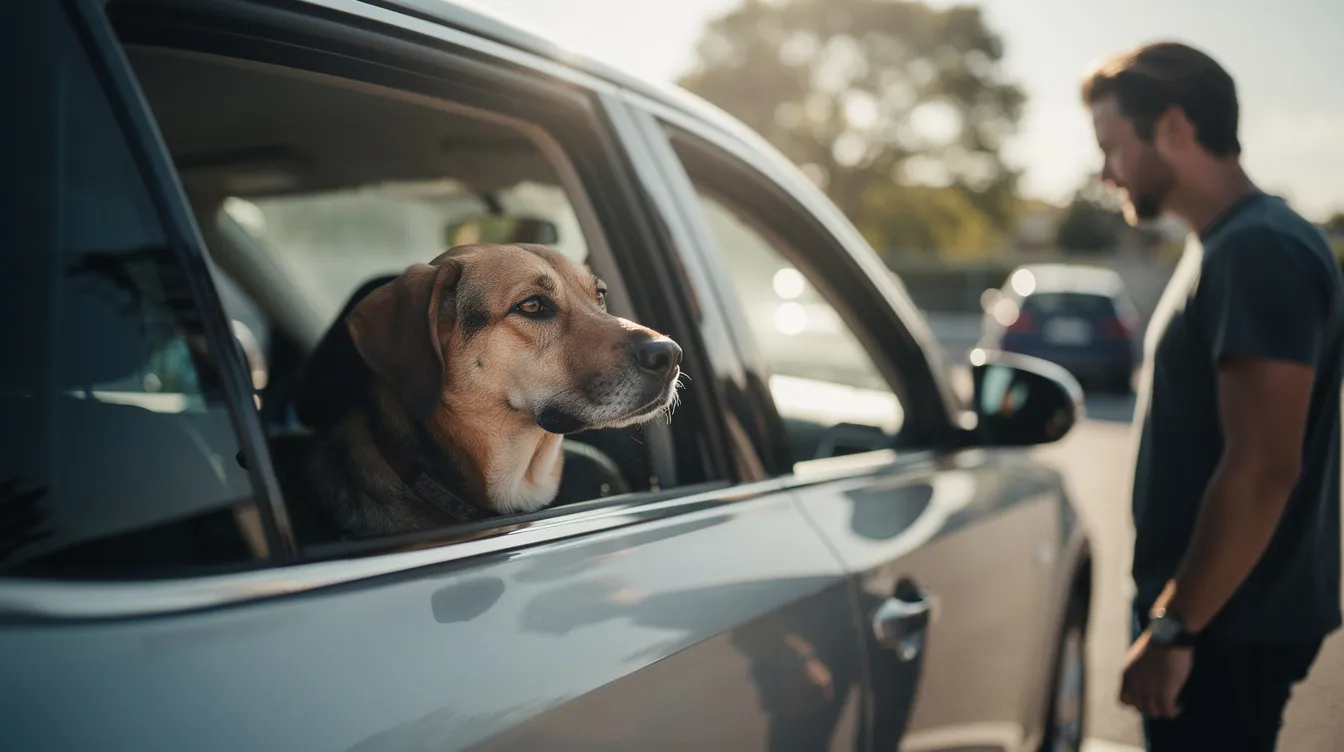
A hot car is one of the most preventable summer dangers. Temperatures inside a parked car can rise by 30 degrees Fahrenheit in just minutes, creating a dangerously hot environment for dogs.
Why this is dangerous: even on a mild day, a car can heat up to 116 degrees Fahrenheit within an hour. Dogs can suffer from heatstroke in just a matter of minutes when left in a hot car, which can be fatal if not addressed immediately.
All dogs are at risk. Windows cracked do not make a parked car safe, and poor air circulation makes panting less effective. Never leave your dog in the car, even for a short errand.
Plan dog free errands or bring another person who can stay with your furry companions in an air conditioned space.
5. Parasites and Pest Exposure
Flea, tick, and mosquito activity rises in the warmer months. Fleas, ticks, and mosquitoes thrive in the summer, posing health risks to dogs, and warmer weather means an increase in flea, tick, and mosquito activity, making parasite prevention essential for dogs during the summer months. Fleas can affect cats too, so multi-pet households should manage prevention across both animals.
Why this is dangerous: warm weather accelerates parasite life cycles, increasing the risk of Lyme disease from ticks and heartworm disease from mosquitoes. Heartworm disease, which is transmitted through mosquito bites, can be fatal for dogs, so it is crucial to keep them up to date on preventive medications during the summer. Effective tick control is key to preventing diseases such as Lyme Disease and Anaplasmosis, which can be transmitted to dogs through tick bites.
Dogs most at risk include outdoor dogs, dogs in wooded or grassy areas, and dogs not on preventatives. Watch for scratching, skin irritation, visible parasites, lethargy, and signs of infectious diseases. Other parasites can also cause stomach upset and anemia.
Summer landscaping can introduce toxic fertilizers, pesticides, and harmful plants. Dogs can suffer severe poisoning or health issues from ingesting toxic lawn chemicals, so keep them away from treated exposed areas and ask your veterinarian about safe flea, tick, and heartworm prevention.
6. Water Related Dangers
Swimming looks joyful, but it needs supervision. Swimming can be risky for dogs, as they may drown if they fall into water unexpectedly or become exhausted while swimming, highlighting the need for supervision and safety measures like life jackets.
Why this is dangerous: unsupervised pool access can lead to exhaustion for dogs, and stagnant water can harbor lethal blue-green algae blooms. Toxic algae can cause vomiting, weakness, seizures, liver damage, and death. The EPA guidance on harmful algal blooms recommends avoiding water with scum, mats, foam, or strange color.
Dogs most at risk include inexperienced swimmers, older dogs, puppies, and any dog near unsafe water. Keep a leash near lakes and rivers, use a dog life jacket on a boat, bring fresh water so they do not drink pond or salt water, and rinse them after swimming.
7. Stinging Insects and Venomous Creatures
Summer brings more bees, wasps, hornets, biting flies, and snakes. Curious dogs often sniff before they think, which can lead to insect bites or venomous encounters.
Why this is dangerous: allergic reactions can cause swelling, hives, vomiting, collapse, or difficulty breathing. Snake bites can damage tissue and blood vessels and may lead to shock.
Dogs most at risk include curious dogs, hunting dogs, and pets exploring brush or tall grass. Keep dogs on a leash in high risk areas, check your yard before play, and seek veterinary attention for swelling, sudden pain, weakness, or breathing trouble.
Quick Guide to Summer Hazards by Risk Level
-
Heat Stroke: immediate life threat requiring emergency action.
-
Hot Surfaces: immediate burn risk, often preventable.
-
Car Entrapment: fatal within minutes, completely avoidable.
-
Water Dangers: serious risk requiring constant supervision.
-
Dehydration: develops quickly, prevented with preparation.
-
Parasites: ongoing health threat managed with preventatives.
-
Stings and Bites: variable risk depending on location and dog behavior.
How Pet Owners Can Prioritize Prevention Based on Your Situation
Consider Your Dog's Individual Risk Factors
Your dog does not need every precaution equally. Flat faced breeds, seniors, puppies, overweight dogs, short haired dogs, thin coated dogs, and dogs with pink skin need more protection from heat and sun. Dogs with short hair, thin coats, or pink skin can easily get sunburned, leading to skin cancer. Applying pet safe sunscreen to unpigmented areas of a dog can help prevent skin cancer related to sunburn.
Focus on Your Summer Activities
Beach days, hikes, barbecues, and backyard parties each carry different risks. Barbecues can pose risks to dogs, as they may consume dangerous leftovers or scraps, such as bones or skewers, which can lead to serious health issues like intestinal blockages. Leftover food should stay out of reach.
Loud noises from fireworks or thunderstorms can terrify many dogs, causing distress and escape attempts. High decibel summer events such as fireworks can trigger extreme anxiety in dogs, so give your pet a quiet indoor room before the noise starts. Setting up that calm space in advance is a great idea during fireworks season or summer storms.
Know Your Geographic Risks
Hot climates need stronger heat planning. Lake regions need algae awareness. Rural areas need snake and tick planning. Coastal areas need care around salt water, sun, and currents.
Creating a cool indoor space for dogs is essential during hot weather, and using fans and air conditioning can help maintain a safe climate. Keeping curtains closed can help block out solar heat and maintain a stable indoor temperature for dogs during summer. Providing access to cooler areas in the house, such as tiled floors, can help dogs stay comfortable during high temperatures.

Which Hazards Demand Your Immediate Attention
If you live with high temperatures, start with heat, hydration, shade, and the car rule. If you visit pools, lakes, beaches, or rivers, focus on swimming safety and toxic algae. If you spend time outdoors in woods or grass, focus on flea, tick, mosquito, and snake prevention.
No matter where you live, never leave your dog in a parked car. That rule has no exception.
Keeping Summer Safe and Enjoyable
The best safety tips are usually the quiet ones. Carry water. Choose shade. Test the ground. Watch the signs. Know when a dog has had enough time outdoors.
Our furry friends and furry companions do not know when a summer adventure is becoming too much. That part is ours to notice.
The moments we share with dogs are worth protecting. If you have a photo from one of those ordinary summer moments, the kind you already know you will want to remember, Print Our Pet can turn it into a hand-illustrated portrait when you are ready.