

Key Takeaways
-
Your dog feels your mood more than you realize—stress, calm, and everything in between shapes their world.
-
Dogs remember the small rituals: the leash sound, the bedtime scratch, the tone of your voice when you’re happy.
-
Clear, consistent rules aren’t about control—they help your pup feel safe.
-
A tired body doesn’t equal a tired brain; mental exercise matters just as much as a good walk.
-
Their life is shorter than ours, so the ordinary moments you spend together matter more than you might expect.
Introduction: Hearing the Things Your Dog Can’t Say Out Loud
You come home at 6:30 p.m. The tail is already wagging before you open the door. That moment holds more unspoken emotion than we often realize.
Dogs don’t speak in words. They communicate through body language, habits, and the little rituals that make up your shared life. This article translates seven of those unspoken dog wishes—not to make you a perfect owner, but to help you see the world from their perspective.
As a person, you are your dog's main advocate and interpreter—they rely on you to understand their needs and feelings, since they cannot speak for themselves.
At Print Our Pet, we’re fellow pet parents who care about the stories behind each dog. Each section below gives one clear idea, a few real-life examples, and gentle suggestions for your single day together.
1. “I Feel Your Emotions More Than You Think”
Your pup paces during a tense Zoom call. They curl up quietly when you’re sick on the couch. This isn’t coincidence.
Research shows dogs read your voice, posture, and facial expressions with remarkable accuracy. Their brains actually light up in response to human emotions—and when you share a calm moment together, your brainwaves can even synchronize.
Your mood affects them, even when you don’t say a word. Take a moment to imagine what's going through your dog's head as they pick up on your emotional state.
What helps:
-
Use a softer voice during corrections
-
Add a short cuddle after a hard day
-
Keep big arguments away from your dog when possible
Ask yourself: if my dog could describe the energy in our home this week, what would they say?
2. “I Remember More Than You Realize”
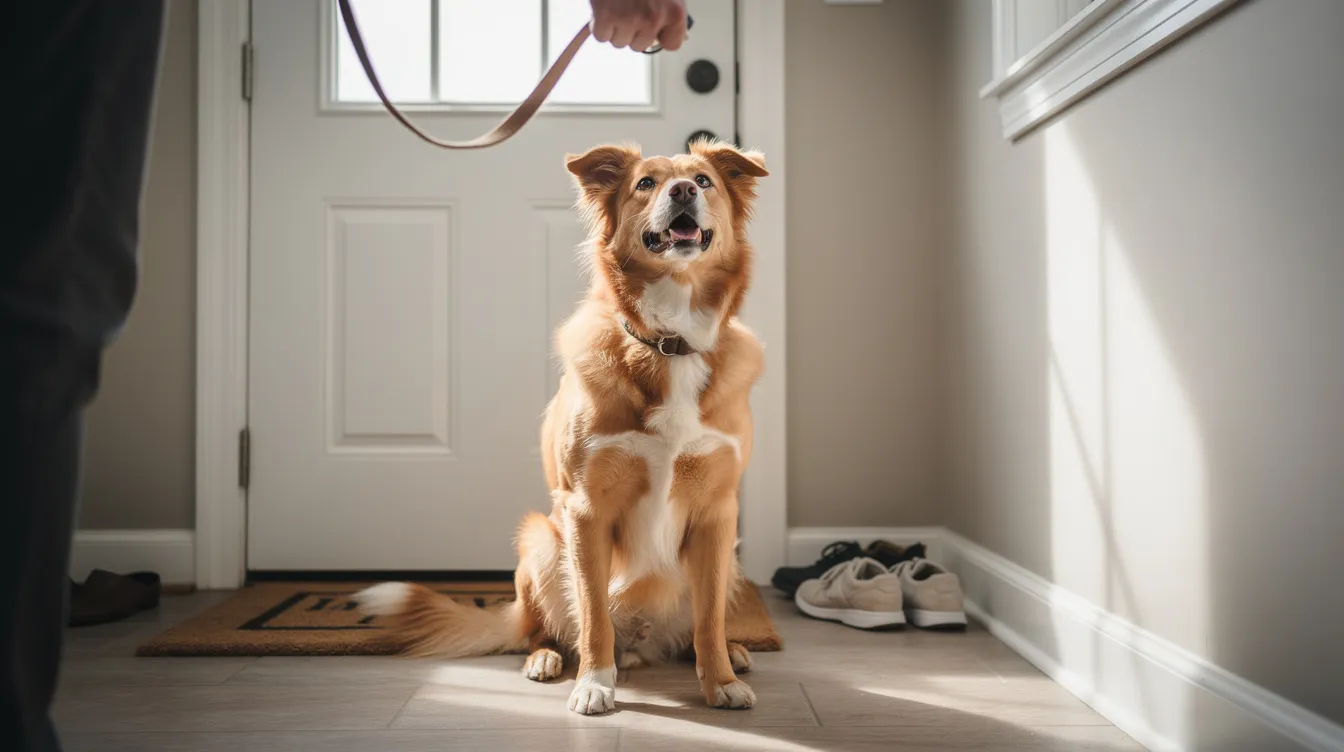
Watch your dog race to the door the moment you pick up the leash. Your dog also remembers if you pull on the leash or if they pull, and those experiences shape how much they look forward to walks. Notice how they hesitate at a corner where a firework scared them last New Year’s Eve.
Dogs build strong associations—between places and feelings, routines and outcomes, people and safety. They remember both the little joys (the treat jar sound) and the hurts (a harsh tone, a painful vet visit). Dogs also remember when you make a promise, like saying you'll take them for a walk or give them a treat, and keeping those promises builds trust and strengthens your bond.
This matters because the small, kind rituals you repeat—like a bedtime scratch behind the ears—become some of their favorite lifelong memories. Be patient if you’re helping them unlearn past fears. They haven’t forgotten, but they can learn to feel safe again.
3. “Clear, Consistent Rules Help Me Feel Safe”
Your dog is allowed on the couch on Sunday. On Monday, someone scolds them for it. From their perspective, this is confusing—not a fun game.
Dogs don’t understand “just this once.” They understand patterns. When rules change between family members or days, your pup isn’t being stubborn—they’re genuinely unsure what’s expected.
Try this:
-
Choose 3–4 core house rules (couch access, jumping, bed, feeding times)
-
Get the whole household to agree
-
Reward behavior you like instead of punishing mistakes
Calm consistency builds confidence, not fear.
4. “My Brain Needs Exercise Just as Much as My Legs”
Your dog gets a 30-minute walk every morning. By 8 p.m., they’re zooming around the house, chewing a slipper.
Sound familiar? Many dogs were bred for specific jobs—herding, hunting, guarding. Modern life rarely meets those mental needs.
Simple fixes:
-
Five-minute training sessions (teach new tricks, revisit old ones like sit or shake)
-
Scatter-feed kibble in the grass and let them explore
-
DIY scent games with a favorite toy
-
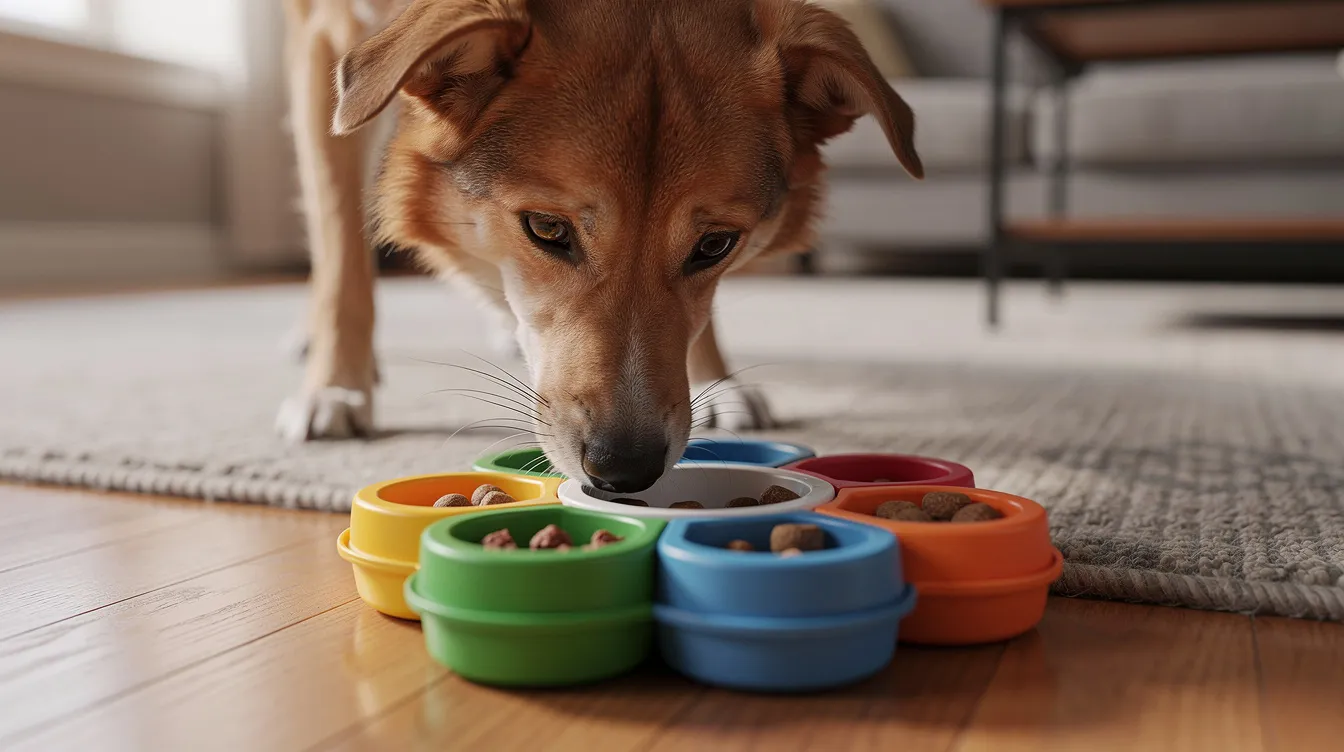
Rotate puzzle toys weekly
You don’t need expensive gear. A cardboard box, a tea towel, and some kibble can become a fun puzzle on a rainy night. Mental enrichment isn’t extra—it’s essential.
“Meeting New Friends Is Important to Me”
Imagine your dog’s ears perk up and their tail starts wagging the moment they spot a new friend—whether it’s another pup at the park, a neighbor on your walk, or even a curious cat peeking from behind the fence. For dogs, meeting new friends is more than just a fun game; it’s an essential part of their life and well-being.
Dogs are naturally social animals. They thrive on interactions with both humans and other animals, and these connections help shape their mood, behavior, and confidence. Every single day brings new opportunities for your dog to explore the world, and positive social experiences can turn an ordinary walk into an awesome adventure. When your dog gets to spend time with friends—canine or human—it helps reduce stress, keeps them calm, and supports a healthy, happy mindset.
Socialization isn’t just for puppies. Adult dogs also benefit from meeting new friends and learning how to navigate different situations. Whether it’s a walk with a new buddy, a playdate at the park, or a gentle introduction to a new pet in the house, these moments help your dog build confidence and learn how to act appropriately in a variety of settings. Teaching your dog new tricks or commands can also give them a sense of purpose and help them stay focused when meeting new friends.
It’s important to introduce your dog to new friends gradually and in a controlled environment. Every dog is unique—some may be excited and ready to play, while others might feel anxious or scared at first. Watch your dog’s body language: a relaxed posture, wagging tail, and curious sniffing are good signs, while tucked tails or pinned ears may mean your pup needs a little more time to feel comfortable. Use positive reinforcement—gentle words, treats, and praise—to encourage calm, friendly behavior.
Don’t forget, socialization isn’t just about other dogs. Meeting new people, children, and even cats can help your dog learn to stay calm and confident in different situations. If your dog is shy or nervous, take baby steps and celebrate small victories. A short, positive interaction is better than overwhelming your pup with too much, too soon.
As an owner, your role is to provide guidance, support, and a stable environment where your dog feels safe to explore and make new friends. Stay updated on the latest training techniques, and remember that mistakes are part of the learning process—for both you and your dog. Laugh, have fun, and enjoy watching your dog’s world expand with every new friend they meet.
At the end of the day, one thing your dog wishes you knew is how much these social moments matter. They’re not just about play—they’re about building confidence, reducing stress, and making life richer and more joyful. So next time you head out for a walk, paws and relax, and let your dog take the lead in exploring new friendships. You might just find that meeting new friends is as rewarding for you as it is for your pup.
5. “Being Alone Is Harder for Me Than You Think”
You see “I’ll just be gone a few hours.” Your dog experiences long, quiet stretches with no idea when you’ll return.
Many dogs struggle with unpredictable absences. Signs of stress—pacing, drooling, scratched doors—aren’t a behavior problem. They’re a dog who feels anxious and scared.
What can help:
-
Practice short departures first
-
Keep goodbyes and returns calm and low-key
-
Leave a worn T-shirt that smells like you
If signs are intense, talk to a trainer or vet. Seeking help is a sign of care, not failure.
6. “My Love Language Might Not Look Like Yours”
Some dogs lean their whole weight against you on the couch. Others prefer a good game of tug at 7 p.m. sharp. Both are affection—just in different forms.
Tight hugs and prolonged eye contact can actually make many dogs uncomfortable. Watch their body language: loose muscles, soft eyes, and leaning in mean they’re happy. Turning away, yawning, or pulling back? They’re saying “not like this.”
One thing to remember: love your dog in the way they experience as love, not just how you prefer to give it.
7. “Our Time Together Is Shorter Than You Think”
A dog’s life often spans 10–15 years. That random Tuesday evening is a bigger slice of their life than it feels for us.
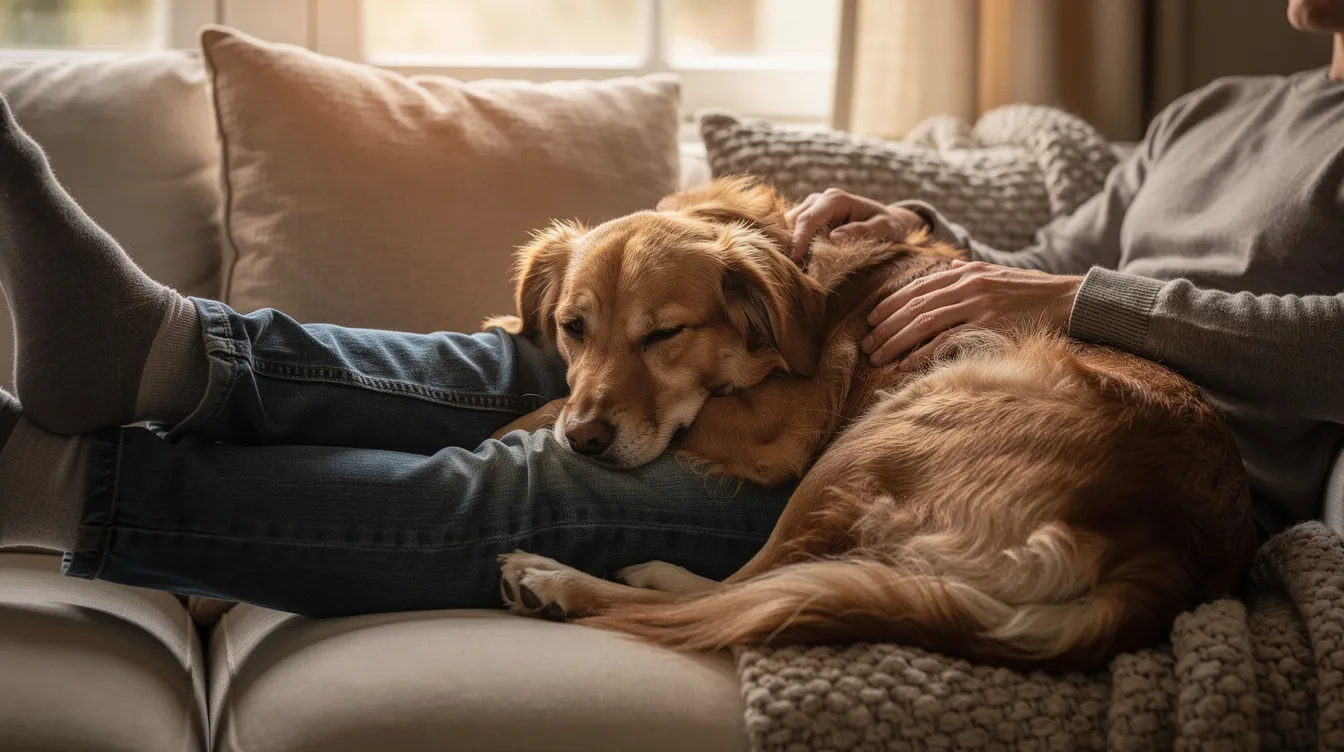
Dogs don’t measure relationships in big events. They measure them in everyday rituals: the morning walk, the way you talk to them, the night routine before bed.
Prioritize presence over perfection. A focused 10-minute fetch session without your phone can matter more than a whole busy, distracted day.
What moment from this week would your dog replay if they could? Have you noticed the small, meaningful moments that make up your dog's happiest memories?
“What I Eat Shapes How I Feel Every Day”
If your dog could talk, one thing they’d wish you knew is just how much their food shapes every single day. The right diet isn’t just about filling their bowl—it’s about fueling their mood, energy, and even their ability to learn new tricks or stay calm when life gets busy.
A balanced, nutritious diet is essential for your dog’s health and happiness. High-quality food helps keep their coat shiny, their paws healthy, and their mind sharp. When your dog eats well, you’ll notice more playful energy during a good game of fetch, a calmer mood during training, and a greater willingness to explore the world with you. On the flip side, the wrong foods can lead to digestive issues, allergies, or even anxious and unpredictable behavior.
Dogs wish you knew that what goes into their bowl can affect how they act, how they feel, and how they connect with you. Just like us, their mood affects their behavior—so a healthy diet can make it easier for them to focus, learn, and enjoy every moment by your side. If you notice your pup acting sad, anxious, or low on energy, it might be time to take a closer look at their food.
Exercise and diet go paw-in-paw. Regular walks, playtime, and fun training sessions help burn off energy and keep your dog’s body and mind in top shape. But don’t forget about rest—after hours of play, your dog needs a cozy bed or couch to recharge. Mental stimulation, like puzzle toys or teaching new tricks, is just as important as physical activity, and a well-fed dog is more eager to learn and engage.
Every dog is unique—what works for one might not work for another. Pay attention to your dog’s body language, appetite, and behavior. If you notice changes, don’t be afraid to try new foods or routines, but always introduce changes gradually. Positive reinforcement, patience, and a calm voice go a long way in helping your dog feel safe and confident.
Remember, your dog’s wishes you knew that a healthy diet, regular exercise, and lots of affection are the foundation of a happy life. Stay updated on the best ways to care for your pup, and don’t forget to laugh, explore, and enjoy every moment together. Awesome dogs deserve awesome owners—and with a little attention to what’s in their bowl, you can help your best friend thrive, every single day.
Bringing It All Together
Understanding these seven wishes is really about seeing life from your dog’s side of the leash. No one does this perfectly—what matters is steady effort, curiosity, and small, loving course corrections. Just as we have a responsibility to meet the needs of children for their well-being and happiness, advocating for your dog means ensuring their needs are understood and met for their overall happiness and development.
Tonight, notice one thing: a happy dance at the door, a sigh at bed. Wonder what unspoken wish might be hiding inside it.
When you’re ready to capture who your dog is in this season of life, photos and keepsakes can help you hold onto the things your dog wishes you knew—but can’t say out loud.
FAQ
How can I tell if my dog is stressed or just bored?
Stress signs include pacing, panting when it’s not hot, tucked tail, and pinned ears. Boredom looks more like mischief—stealing socks, barking for attention, restless wandering. Watch patterns over several days, and film short clips if you want to show a vet or trainer.
How much alone time is “too much” for most dogs?
Most adult dogs can handle about 4–6 hours with proper training. Puppies and seniors need shorter stretches. If your dog is routinely alone for 8–10 hours, consider dog walkers, day care, or help from friends or family.
What’s one simple change I can make this week?
Add a 5-minute sniff-focused walk where your dog sets the pace, or give undistracted cuddle time at the same hour each night. Pick one thing and stay consistent—tiny habits often matter more than grand gestures.
When should I seek professional help?
Sudden behavior changes (withdrawal, aggression, house soiling) warrant a vet visit first. Ongoing struggles with fear or separation issues are worth a consultation with a force-free trainer. Reaching out is never a mistake—it’s how we learn and grow alongside our pets.