


If you’ve ever noticed your dog pacing by the door at an odd hour or your cat demanding breakfast before the sun is fully up, you’re not alone. Even a one-hour shift in the clocks can throw off the rhythm of your pet’s day—and yours.
The good news? With a little patience and some gradual changes, most pets adjust just fine. Being mindful of certain times of day, such as mealtimes or walks, can be helpful in easing your pet's transition. Here’s what to know and how to help.
Key Takeaways
Daylight Saving Time in the U.S. changes on March 9, 2025 (spring ahead) and November 2, 2025 (fall back). Even that one hour shift can unsettle your dog’s schedule or your cat’s routine, especially if your dog's schedule is tightly linked to daily routines like feeding and walks.
-
Pets thrive on consistency, and any sudden changes to their daily schedule can cause stress and confusion.
-
Pets don’t read clocks—they follow natural light, hunger cues, and your daily routines, so suddenly changing their schedule can lead to confusion, whining, early wake-ups, or accidents.
-
Most dogs and cats adjust within about a week if you gradually adjust meals, walks, and bedtime by 5–15 minutes each day in the week leading up to the change.
-
Sensitive pets—seniors, puppies, kittens, or anxious animals—may need a longer adjustment period, extra comfort, and closer observation.
-
With consistency and patience, gradual changes in routine are always best for pets to help them adjust to time changes smoothly, the time change becomes just another small season of adjustment in your shared life together.
What Is Daylight Saving Time and When Does It Change?
Daylight saving time is the practice of moving clocks forward by one hour in spring (“spring forward”) and back by one hour in fall (“fall back”). In many regions, this happens twice a year to extend evening daylight during warmer months.
In 2025, clocks move forward on March 9 and fall back on November 2 for most U.S. readers. The fall change often feels harder for pets tied to strict feeding times, since breakfast suddenly arrives an hour “late” by their internal clock.
While humans see this as a calendar adjustment, pets only experience that suddenly their meals, walks, and your comings and goings happen at a different moment in their day. They don’t know the clocks change—they just know something feels off.
A few things to keep in mind:
-
Some regions (like Arizona and Hawaii) don’t observe DST, so check your local rules
-
This article assumes a typical U.S.-style DST schedule
-
The spring and fall transitions affect pets differently, which we’ll explore below
How Pets Tell Time: Understanding Their Internal Clock
Dogs and cats don’t glance at the clock on the wall. Instead, they live by something called a circadian rhythm—an internal clock shaped by light, food, and daily life with their humans.
This is why your pet seems to “know” when dinner should happen or when you’re about to come home. They’re tracking patterns, not hours.
Here’s what influences your pet’s internal clock:
-
Natural light: Sunrise and sunset tell pets when to be alert or sleepy. As daylight shifts, so do their energy levels.
-
Regular events: The sound of your alarm, kibble hitting the bowl, kids leaving for school—these become anchors in your pet’s day.
-
Social connection: Your presence, evening cuddles, and bedtime routines all signal where they are in the day’s rhythm.
Cats are naturally more active at dawn and dusk (crepuscular creatures, technically). So when DST shifts those hours, you might notice your cat expecting playtime or food at slightly different moments.
For pets who already lean on you emotionally—like anxious rescue animals or furry friends who’ve been through recent big changes—consistent routines are especially reassuring. Even small disruptions can feel significant.
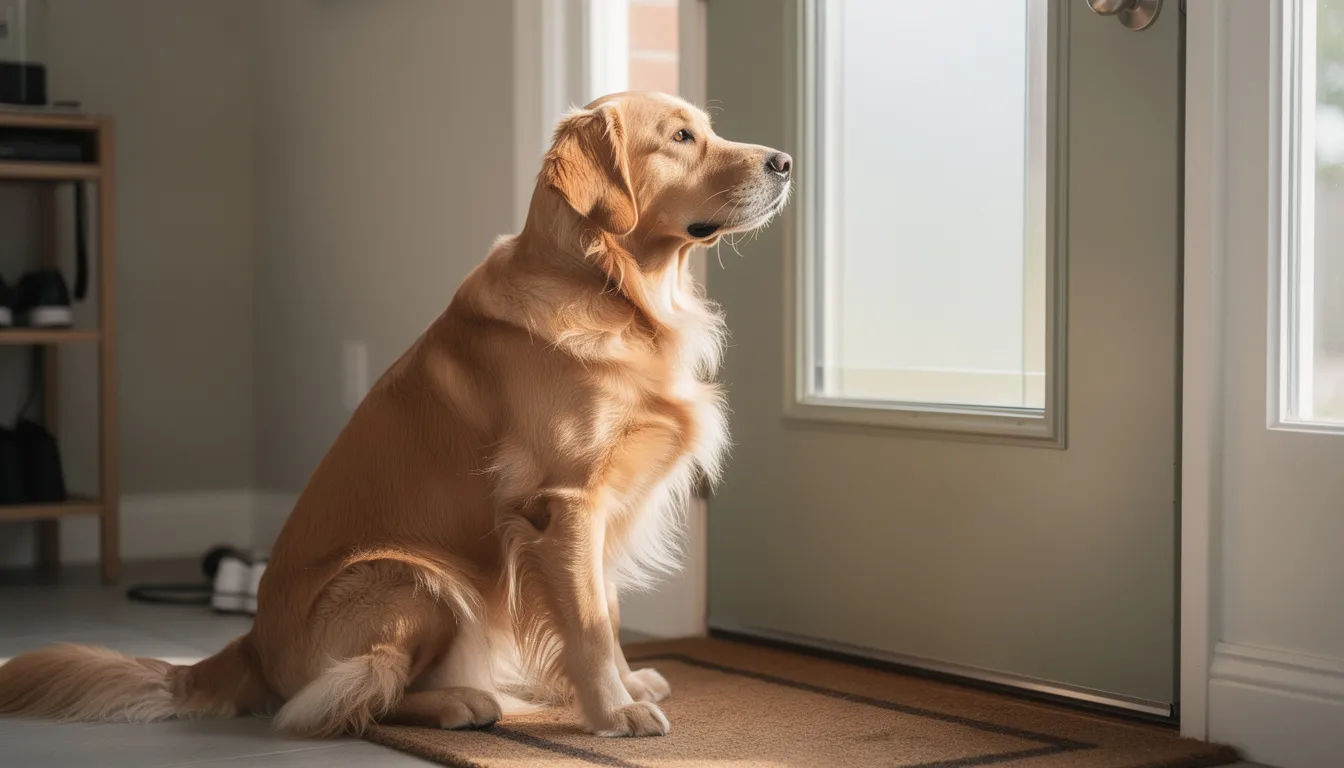
Picture this: your dog waits by the door every evening at the same time, ready for a walk. They’re not checking a watch. They’ve synced to the light outside, the sound of you putting on shoes, the whole pattern of the day. That’s how tuned-in they are.
How Daylight Saving Time Can Affect Your Pet’s Routine
Most pets won’t have a medical emergency from the time change. But you may notice a temporary “off” period—early wake-ups, begging for food at odd hours, or your pet seeming clingier or more restless than usual.
Here’s what to watch for:
Feeding Routines
The one-hour jump can make dogs and cats act “starving” earlier than usual. You might see pacing around the kitchen, staring at the food bowl, or more vocal demands.
Pets on strict feeding schedules—for weight management, diabetes, or medications—can be especially sensitive to sudden changes in feeding times.
Bathroom Breaks and Litter Box Habits
Dogs may whine at the door at the old time or have accidents if their bladder routine shifts too quickly. This isn’t disobedience; it’s biology.
Some cats may delay using the litter box or become more vocal at their previous “normal” bathroom time. You might notice signs of restlessness or confusion.
Walks, Play, and Activity
After the fall transition, darker evenings can shorten outdoor time. This may lead to pent-up energy, restlessness, or extra zoomies indoors.
When daylight is shorter, indoor play and mental stimulation matter more. A bored pet is often a stressed pet.
Sleep Patterns and Emotional Changes
Sleep disturbances are common in the first few days. Your pet may wake an hour “too early,” struggle to settle at night, or seem extra clingy.
Already-anxious pets, seniors, and very young animals often show these behavior changes more strongly. Disrupted sleep can affect their overall well being temporarily.
Preparing Your Pet Before the Time Change
The easiest way to protect your pet’s routine is to prepare in the week leading up to the clock change. Small, gradual changes beat one sudden shift every time.
Think of it like helping your pet ease into a new schedule rather than throwing them into it.
Adjusting Meal Times
Start moving breakfast and dinner by 5–15 minutes each day for 4–7 days before DST. By the time the clocks change, your pet is already close to the new schedule.
For puppies, kittens, and senior pets, go slower—5 extra minutes per day is plenty.
Example timeline: | Day | If usual feeding is 7:00 AM | |—–|—————————-| | Day 1 | Feed at 7:10 AM | | Day 2 | Feed at 7:20 AM | | Day 3 | Feed at 7:30 AM | | Day 4 | Feed at 7:45 AM | | DST Day | Feed at 8:00 AM (new time) |
Shifting Walks and Play
Move main walks and play sessions slightly closer to the future time each day. Use this as an opportunity to build in a little more mental enrichment—sniff walks, puzzle toys, or a new habit of hide-and-seek with treats.
Medication and Medical Routines
If your pet is on time-sensitive medications (insulin, seizure meds, heart medications), adjust their dose schedule gradually too. Talk with your veterinarian ahead of time, especially for critical meds.
A sudden one-hour shift in medication timing can have a significant impact for some conditions.

Helping Your Pet Adjust After the Clocks Change
Even with preparation, the first few days after DST may feel a bit wobbly for both humans and pets. That’s okay. Go slowly.
Feeding and Water
Stick closely to the new schedule once the clocks change. Resist the urge to completely give in to begging at the old time—consistency helps pets adjust faster.
If your pet seems genuinely distressed, offer a small low-calorie snack (a few kibbles or a cat-safe lick mat) as a bridge. Just don’t make it a daily habit.
Walks, Potty Breaks, and Play
Allow an extra bathroom break or two in the first few days to prevent accidents while their bladder schedule resets.
Add extra time for exercise or mental work—snuffle mats, training games, or a longer evening walk. This helps burn off nervous energy and supports your pet’s well being.
Sleep and Quiet Time
Keep bedtime rituals the same. Same words, same spot, same pre-bed cuddle. Even if the clock is different, the routine signals safety and familiarity.
For dogs affected by the darker mornings or evenings, a consistent wind-down routine matters more than the exact time on the clock.
Observation and Patience
Watch for signs like whining, pacing, clinginess, or hiding. Respond with calm, consistent reassurance rather than frustration.
Most healthy pets adjust within 3–7 days. Some may need up to two weeks to fully settle into the new pattern. Be patient—they’re doing their best.
Creating a Calm, Comforting Environment During the Transition
Environment matters. When light, sound, and comfort feel predictable, the time change itself feels less disruptive. Practical tips and products, such as calming music or cozy beds, can be helpful for supporting your pet's calmness and comfort during routine adjustments.
Light and Darkness
Open curtains to bring in morning light and use soft indoor lighting in the evening so the room feels consistent as the days shorten or lengthen.
For anxious dogs or cats, a small night light or leaving a hallway light on can make nighttime feel less startling after the transition period.
Comfort Zones
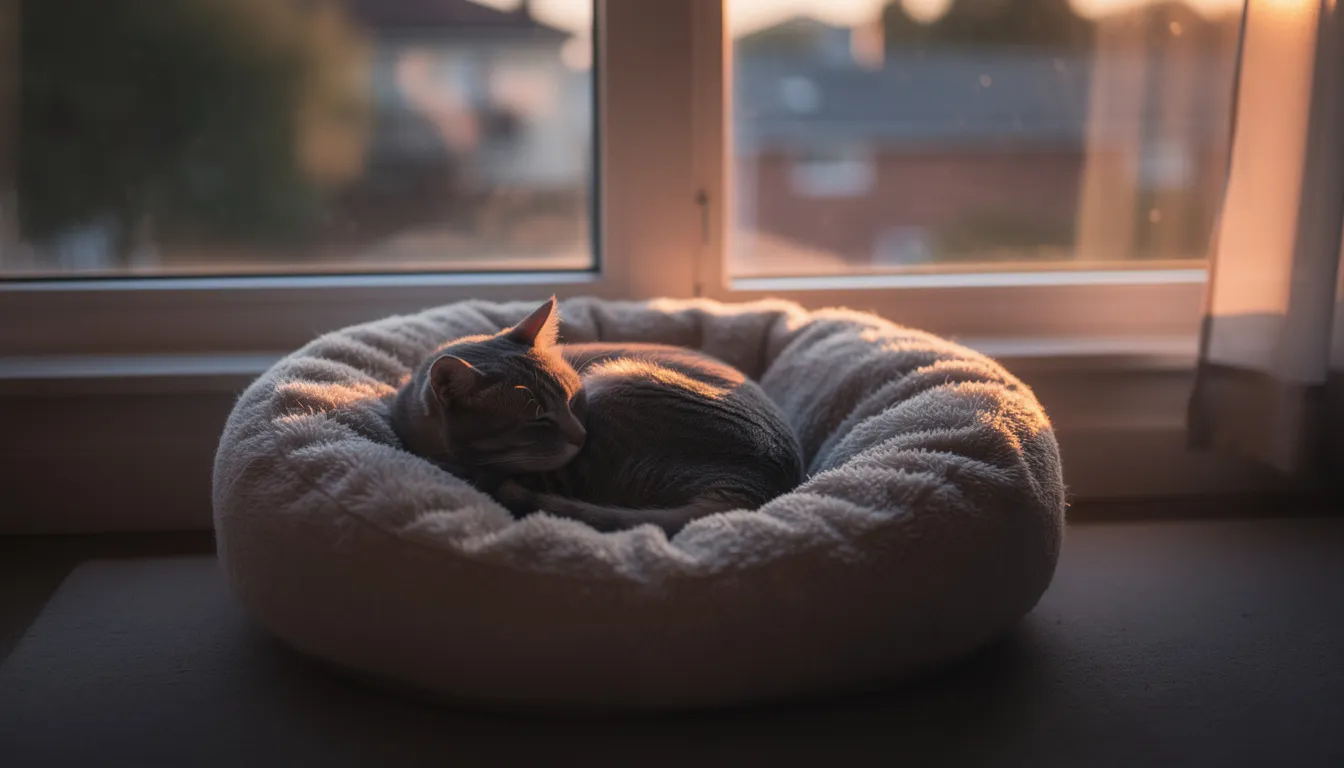
Make sure your pet has an extra cozy space that doesn’t change during this week—a well-padded dog bed, a familiar crate, or a cat perch they love. Stability in their sleep and rest spot helps.
Sound and Atmosphere
Soft music, white noise, or calming routines (like a short grooming session) at roughly the same point each evening can signal “winding down” time.
Emotional Connection
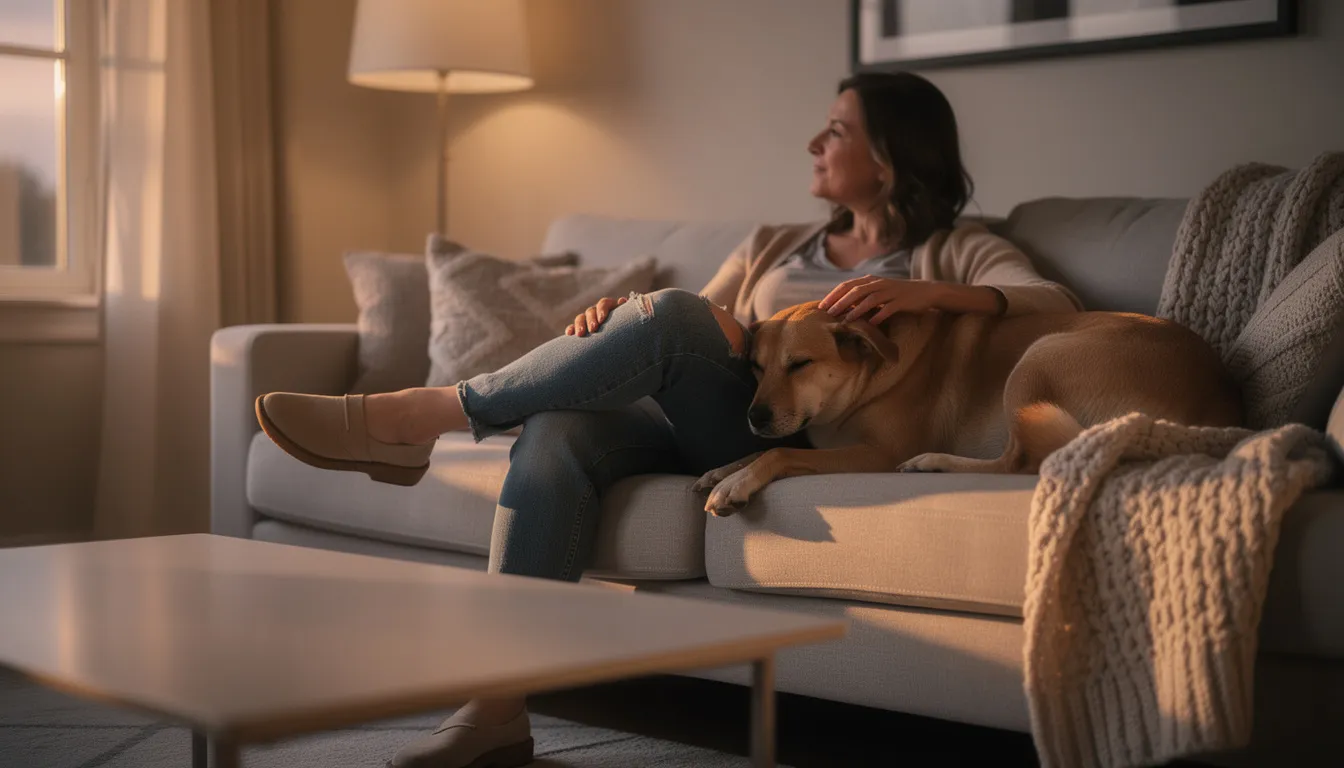
This is a good week for extra gentle engagement. Stroking, slow play, quiet talking—especially for pets who already lean on their humans for emotional safety.
Notice if your pet seeks more closeness during this week. Accept it as an opportunity to deepen the bond, not as a problem to fix.
Special Considerations for Different Types of Pets
Not all pets respond the same way to DST. Age, health, and personality all play a role.
To help your dog adjust to schedule changes like daylight saving time, make gradual adjustments, maintain their routine, and provide reassurance to minimize stress and support their well-being.
Senior Dogs and Cats
Older pets may be more set in their own schedule. They might have cognitive changes or need more frequent bathroom breaks, so sudden shifts feel more confusing.
Go slower with adjustments. Watch for nighttime restlessness or accidents. A little extra patience goes a long way.
The research backs this up: one study found that older dogs showed less activity adaptation after DST, suggesting they’re more vulnerable to schedule disruptions.
Puppies and Kittens
Very young animals are still forming their rhythms. DST can temporarily disrupt house-training, sleep, and feeding patterns.
Keep a very consistent new schedule, offer frequent potty breaks, and use brief positive training sessions to anchor their day.
Anxious or Sensitive Pets
Some pets startle easily or cling more whenever anything in the household feels “different.”
Keep other animals and changes (like moving furniture or changing sleeping spots) to a minimum around the time change. Don’t stack stress.
Pets with Medical Conditions
Pets on time-critical meds need careful schedule planning. Work with your vet to avoid sudden hour shifts.
A simple written timeline or phone reminders during the adjustment week can help you stay on track and sync everything smoothly.
When To Call Your Veterinarian or a Behavior Professional
Mild restlessness or schedule confusion is normal after saving time changes. But some signs mean it’s wise to get professional input.
Consider reaching out if you notice:
-
Persistent vomiting, diarrhea, refusal to eat, or major appetite changes lasting more than a day or two
-
New or worsening aggression, severe anxiety, or destructive behavior
-
Repeated bathroom accidents in a previously house-trained adult pet, especially paired with increased thirst or lethargy
-
A sleep-wake cycle that remains very disrupted for more than two weeks, particularly in seniors (this can sometimes hint at underlying issues like pain or cognitive decline)
If you’re concerned, take short notes on timing and behaviors for a few days. This gives your vet or a certified behavior professional a clear picture.
Asking for help is part of caring deeply for a pet, not a sign of failure. Professionals can often suggest small, manageable changes that make life easier for both pet and human.
The clocks will change. Your pet might wake you up an hour earlier or stare at their empty bowl with confusion for a few days.
But with gradual changes, a calm environment, and your steady presence, most pets adjust within a week. Seniors, puppies, and anxious animals may need extra time—and that’s perfectly okay.
Your pet doesn’t need perfection. They just need you to show up, stay patient, and keep their world feeling safe.
That’s something you’re already good at.
FAQ
How long does it usually take pets to adjust to Daylight Saving Time?
Most healthy adult dogs and cats adapt to the new schedule within about 3–7 days, especially if daily routines stay consistent and changes are made gradually.
Seniors, puppies, kittens, and anxious pets may need up to two weeks. Slow, steady routines matter more than being “perfect” on day one. Brief early wake-ups, extra begging, or mild restlessness during that window are usually normal, as long as your pet is otherwise acting healthy.
Is it okay to change my pet’s schedule by a full hour all at once?
While most pets will eventually cope with a sudden one-hour jump, many will have a harder few days—waking early, asking to go out at odd times, or seeming more anxious.
Gradual shifts of 5–15 minutes per day are a kinder option, particularly for pets with medical conditions or strong routine needs. If life circumstances force a sudden change, extra patience, comfort, and a temporary extra potty break can help ease the impact.
Does Daylight Saving Time affect indoor-only cats?
Even indoor-only cats notice changes because their routines still follow household rhythms—alarm clocks, meal times, light through the windows, and their human’s schedule.
Some indoor cats may become more vocal at the old breakfast time or start “zoomies” earlier or later than usual. Predictable feeding times, interactive play sessions, and stable sleeping spots help indoor cats adjust more smoothly.
Should I adjust my pet’s medication schedule for the time change?
For many medications, a gradual shift is best—moving the dose time by 5–15 minutes per day before or after DST, rather than one big jump.
Talk with your veterinarian ahead of the time change if your pet is on critical meds like insulin, seizure medications, or heart drugs. Phone alarms or written schedules during the adjustment week can help avoid missed or doubled doses.
Can the time change make my pet more anxious or clingy?
Yes, some pets do become more unsettled when their day feels “off.” They may shadow their human more, whine, meow loudly, or resist settling at night.
Respond with calm consistency: keep routines predictable, add a bit more gentle interaction, and avoid punishing stress-related behavior. If heightened anxiety lasts longer than a couple of weeks or disrupts daily life, it’s worth talking with a veterinarian or qualified behavior professional about additional support.