


Key Takeaways
-
A senior dog or cat often shows signs gradually. You might notice your dog needing help climbing stairs or your cat skipping the windowsill before you realize the aging process has begun.
-
Aging in dogs and other pets is often indicated by gradual physical and behavioral changes. Monitoring these changes is important for your pet’s well being.
-
“Senior” age varies by species and size. Large dogs are considered senior around 7 to 8 years, small dogs around 10 to 11, and most indoor cats around 11 to 12. Older dogs may experience more pronounced age-related changes and require special attention.
-
Monitoring your dog's health is crucial as they age. Regular health assessments and early detection of issues can help maintain your dog's health and overall wellness throughout their senior years.
-
Physical and mental signs of aging include graying fur, stiffness, weight changes, cloudy eyes, hearing loss, and behavior changes like confusion or increased sleep, including mobility issues such as stiffness or difficulty moving.
-
Regular checkups every 6 months for senior pets can catch health issues like kidney disease or dental problems early, often making them easily treatable.
-
Supporting an aging pet means adjusting their daily routine, diet, and home environment while also finding ways to hold onto this stage before it passes.
-
If you notice any sudden changes in your dog's behavior, such as increased aggression or withdrawal, consult your veterinarian promptly as these may indicate underlying health issues.
That First Moment You Notice Your Pet Is Slowing Down
It happens in a quiet moment. Maybe your 10 year old Labrador pauses halfway through your usual neighborhood walk. Or your 13 year old cat sits at the base of her favorite windowsill and just looks up, deciding the jump is not worth it today.
You scroll through old photos on your phone and notice how much whiter the muzzle has become. How the eyes are softer now. How the pup who once sprinted through the house moves a little more carefully. This is often when your dog starts to show signs of aging.
This is the moment many dogs and cats start showing signs of old age. And for many pet parents, there is a quiet fear underneath it. Not just that your pet is getting older, but that the small ordinary moments might fade from memory faster than you are ready for.
Common signs of an aging pet include reduced mobility, increased sleeping, graying fur, reduced senses, weight changes, and cognitive issues like confusion.
This article will help you spot when aging is beginning. It will show you what is normal, when to call the vet, and how to make the senior years comfortable and meaningful for both you and your pet.
When Is a Pet Considered “Senior” and Why It Varies
Senior is not just a number on a calendar. It depends on how fast different bodies age, which varies by species, breed, and size.
Here are general age ranges when pets are considered senior:
|
Pet Type |
Senior Age Range |
|---|---|
|
Giant breeds (Great Danes) |
6 to 7 years |
|
Large dogs (Labradors) |
7 to 8 years |
|
Medium sized dogs (Border Collies) |
9 to 10 years |
|
Small dogs (Dachshunds, Pomeranians) |
10 to 12 years |
|
Indoor cats |
11 to 12 years |
Larger dogs age faster than smaller ones due to metabolic differences. Mixed breeds follow similar patterns based on their size and build.
Your pet’s unique history matters too. Past illnesses or injuries might mean aging changes appear sooner. Do not wait for a specific “senior birthday.” Watch for the subtle signs that your individual pet is changing.
Preparing for Old Age: Setting Your Pet Up for Comfort and Health
Getting ready for your dog’s golden years is love in action.
Dogs don’t all age the same. Small ones become seniors somewhere between 7 and 10. Medium dogs around 7. Giant breeds? As early as 5 or 6. Those numbers used to feel so far away when they were puppies. When they had that boundless energy. When you thought they’d stay young forever.
But time moves quietly. Without asking.
Those regular vet visits become everything as your dog gets older. Everything. They catch the things you can’t see coming. Kidney disease. Dental problems. The way their joints start to protest. As dogs age, they become more susceptible to various medical issues, including arthritis, cataracts, hormonal issues, kidney disease, and cancers. The things that steal comfort. The things that steal happiness. You watch for the signs. The way they move differently. The way they eat differently. The way they just… are different. And you catch those changes before they become the bigger heartaches. Monitoring your dog's health through regular assessments and early detection of health issues is crucial for their well-being.
Because that’s what love does. It pays attention.
It’s not just about watching, though. It’s about the small adjustments. The softer bed. The different food. The gentler walks. Whether your dog is a tiny senior with years left to give or a gentle giant breed moving slower now, being ready means something. It means those golden years get to be golden. It means comfort. It means health. Supporting your pet's well being involves proactive care and regular checkups. It means more ordinary days together.
The ones that feel like they’ll last forever. Until they don’t.
Physical Signs Your Dog or Cat Is Getting Older
Physical changes are often the first clues, but they can be subtle at the start. Many dogs show signs between 7 and 10 years old that are easy to miss in daily life. These changes are part of aging in dogs and can affect older dogs in various ways.
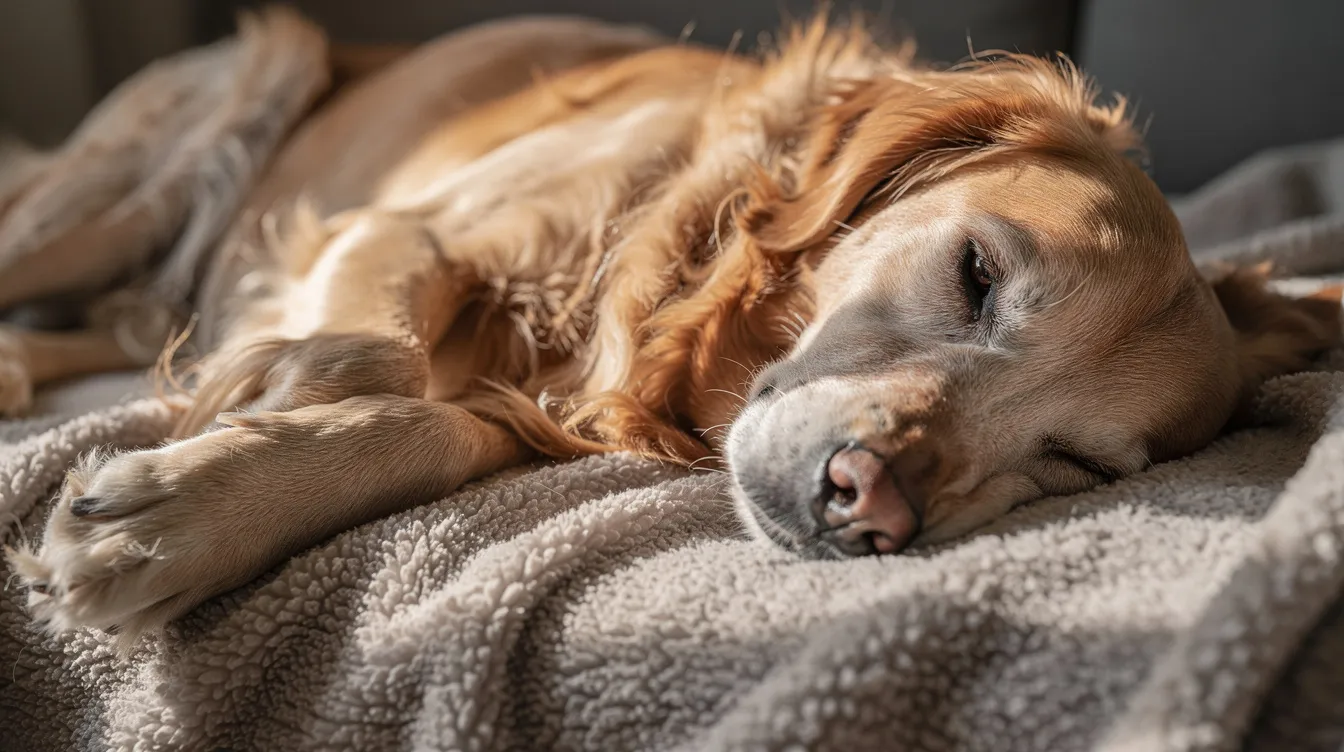
Visible and coat changes:
-
Graying or whitening fur around the muzzle and eyes
-
Thinning coat that feels drier or more brittle
-
Small benign lumps under the skin that appear with age
-
Common physical signs of aging in dogs include greying and thinning fur, reduced mobility, and changes in weight.
Mobility and movement shifts:
-
Mobility issues such as stiffness after rest, slower rising from the bed
-
Hesitation at stairs or reluctance to jump into the car
-
Shorter stride on walks, difficulty moving quickly
-
Arthritis or joint issues causing weakness in back legs
-
Common mobility issues in senior pets include stiffness, difficulty jumping, and slower movement.
Weight changes:
-
Senior dogs often gain weight due to reduced activity levels, which can lead to obesity and increase the risk of conditions like arthritis and diabetes.
-
Sudden weight loss despite normal eating habits (if more than 10% of body weight, call your vet)
Sensory changes:
-
Cloudy eyes, bumping into furniture, or misjudging distances (vision loss)
-
Not noticing when someone enters the room (hearing loss)
Bathroom changes:
-
Occasional accidents in a previously spotless house
-
More frequent urination or difficulty with control urination
-
Straining in the litter box
-
Aging can affect bodily functions, leading to issues like incontinence that require compassionate management.
Dental health signs:
-
Stronger mouth odor indicating gum disease or tooth decay
-
Buildup on teeth, bleeding gums, or dropping kibble during meals
-
Dental issues, such as periodontal disease, are particularly common in senior dogs, so regular dental check-ups and care are important to maintain oral health.
Keep notes with specific dates. Something like “started needing help with stairs March 2026” helps your veterinarian see patterns. Monitoring your dog’s health by keeping records and consulting your veterinarian about any changes is essential for maintaining your dog’s well-being as they age.
Mental and Behavior Changes to Watch For
Changes in mood and habits can be harder to notice than physical signs, but they matter just as much for your pet’s well being.
Normal aging behavior:
-
More naps during the day and deeper sleep at night
-
Lower enthusiasm for long games or walks
-
Preference for quieter corners of the house
Signs that may indicate pain:
-
Irritability when touched around hips or back
-
Snapping at familiar people who lean on them
-
Avoiding favorite activities that require jumping
Cognitive decline signs:
-
Getting “stuck” in corners or staring at walls
-
Seeming confused in familiar rooms
-
Forgetting house training at random times
Sunset confusion: Some elderly dogs and cats show behavioral changes in the evening. This includes pacing, restlessness, or increased vocalization once the house gets dark. It is similar to what humans with dementia experience.
Social changes: A once social dog who avoids other dogs at the park, or a cat who starts hiding from visitors, may be experiencing both physical discomfort and mental signs of aging.
Any sudden changes in personality that happen over days rather than months deserve a prompt call to your veterinarian.
What’s Normal Aging and What Needs a Vet Visit
Some slowdown is expected. But the line between normal and “needs help” is not always obvious.
Usually normal:
-
Gentle graying, a bit more rest, slightly slower walks
-
Needing extra warmth in winter or cool spaces in hot weather
Red flags requiring prompt vet attention:
-
Rapid weight loss over a few weeks
-
Sudden collapse, repeated vomiting, or hard coughing
-
Labored breathing, seizures, or refusal to eat for more than 24 hours
-
New lumps that grow quickly or change color
Subtle but important signs:
-
Getting lost in familiar rooms
-
Repeated accidents after years of reliable house training
-
Common signs of kidney disease or immune system weakens showing up
Senior wellness exams every 6 months after about age 8 for dogs and age 10 for cats can catch silent issues before symptoms appear. Bring a list of medications, a timeline of changes, and your questions. Blood work and regular checkups allow early intervention for health issues.
Pain Management: Helping Your Pet Stay Comfortable
Your dog is getting older.
You probably didn't notice it at first. The way they pause a little longer before jumping onto the couch. The way they take their time on walks now, stopping to catch their breath.
You tell yourself it's nothing. Just a slow morning.
But then there are more slow mornings. And the joints that used to carry them everywhere without a second thought start to ache. Their teeth hurt. Their gums are tender. The body they've lived in their whole life suddenly feels heavy.
That's the part nobody tells you about watching a dog age. The pain doesn't announce itself. It just quietly moves in. Sets up camp in their hips, their back, their mouth. Changes the way they move through the world.
When you see them limping. When they stop rushing to their food bowl. When their appetite disappears or their weight starts shifting in ways that worry you.
That's when you know.
It's time to have a different kind of conversation with your vet. Not about preventing something. About managing something that's already here.
A plan that's just for them. Maybe it's medication that takes the edge off. Maybe it's gentle therapy that helps their body remember how to move without wincing. Sometimes it's treatments that sound unusual—like tiny needles that somehow help the hurt find its way out.
These aren't magic fixes. They're small kindnesses. Ways to give their joints some relief. Ways to quiet the inflammation that's been shouting in their bones. Ways to help them remember that moving can still feel good.
The exercise still matters. But different now. Gentler. Built around what they can do, not what they used to do. And the weight on the scale matters too. Because extra pounds mean extra pressure on joints that are already working too hard.
Here's what I know about loving an aging dog.
You can't stop time. You can't make them young again. But you can make them comfortable. You can pay attention to the small changes before they become big ones. You can work with someone who understands that managing pain isn't giving up—it's giving more.
Your senior dog doesn't need to hurt to prove they're getting older. They just need you to notice. And when you do, to do something about it.
That's how they stay themselves a little longer.
How to Support an Aging Pet Day to Day
Once you notice your pet is aging, your role shifts. You become a gentle coach and comfort giver. Supporting your pet’s well being involves ongoing adjustments and attention to their changing needs. Maintaining your pet's well being includes monitoring for mobility issues and making adjustments to support their comfort and happiness. Small changes at home make a big difference in quality of life.
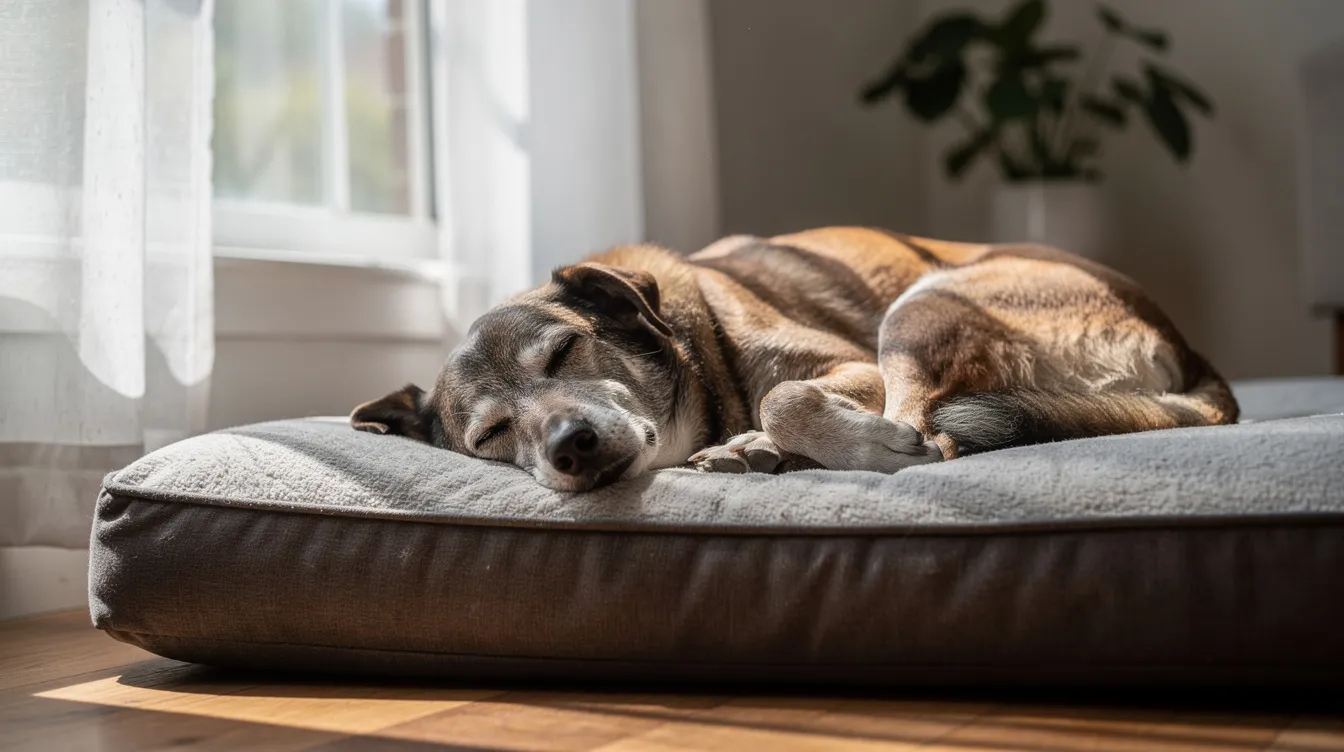
Activity adjustments:
-
Shorter but more frequent walks work better than one long hike
-
Gentle play sessions on soft flooring
-
Watch for heavy panting, limping, or refusal to move as signs to stop
Home modifications:
-
Add ramps or steps to couches and beds, and consider mobility aids such as ramps or steps to help senior pets access furniture and cars more easily
-
Place non slip rugs on tile or wood floors near stairs
-
Keep furniture placement consistent for pets with vision loss
-
Use shallow litter boxes for older cats
Nutrition:
-
Ask your vet about senior specific food—a senior-specific diet is often recommended to accommodate slower metabolisms and support joint health
-
Watch portion sizes as your exercise routine decreases
-
Monitor high calorie treats
Joint and comfort support:
-
Thicker orthopedic bedding supports aging joints
-
Night lights in hallways help pets navigate
-
Water bowls on multiple floors reduce walking distance
Mental enrichment:
-
Simple scent games around the living room
-
Short training refreshers with soft treats
-
Puzzle feeders adjusted for slower paws
Caring for a senior pet can feel tender and sometimes exhausting. It is okay to ask family or local pet sitters for help. Quality time together matters more than doing everything alone. Adaptations in an aging pet’s environment can significantly enhance their quality of life.
Emotional Support for Pet Owners: Caring for Yourself as Your Pet Ages
Caring for a senior pet is love.
But nobody tells you about the other part.
The slower walks. The cloudy eyes. The way they pause at stairs they used to bound up without thinking.
These aren't just signs of aging. They're reminders of everything you've built together. The routines. The memories. The life you've shared.
And that hits different than you expected.
It's normal to feel sad. To worry. To carry guilt you didn't ask for.
You might find yourself grieving changes that haven't even happened yet. The way they sleep a little longer. The way they look at you like they're trying to remember something.
That's what loving a pet through every stage looks like.
You don't have to carry this alone.
Talk to friends who get it. The ones who understand that bond. Join online communities where people share stories just like yours.
Sometimes just saying it out loud helps. "She's limping more." "He doesn't hear me call his name."
The load gets lighter when you share it.
Take breaks. Care for yourself too.
Walk outside. Sit with your tea. Breathe with your pet in the quiet moments.
If it feels too heavy, talk to someone who understands. A counselor. A therapist. Someone who knows that pet grief is real grief.
You're allowed to feel this deeply.
Noticing these changes means you love them. Really love them.
You're doing your best. Your care matters.
Both for your senior dog and for you.
Hospice Care: When Your Pet Needs Extra Support
That moment when you notice it's getting harder for them.
Your senior dog moves a little slower. Takes longer to get comfortable. Looks at you with those eyes that seem to say they're trying their best, but their best isn't what it used to be. That's when hospice care stops being something you read about and starts being something you need. It's not giving up. It's giving more. More comfort. More support. More of what they need to feel like themselves, even when themselves is changing.
You and your vet become a team. Sometimes there's a whole hospice crew. They help you figure out what your dog needs most. Maybe it's managing pain you didn't even know was there. Maybe it's help with eating or getting around. Maybe it's just someone who understands that grooming isn't about looking pretty anymore—it's about feeling cared for. Hospice care lives in the details. The small things that make home feel like home.
This isn't about the end.
It's about right now. About making sure every day still feels like love. About creating space for those moments when your dog looks at you and you both just know everything's okay. That's what hospice care really gives you. Time. Real time. The kind where being together is enough.
Holding Onto the Moments as Your Pet Grows Older
Photos pile up on your phone. Your pet is cute at every age. But it becomes harder to remember which year each moment belongs to.
The deeper worry many pet parents feel quietly: as your pet’s face whitens and movement slows, the details of who they were at every stage might fade faster than you are ready for.
Consider keeping a simple “senior year” journal. Take one photo in the same spot each month. Ask family members to write a few lines about their favorite current habit of your pet.
Spencer Conley started Print Our Pet in 2019 in Dallas because of his own dog Roux and the fear of losing the little details that made Roux feel like home. A real artist takes a single photo from your camera roll and turns it into gallery quality wall art or a custom blanket. Something that captures the exact tilt of an ear or the way a cat tucks its paws.
If you already have that one photo that feels like them, you may find it comforting to let an artist turn it into something that will still be on your wall long after this stage has passed.
You cannot slow time for your pet. But you can notice the signs, care well through their whole life, and choose a few small ways to make those golden years stick.
FAQ
At what exact age should I start senior checkups for my dog or cat?
Many veterinarians suggest senior wellness exams twice a year around age 7 to 8 for larger dogs, 9 to 10 for medium breeds and small dogs, and around 10 to 11 for most indoor cats. Ask your vet based on your pet’s breed and health history. Any new ongoing issue like coughing or limping is also a good time to schedule a visit.
Can I still adopt a new puppy or kitten if my current pet is a senior?
An energetic younger one can stress an aging dog with arthritis, hearing loss, or cognitive changes. Consider your senior pet’s comfort first. If you are thinking about a new companion, talk to your vet and consider quieter adult animals. Use gradual introductions and separate resting spaces.
How much exercise is safe for an aging dog or cat?
Most senior pets do better with shorter, more frequent activity rather than long sessions. Heavy panting that does not settle, limping, or refusal to move are signs to stop. The right amount varies by individual, so ask your veterinarian to tailor advice based on your pet’s body, joints, and overall health.
How can I tell if my senior pet is still enjoying life?
Create a “good day list” of three to five things that clearly mean joy for your pet. Eating with enthusiasm, greeting you at the door, enjoying a short walk, or purring when brushed. If most days still include several of those things, your pet is likely finding real pleasure in life. When the good days become rare, talk honestly with your vet about comfort care.