


Key Takeaways
-
Real pet love shows up in everyday actions—not shopping trips. Simple things like undivided attention, consistent routines, and gentle touch speak louder than any treat bag ever could.
-
Understanding your individual pet’s love language (whether they’re a cuddler, an adventurer, or a quiet-presence companion) matters more than following generic advice.
-
Routines create emotional security. Knowing when you’ll come home, when dinner happens, and what bedtime looks like helps your pet feel secure in a world they don’t fully control.
-
Health care and preventive care are acts of deep love—even when your pup squirms during nail trims or your cat side-eyes the carrier.
-
Prioritizing your dog's health by scheduling regular veterinary check-ups and providing a balanced diet is essential for their well-being and longevity. These acts show your love by supporting your pet’s health every day.
-
Making and preserving memories (photos, rituals, keepsakes) honors the finite time we share with our pets and strengthens the strong bond we already have.
Understanding Your Pet’s Love Language
Dogs and cats each show and receive affection differently—and even within the same species, preferences vary wildly. One dog might melt into belly rubs while another tolerates them politely. One cat might knead your lap for an hour; another shows love simply by sleeping in the same room.
Does your dog light up for daily walks but seem indifferent to cuddles? Does your cat show affection by following you from room to room instead of sitting on your lap?
At a high level, pets tend to fall into a few categories:
|
Love Language Type |
What They Prefer |
Examples |
|---|---|---|
|
Touch Pets |
Physical contact, cuddling, being close |
Lap cats, dogs who lean into you |
|
Activity Pets |
Movement, exploration, play |
Dogs who thrive on walks, cats who love chase games |
|
Quiet Presence Pets |
Just being nearby, parallel relaxation |
Cats who sit across the room watching you, dogs who settle at your feet |
The point isn’t to label your pet perfectly—it’s to notice what makes your furry friend light up, and adjust accordingly. Love is paying attention to those preferences instead of assuming all pets want the same thing.
We see this in customer stories all the time. People choose portraits that capture specific quirks—the ear tilt during a favorite song, the “zoomies” face, or the exact sleeping pose their cat assumes every night. Those details matter because they reflect how both you and your pet actually connect.
Be Fully Present: Quality Time Without Distractions
Pets notice when we’re half-present. They sense the difference between you scrolling your phone on the couch and you sitting on the floor, making eye contact, speaking softly to them.
Ten minutes of undivided attention can mean more than an hour of distracted time in the same room. Most dogs and cats aren’t asking for marathons of entertainment—they’re asking to be seen.
Here are some simple ways to carve out screen-free connection:
For dogs:
-
A no-phone “good morning” greeting—get down to their level, say their name, let them set the pace
-
A neighborhood stroll where your canine companion chooses when to stop and sniff
-
Evening floor time with a favorite toy or gentle tug of war
-
A nightly brush-and-talk ritual before a cozy bed
For cats:
-
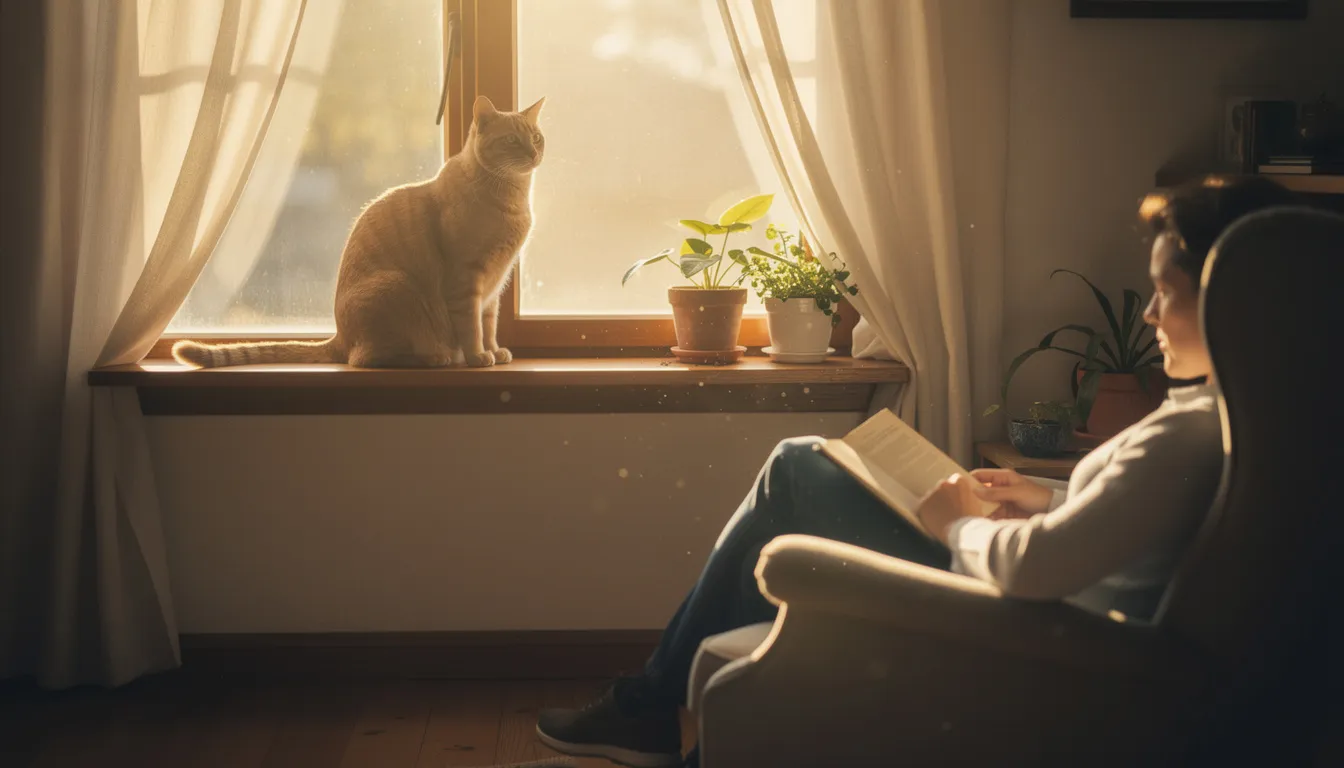
Quiet window watching together—sit beside them without reaching
-
A 10-minute feather wand session after dinner
-
Simply spending quality time on the couch, reading aloud while they curl nearby
Positive interactions, such as play and gentle training, not only strengthen your bond but also encourage good behavior in your pet.
Use your voice. Say their name. Narrate your day in a calm, affectionate tone instead of only giving commands. Dogs love hearing their people talk; cats often respond to soft, steady voices with slow blinks and relaxed body posture.
The goal isn’t to add another task to your list—it’s to be fully there for small pockets of time your busy life can actually accommodate.
Creating a Comfortable Environment
Creating a comfortable environment is one of the most wonderful ways to show your canine companion just how much you care. Dogs thrive when they have a warm, cozy space to call their own—a spot where they can relax, unwind, and feel secure. As a pet owner, providing a comfortable bed in a quiet corner, away from the hustle and bustle, gives your dog a retreat that supports their overall well-being.
Simply spending quality time with your dog in this inviting environment—whether you’re curled up together on the couch or playing with their favorite toy—strengthens your bond and reassures your dog that they are loved and valued. Dogs love having a predictable, safe space where they can rest after a day of play or snuggle up during quiet moments. By arranging your home to meet your dog’s physical and emotional needs, you’re not just offering comfort; you’re showing your dog you love them in a way they truly understand.
Remember, a comfortable environment isn’t just about the right bed or blanket—it’s about the feeling of safety and togetherness. Spending quality time in this space, sharing affection and attention, is a wonderful way to nurture your dog’s happiness and overall well being.
Building Safety and Trust Through Routine
Predictable routines tell your pet something words can’t: you’re safe with me.
For animals who don’t understand our calendars or clocks, knowing what comes next is profoundly comforting. It’s one of the deepest forms of love we can offer—this quiet promise that life has a rhythm they can count on.
Daily anchors that help pets thrive:
-
Roughly consistent mealtimes (even within a 30-minute window)
-
A 7:00 AM walk every weekday, or whatever time works for your schedule
-
Evening play sessions for indoor cats—a feather wand or crinkle ball at the same hour
-
A short decompression sniff-walk after work before anything else happens
Routines especially help anxious pets. Dogs who struggle with separation anxiety often calm down when they learn the pattern: you leave, you always come back. A consistent goodbye phrase (“Be right back, pup”) and a calm reunion ritual can work wonders over time.
Speaking of reunions—try keeping departures and arrivals low-key. No hyped-up exits or frantic greetings. A gentle hello and a moment to let your pet settle helps them feel steady rather than overwhelmed.
The daily routine isn’t boring. It’s the foundation that lets your pet relax into their life with you.
Respecting Boundaries and Body Language
Sometimes love means listening when your pet says “not right now”—even when you really want to cuddle.
Reading body language is an essential part of respecting your pet’s experience. They communicate constantly; we just need to pay attention.
Signs your dog needs space:
-
Turning their head away
-
Lip licking or yawning when you approach
-
Stiff body or “whale eye” (showing whites of eyes)
-
Moving to another spot when you sit down
Signs your cat needs a pause:
-
Twitching tail tip
-
Flattened ears or dilated pupils
-
Skin rippling along the back
-
Sudden grooming mid-pet
Instead of scooping up your pet, try offering a hand for sniffing first. Invite them onto the couch or bed rather than placing them there. Let them leave when they wish without taking it personally.
If you have kids or frequent guests, teach a simple “ask, watch, respect” rule:
-
Ask if the pet seems interested (are they approaching?)
-
Watch their facial expressions and body signals
-
Respect a “no” immediately
This isn’t about being distant—it’s about making every positive interaction count because your pet chose it too. That builds mutual respect and deepens trust over time.
Physical Affection That Fits Your Pet
Physical affection is a powerful love language for many pets, but how and where they like to be touched varies more than most humans realize.
Generally well-received spots for dogs:
-
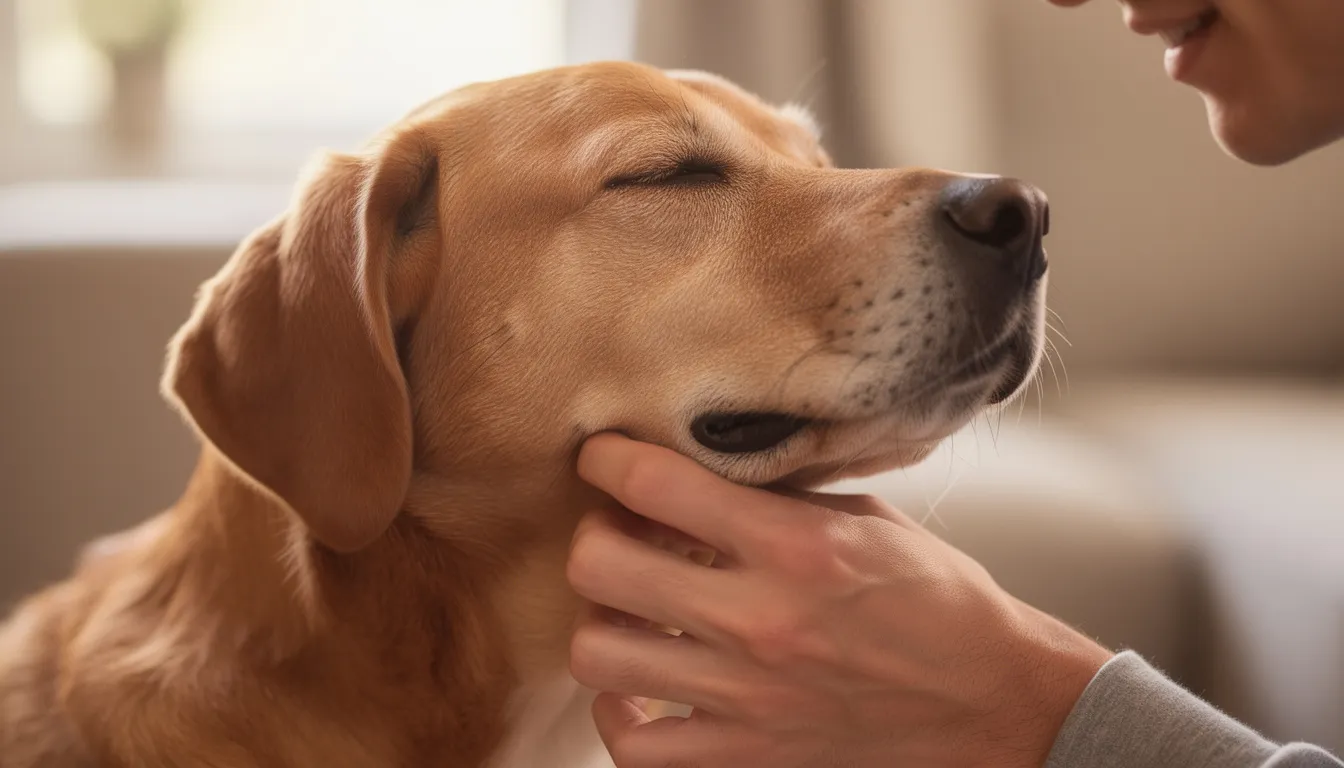
Under the chin
-
Chest and shoulders
-
Base of the neck
-
Slow strokes along the back
Generally well-received spots for cats:
-
Cheeks and jaw
-
Forehead between the ears
-
Base of the tail (for some cats—watch their reaction)
-
Under the chin
Keep petting sessions focused on slow, steady strokes. Watch for relaxed body language: soft eyes, loose posture, maybe a contented sigh. A gentle massage along the shoulders can melt tension; many dogs love belly rubs once they roll over on their own terms.
For pets who aren’t big on physical contact, alternatives work beautifully:
-
Sitting nearby without reaching
-
Lying on the floor parallel to them
-
Gentle talking in a low, warm voice
-
Just existing in the same warm space
Some of the most meaningful moments between pets and their people happen in stillness. Many Print Our Pet customers choose artwork that captures exactly this—a cat kneading a blanket, a dog’s sleepy face pressed against a pillow, the quiet intimacy of a shared couch.
Mental Enrichment and Shared Experiences (Without More Stuff)
Love isn’t about constantly buying new toys. It’s about making your pet’s days interesting, predictable, and engaging—using what you already have.
Mental stimulation matters as much as physical exercise for overall well being. A bored pet is often an anxious pet, and enrichment helps prevent boredom-related behaviors like chewing, scratching, or excessive meowing.
Non-shopping ideas for mental engagement:
|
Activity |
For Dogs |
For Cats |
|---|---|---|
|
Rotate existing toys |
Hide puzzle toys for a week, then reintroduce |
Keep only 2-3 toys out at a time, swap weekly |
|
DIY puzzles |
Scatter kibble in muffin tins covered with tennis balls |
Hide treats in crinkled paper inside a box |
|
Mealtime games |
Snuffle mats or slow feeders |
Food puzzles or scatter feeding |
|
New adventures |
Explore a new walking route on Sunday |
Create vertical climbing spaces or window perches |
Spend time on simple training sessions that use patience instead of products. Teach your dog a new trick like “touch” (nose to palm) or “spin” using praise and their regular kibble. Cats can learn “high five” or “sit” with gentle positive reinforcement—no fancy clicker needed, just your voice and consistency.
Notice what lights your individual pet up. Some dogs thrive on sniffing; let them lead a leisurely “sniff walk” where you follow their nose. Some cats love climbing; others prefer stalking. One of the most wonderful ways to show love is simply paying attention to what brings them joy—and weaving a little of that into most days.
Grooming and Hygiene as Acts of Care
Grooming and hygiene are more than just chores—they’re acts of love that contribute to your furry friend’s health and happiness. As a pet parent, making regular brushing, gentle baths, and nail trims part of your dog’s daily routine is a fantastic way to show affection and care. Most dogs enjoy the physical contact and attention that comes with grooming, and these moments can become special bonding times for both of you.
Using positive reinforcement during grooming—like offering praise, gentle words, or a favorite treat—helps your dog associate these activities with positive experiences. Regular brushing not only keeps your dog’s coat healthy and shiny, but also gives you a chance to check for any changes in their skin or overall health. These small acts of care add up, supporting your dog’s well being and showing them that their comfort matters to you.
By prioritizing grooming and hygiene, you’re not just keeping your dog clean—you’re reinforcing your commitment to their overall health and happiness. Every gentle brush stroke and soothing bath is a reminder to your pet that they are loved and cherished.
Rewarding Good Behavior with Positive Reinforcement
Rewarding good behavior with positive reinforcement is an essential part of building a strong, loving relationship with your dog. As a pet owner, using treats, praise, and affection to acknowledge your dog’s good behavior is a wonderful way to encourage positive habits and mutual respect. Instead of focusing on punishing mistakes, celebrate your dog’s successes—whether it’s sitting politely, coming when called, or waiting patiently at the door.
Positive reinforcement helps your dog understand what you want and makes learning new skills a fantastic way to spend time together. Offering a favorite treat, a cheerful “good dog!”, or a loving pat on the head lets your pet know they’re on the right track. This approach not only boosts your dog’s confidence but also strengthens the bond you share, making training sessions enjoyable for both of you.
By making positive reinforcement an essential part of your daily routine, you’re showing your dog that you value their efforts and are committed to their well being. It’s a wonderful way to build trust, encourage good behavior, and let your dog know just how much they mean to you.
Socialization with Other Pets and New Experiences
Socialization and new experiences are key to your dog’s mental stimulation and overall well-being. Dogs love meeting new friends, exploring new environments, and engaging with other dogs and people. As a pet parent, providing opportunities for your canine companion to interact with the world around them is an essential part of their development and happiness.
Daily walks, visits to the dog park, and introducing your dog to new toys or puzzle toys are all wonderful ways to prevent boredom and help your dog grow into a confident, well-adjusted pet. Socialization not only enriches your dog’s life but can also help reduce separation anxiety and foster a sense of security. Each new adventure—whether it’s a stroll through a different neighborhood or a playdate with new friends—offers valuable mental stimulation and strengthens the bond between you and your dog.
By making socialization and new experiences a regular part of your dog’s routine, you’re showing them that you care about their happiness and well being. It’s a wonderful way to help your dog thrive, ensuring they feel loved, supported, and ready for whatever life brings.
Caring for Their Health and Comfort
One of the most loving things we can do is quietly take care of our pet’s body—even when they don’t enjoy the process.
A balanced diet, clean fresh water, and preventive care aren’t glamorous, but they’re how we say “I want you here, healthy, for as long as possible.” Giving your pet healthy treats with minimal, pet-safe ingredients is another way to show them love without compromising their diet.
Routine health care as love:
-
Annual wellness exams with your veterinarian
-
Vaccines as recommended for your pet’s life stage
-
Dental care to prevent pain and infection
-
Monitoring weight and adjusting food as needed for overall health
-
High-quality pet treats should be included on every pet parent's shopping list
Regular veterinary check-ups are crucial for your dog's health and well-being, helping to ensure a long, happy life.
Home comfort basics:
-
Fresh water refreshed daily (some pets prefer running water)
-
A draft-free sleeping spot with a cozy bed
-
Litter boxes cleaned at least once daily for cats
-
Safe temperature in the home year-round
For grooming, go slow. Short, calm brushing sessions beat stressful marathon grooms. Regular brushing prevents mats and gives you time to check for lumps, bumps, or skin changes. Work up to nail trims gradually with lots of praise. A gentle bath when truly needed, not as routine torture.
These acts of care don’t feel exciting, but they add up to years of your pet’s health and comfort. Many pet parents commission portraits after big milestones—recovering from surgery, celebrating a senior pet’s birthday, or simply honoring all the quiet care they’ve given over the years.
Honoring Your Bond and Making Memories
Our time with pets is finite. That reality makes intentional memory-making one of the deepest forms of love we can practice.
You don’t need elaborate plans. Small rituals and simple documentation create a treasury of moments you’ll carry long after your pet is gone.
Simple ways to make and preserve memories:
-
Take a yearly “gotcha day” photo in the same spot
-
Create a phone folder for everyday moments—the way they sleep, their favorite spot, that ridiculous face they make
-
Write down one favorite story about your pet each month
-
Save a tag from a beloved new collar or a whisker you find on the carpet
Gentle rituals that become sacred:
-
A special bedtime phrase you always say
-
A weekly “adventure day” to new environments or a favorite park
-
Slow Sunday mornings where your pup is invited under the blanket or your cat claims your lap
Keepsakes—custom portraits, paw print art, a framed photo by the door—can be a wonderful way to say “you are family.” Not because you need to buy something, but because sometimes we want a physical reminder of a love that fills the whole house.
Try this: notice one thing each day you’re grateful for about your pet. It’s a private practice that subtly shifts how you see them, how you speak to them, how you spend time together.
The unconditional love they give deserves to be noticed. And remembered.

FAQ
How can I tell if my pet actually feels loved?
Signs differ between species and individuals, but many loved pets choose to be near their humans, relax their bodies in your presence, and recover quickly from small stressors when you’re around.
Look for a dog who settles at your feet after play, or a cat who offers slow blinks from across the room. A pet who seeks you out during a thunderstorm or unfamiliar situation is showing they feel secure with you.
If your pet consistently avoids contact, hides when you approach, or startles easily, it may signal fear or discomfort. A veterinarian or behavior professional can help identify the cause. But for most pets, small, consistent kindnesses over months and years matter more than any single “perfect” moment.
What if my schedule is busy—can I still show deep love to my pet?
Absolutely. Even with long workdays, short but predictable rituals carry enormous weight. A reliable morning routine, a calm reunion after work, and 10-15 minutes of focused attention daily can be enough for your pet to feel deeply loved.
Try stacking connection onto existing habits: talk to your pet while making coffee, do a quick training game during TV commercials, or invite them for a short walk before bed. Dogs thrive on consistency more than quantity.
If you need help—dog walkers, trusted family, puzzle feeders for mental stimulation—that’s part of caring, not failing. What matters is presence during the time you do have.
Are treats and toys bad ways to show love?
Not at all. Healthy treats and fun toys have their place. Problems arise when they replace emotional connection or lead to overfeeding and clutter.
Think of delicious treats as tools: use them for training sessions, enrichment puzzles, or the occasional celebration. Same with toys—rotate them to keep things fresh, and choose a favorite toy for special interactive play rather than leaving everything out constantly.
The key is pairing treats or toys with eye contact, praise, and shared experience. Homemade treats given during a training session are about relationship, not just consumption.
How do I show love to a newly adopted or shy pet who doesn’t want contact?
Start with predictability. Quiet routines, slow movements, and respecting whatever distance they choose builds trust faster than forcing closeness.
Try sitting on the floor sideways to them—read a book, work on your laptop, exist calmly without staring or reaching. Let them approach on their own timeline. Toss treats gently across the floor instead of hand-feeding at first. Avoid direct eye contact, which can feel threatening to fearful other dogs and cats.
Building trust takes weeks or months, and that’s okay. Working with a positive reinforcement trainer or behaviorist can be a loving investment in your pet’s future with you.
How can I include my pet in family life without overwhelming them?
Inclusion means offering options, not forcing interaction. Give your pet a consistent “safe spot”—a cozy bed, crate, or high perch—that no one disturbs when they retreat there.
Introduce new friends, new environments, and gatherings gradually. Watch for stress signals (yawning, lip licking, hiding) and end on a positive note before they’re overwhelmed.
Sometimes love means letting a pet skip the party and enjoy a warm space in a quiet room. Honoring their preference for calm over chaos is one of the most respectful things we can do as a pet owner.
Your pet doesn’t need more stuff to know they’re loved. They need you—your presence, your consistency, your gentle hands and familiar voice. The bond you share is already there, in every morning greeting and every evening settle onto the couch together.
If you ever want to capture that connection in something lasting, we’re here. But for now, tonight, just be with them. That’s the most fantastic way to say “I love you” in any language.