


Key Takeaways
Understanding what your pet is trying to tell you through their behavior can feel tricky — especially when stress, anxiety, and boredom can look surprisingly similar on the surface. Here’s what matters most:
-
Stress and anxiety in dogs and cats often look similar to boredom, so patterns over several days matter more than any single moment of unusual behavior.
-
Sudden, intense changes like shaking, hiding, or GI upset usually point to stress or anxiety, while slow, everyday mischief like chewing, zoomies, or pestering you often suggests boredom.
-
Dogs and cats show stress differently — stressed dogs tend to get clingy, vocal, or restless, while cats tend to hide, over-groom, or change their litter box and eating habits.
-
Simple, vet-friendly steps can help calm stressed pets, build confidence in anxious pets, and enrich bored pets — and knowing when to call your vet or a behavior professional makes all the difference.
Stress vs. Anxiety vs. Boredom: What’s the Difference?
If you’ve ever watched your dog pace the living room or noticed your cat hiding under the bed for hours, you’ve probably wondered what’s going on in their head. As pet owners who see our furry friends as genuine family members, we want to understand what they’re feeling — not just guess.
The good news? These three states, while related, have distinct characteristics that can help you figure out what’s happening.
Stress is a short-term response to something specific happening right now. Think of your dog trembling during a thunderstorm, or your cat flattening their ears when a visiting toddler gets too close during the holidays. Stressful situations such as thunderstorms, vet visits, or unfamiliar guests can trigger these immediate reactions in pets. The trigger is identifiable, and the reaction typically eases once the stressful situation passes.
Anxiety is ongoing worry or fear that lingers even when nothing obviously scary is happening. This might look like a dog panicking every time you reach for your keys — well before you’ve actually left — or a cat staying anxious for weeks after a house move. It’s anticipation and dread, not just reaction.
Boredom is a lack of mental stimulation or physical activity in otherwise healthy dogs and cats. A two-year-old Labrador home alone during workdays, or an indoor cat with no climbing or hunting games, might develop destructive habits not from fear, but from having nothing meaningful to do.
A simple way to think about it:
-
Stress = reaction happening now
-
Anxiety = pattern over time
-
Boredom = not enough to do
One gentle reminder: your pet can feel more than one of these at the same time. And none of it is “their fault” or “your fault.” Behavior is communication, and you’re already doing the right thing by trying to understand it.
Environmental Influences on Pet Behavior
The environment your pet lives in has a powerful impact on their emotional well-being and daily behavior. Just like people, pets are sensitive to the sights, sounds, and routines that make up their home life. A cluttered or noisy household can raise stress levels and even trigger separation anxiety in dogs, leading to destructive behavior or excessive barking when left alone. On the flip side, a calm, organized space can help reduce stress and support your pet’s sense of security.
Small changes in your home environment—like reducing loud noises, keeping things tidy, and providing cozy resting spots—can make a big difference in how your pet feels. When your pet’s surroundings are peaceful and predictable, it’s easier for them to relax, cope with daily stress, and avoid developing anxiety in dogs or cats. Remember, your pet’s emotional well being is closely tied to their environment, so creating a supportive home is one of the best ways to reduce stress and help your furry friend thrive.
How Your Home and Routine Affect Your Pet’s Mood
Your daily routine and the way you set up your home can have a huge influence on your pet’s mood and behavior. Pets feel safest when they know what to expect, so sticking to a consistent routine—regular feeding times, play sessions, and sleep schedules—can help reduce anxiety and stress. This predictability reassures your pet and helps them feel more in control of their world.
Creating a safe space is just as important. Designate a quiet, comfortable area in your home where your pet can retreat whenever they’re feeling overwhelmed. This could be a cozy bed in a low-traffic room, or a crate with soft blankets and favorite toys. Enrichment toys, like puzzle toys and treat dispensing toys, are fantastic for keeping your pet mentally stimulated and engaged, especially during times when you’re busy or away. These simple steps can make all the difference in reducing anxiety and stress, helping your pet feel secure and content as part of your daily routine.
How Stress and Anxiety Show Up in Dogs
Many dogs wear their hearts on their sleeves — or more accurately, in their body posture, vocalizations, and daily routine shifts. Recognizing when your dog is stressed or experiencing anxiety starts with knowing what to look for. Here are some common signs to watch for:
Obvious signs to watch for:
-
Trembling or shaking (not from cold)
-
Tucked tail and ears pinned back
-
Pacing back and forth without settling
-
Panting when it’s not hot
-
Excessive barking or whining more than usual
Subtle signs that are easy to miss:
-
Lip licking when there’s no food around
-
Dogs yawn when they’re not actually sleepy — a common displacement behavior
-
Turning the head away or avoiding eye contact
-
“Freezing” in place during interactions
-
Suddenly refusing treats they normally love
-
Dogs may also blink rapidly or show quick eye movements, which can indicate anxiety or fear.
Physical symptoms that may appear:
-
Loose stools or diarrhea after scary events
-
Sudden shedding during a vet visit (stress releases coat)
-
Changes in appetite — eating less or more frantically
-
Breaking house-training despite being reliable for years
Clinginess patterns:
-
Dog glued to your side, following you room to room
-
Unable to settle when you move around the house
-
Especially noticeable around predictable triggers like thunderstorms or garbage-truck mornings
Recognizing the signs your dog is experiencing stress or anxiety early can help you intervene before issues escalate.
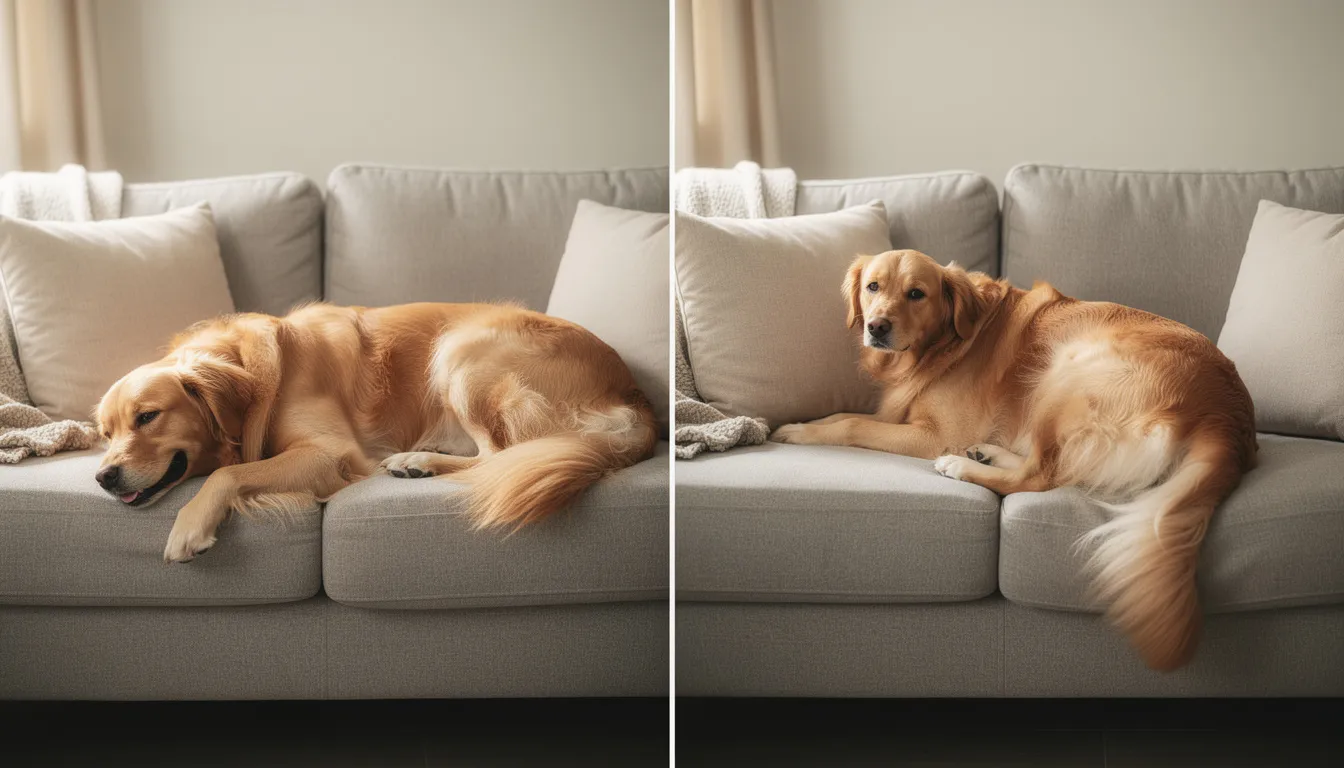
If your dog starts shaking every time there’s a thunderstorm, or hides whenever loud noises like fireworks start, that’s likely stress or anxiety — not boredom.
When It’s Probably Separation Anxiety (Not Just Stress)
The difference between stress and chronic anxiety often comes down to patterns and anticipation. Anxious dogs don’t just react to the scary thing — they start worrying before it even happens.
Pre-event reactions are a major red flag:
-
Pacing, drooling, or whining as soon as you pick up your car keys
-
Getting agitated when you put on your work shoes, even before you head to the door
-
Refusing to eat breakfast on weekdays (but fine on weekends when you stay home)
Separation anxiety has specific markers:
-
Destructive behavior focused on doors, windows, or exit points
-
Howling or barking only when home alone
-
Frantic, almost desperate greetings when you return
-
Inappropriate elimination indoors despite being fully house-trained
Chronic tension shows up as:
-
Your dog rarely fully relaxes, even in safe, familiar settings
-
Startling at small noises that used to be ignored
-
Seeming “on edge” for weeks, even when the daily routine is stable
If these signs show up several days a week for a month or more, it’s worth talking with your vet or a veterinary behaviorist. Untreated anxiety tends to worsen over time, not improve on its own.
How Stress and Anxiety Show Up in Cats
Cats are masters at hiding discomfort. While stressed dogs often get louder and more obvious, cats tend to withdraw and suffer in silence. This means small changes can signal big feelings.
Common stress and anxiety signs in cats:
-
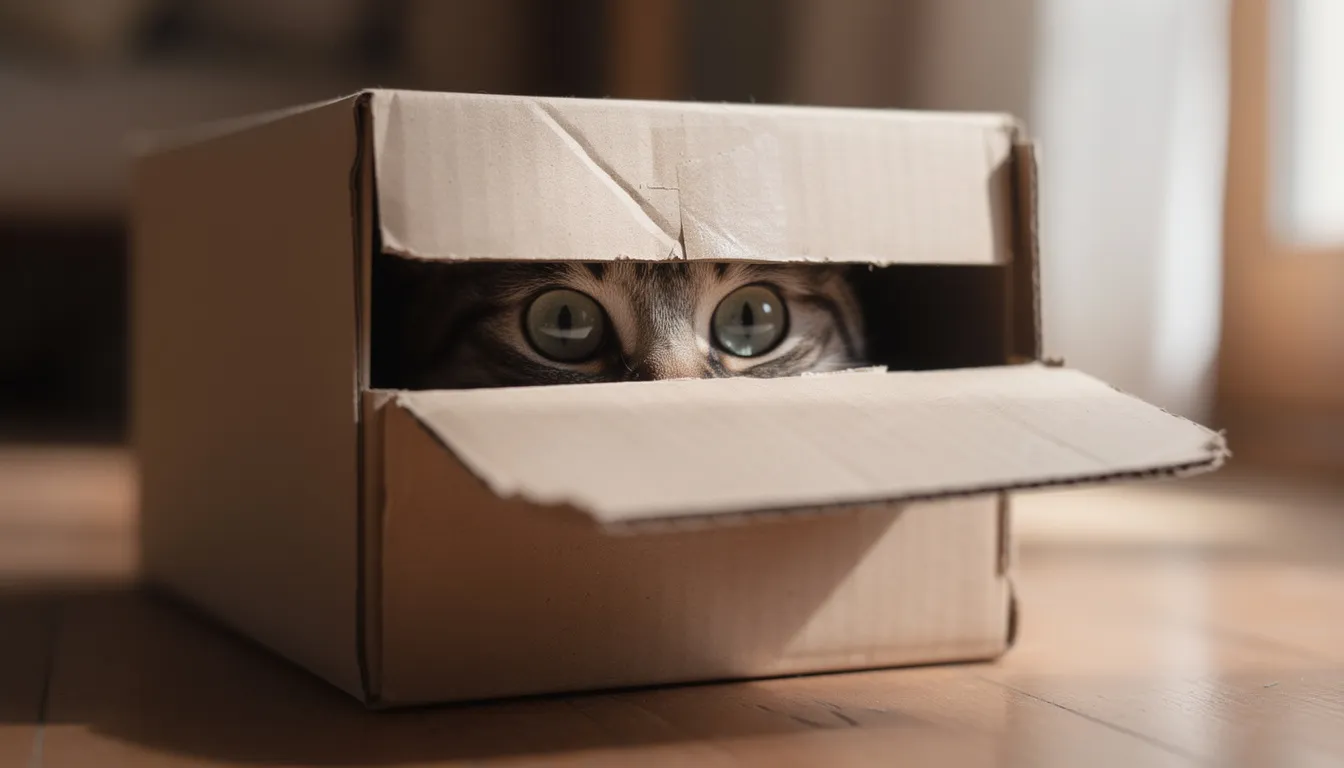
Hiding more than usual — staying under the bed for hours when guests visit
-
Fluffed tail, crouched posture, or ears flattened back
-
Hissing and swatting when approached (especially if this is new behavior)
-
Increased facial rubbing on furniture, door frames, or people
Litter box changes are significant:
-
Peeing or pooping outside the litter box after a move, a new baby, or addition of other pets
-
Avoiding the box entirely or using it only at night when the house is quiet
-
Important note: medical issues like UTIs cause similar symptoms, so always rule out health issues first
Over-grooming is a major anxiety indicator:
-
Bald patches on the belly, inner thighs, or legs
-
Repeatedly licking the same area until the fur is gone
-
Barbershop-smooth fur along inner thighs (this isn’t normal shedding)
Appetite and social changes:
-
Skipping meals or eating only overnight when the house is quiet
-
Becoming unusually clingy or, conversely, unusually distant from favorite humans
-
A normally social cat suddenly avoiding eye contact or interaction
Any sudden change in a cat — especially in middle-aged and senior cats — is worth a call to your vet. Cats are subtle creatures, and what looks like “moodiness” may be feeling stressed or unwell.
Subtle Feline Stress Cues to Watch For
These quieter signals are easy to miss but tell an important story:
-
Hypervigilance: Wide eyes with large pupils, constantly scanning the room, jumping at everyday sounds like the fridge door or TV
-
Increased marking behavior: More facial rubbing than usual, especially after stressful events like visiting dogs or holiday guests
-
Mild GI upset: Vomiting after a chaotic weekend, or temporary diarrhea after a boarding stay (call your vet if it persists beyond 24-48 hours)
-
New hiding spots: A cat suddenly sleeping in a completely different hidden location for days — like the back of a closet — can be a red flag when it’s out of character
Recognizing When Your Pet Is “Just” Bored
Boredom looks different from anxiety, even when both lead to similar behaviors like chewing or vocalizing. The key difference? Bored pets aren’t afraid — they’re understimulated.
Dog boredom typically shows up as:
-
Destructive behavior when well-rested (chewing furniture, digging holes)
-
Demand-barking to get your attention
-
Zoomies at 10 p.m. when they should be winding down
-
Stealing socks, shoes, or random objects for attention
-
Pestering you constantly while you work from home
Cat boredom often looks like:
-
Swatting at your hands while you type
-
Batting objects off shelves (yes, sometimes this is pure entertainment-seeking)
-
Excessive meowing when you walk past without engaging
-
Sleeping significantly more than their usual 12-16 hours
Here’s a helpful distinction: bored pets usually perk up quickly when given a walk, game, or new toy. Anxious dogs and cats may stay restless, refuse treats, or avoid interaction even when you offer attention.
A simple “quick check” for boredom: Try adding 20-30 minutes of focused play or walks daily for 7-10 days. If the problematic behavior improves noticeably, boredom was likely a big part of the issue.
Clues from Context and Timing
How, when, and where behaviors happen tells you a lot about their root causes.
Boredom behaviors tend to appear:
-
At predictable low-activity times (after work when you’re on your phone, rainy weekends when walks are shorter)
-
When pets have excess energy with no outlet
-
In patterns tied to your schedule, not to specific scary events
Anxiety behaviors are different:
-
Tied to specific triggers: doorbell, strangers, thunderstorms, being left alone
-
Appear as soon as routines change, even small ones
-
Often include physical symptoms like trembling, dilated pupils, or GI upset
A simple 7-day log can help: jot down the time, the behavior, and what was happening right before. You don’t need fancy tools — your phone’s notes app works perfectly.
Noticing these patterns is an act of love, not overthinking.
The Importance of Socialization
Socialization is a cornerstone of your pet’s emotional and behavioral health. It’s not just about meeting other dogs or people—it’s about helping your pet feel comfortable and confident in a variety of situations. Well-socialized pets are less likely to develop stress-related issues, and they’re better equipped to handle new experiences without fear.
Introducing your pet to different environments, people, and other dogs in a positive way can help prevent stress and anxiety down the road. Socialization teaches your pet that the world is a safe place, reducing the risk of behavioral problems and making everyday life more enjoyable for both of you.
Why Early and Ongoing Socialization Matters
The early weeks of a puppy’s life—especially between 8 and 11 weeks—are a critical window for socialization. During this time, gentle exposure to new sights, sounds, people, and other dogs helps build a foundation of confidence and resilience. But socialization shouldn’t stop after puppyhood. Ongoing socialization throughout your pet’s life is key to preventing severe anxiety, compulsive behaviors, and the buildup of excess energy that can lead to stress.
Regular, positive interactions with other dogs, new people, and different environments keep your pet’s mind and body active, helping to manage stress levels and reduce the risk of fear-based behaviors. Early socialization sets the stage, but lifelong experiences are what keep your pet adaptable and emotionally healthy.
What to Do If Your Pet Is Stressed or Anxious
First, take a breath. You’re not alone in this, and small changes can make all the difference for both you and your pet.
Step one: Rule out medical issues If you’re seeing sudden or severe changes — house-soiling, weight loss, nonstop vocalizing, or self-injury from grooming — schedule a vet visit. Physical symptoms often overlap with behavioral issues, and only your vet can help separate them.
Create a safe space at home:
-
A predictable, quiet area with comfy bedding, water, and favorite items
-
Somewhere children or visitors don’t intrude
-
This gives your pet a place to self soothe when feeling anxious
Build consistent routine around three anchors:
-
Meals at predictable times
-
Exercise and play sessions
-
Consistent sleep schedule
This matters especially during life changes — moves, a new family member, job schedule shifts.
Know when to seek professional help: Some pets need support beyond what we can provide at home. Anti anxiety medications prescribed by a veterinarian or veterinary behaviorist can be genuinely life-changing for pets with severe anxiety. This is no different from people getting support for anxiety — it’s care, not failure.
Calming Strategies for Stressed Dogs
These are practical steps any dog owner can try at home:
Use distance from stressors:
-
Move your dog to a quieter room away from noisy windows, parties, or fireworks
-
Don’t force them to “face” what scares them — this often makes things worse
Try calming activities:
-
Slow, sniff-heavy walks (let them explore at their own pace)
-
Scatter-feeding kibble in the grass for natural foraging
-
Licking mats or Kongs to engage and calm
-
Gentle massage along shoulders and chest
Build relaxation skills on calm days:
-
Teach a “settle” on a mat with positive reinforcement
-
Reward calm breathing and relaxed body posture
-
Short training sessions build confidence over time — consider basic obedience training as foundation
Explore sensory aids:
-
White noise machines during storms
-
Vet-approved calming pheromones (like Adaptil diffusers)
-
Snug, comfortable pressure wraps for some dogs
These aren’t magic fixes, but options worth exploring. Every dog responds differently, so note what seems to reduce stress in your particular pup.

Calming Strategies for Stressed Cats
For cats, choice and control are everything. Feeling trapped or cornered intensifies stress significantly.
Offer vertical space and escape routes:
-
Cat trees, sturdy shelves, or window perches
-
Multiple ways to exit any room so cats don’t feel cornered
-
Height gives cats security and observation points
Create quiet hideouts:
-
Covered beds, cardboard boxes with soft towels
-
A “do not disturb” room during busy gatherings
-
Include food, water, and a litter box in this space
Engage with gentle, hunting-style play:
-
Wand toys, chase-and-pounce games, food puzzles
-
Only when your cat is willing to interact — never drag them out of hiding
-
Interactive toys that mimic prey movement work well
Environmental modifications for multi-cat homes:
-
Multiple litter boxes (general rule: one per cat plus one extra)
-
Separate feeding areas to reduce competition
-
Feline pheromone diffusers (like Feliway) can reduce tension
Creating a Safe Space
Every pet needs a safe space—a spot where they can retreat when they’re feeling stressed or overwhelmed. This area should be quiet, comfortable, and free from disturbances, giving your pet a sense of security when the world feels a bit too much. Whether it’s a cozy bed in a quiet room, a crate with the door open, or a tucked-away corner with their favorite blanket, a safe space helps your pet self-soothe and recharge.
Simple Ways to Reduce Stress Triggers at Home
Reducing stress triggers at home doesn’t have to be complicated. Here are some simple strategies to help your pet feel safe and supported:
-
Set up a quiet, comfortable area where your pet can rest undisturbed—a true safe space for when they’re feeling stressed.
-
Use calming aids like pheromone diffusers or soothing music to help lower stress levels, especially during noisy or busy times.
-
Minimize loud noises and other stressful stimuli, such as excessive barking or meowing, by closing windows or using white noise machines.
-
Stick to a consistent routine with regular feeding times, play sessions, and bedtime to give your pet a sense of predictability.
-
Offer plenty of mental stimulation and enrichment activities, like puzzle toys and obedience training, to keep your pet’s mind engaged and reduce anxiety.
-
For pets with severe anxiety, talk to your veterinarian or a veterinary behaviorist about anti anxiety medications or supplements that can help manage stress.
By making these adjustments, you can reduce stress triggers and create a safe, nurturing environment that supports your pet’s overall well being. Remember, every pet is unique—what works for one may not work for another. Be patient, observe your pet’s responses, and work together to find the best ways to reduce stress and promote a happy, healthy life.
What to Do If Your Pet Is Bored
Here’s where things get fun. Enrichment isn’t just about fixing problems — it’s about deepening your bond with your pet.
Think about natural instincts:
-
Dogs: sniffing, chasing, chewing, exploring
-
Cats: stalking, pouncing, climbing, “hunting” food
Build daily activities around these drives, and you’ll prevent boredom naturally.
Realistic starting points:
-
Add one 15-minute “quality time” block per day for a week
-
For dogs: walks with plenty of sniffing, short training sessions, or playing fetch
-
For cats: wand toy play or food puzzles
Rotate toys to maintain novelty:
-
Swap toys weekly so “old” toys feel new again
-
Reserve a few “special” enrichment toys for when you’re away or busy
-
Treat dispensing toys work beautifully for solo entertainment
What change looks like: A Border Collie who was pacing endlessly from lack of stimulation may become calmer and more settled after just two weeks of consistent agility games or scent work. A bored indoor cat who knocked everything off shelves might redirect that energy into climbing and puzzle feeders instead.
Mental Stimulation and Enrichment Ideas for Dogs
Physical outlets:
-
Varied walks (parks, neighborhoods, trails — new scents matter)
-
Short training games between TV episodes
-
Safe fetch or tug sessions tailored to your dog’s age and overall well being
Brain games:
-
Puzzle feeders that make them work for meals
-
Simple nose work: hide treats around a room and let them search
-
Teaching fun tricks like “spin,” “touch,” or “find it”
Social enrichment (where appropriate):
-
Calm playdates with other dogs your dog enjoys
-
Small group classes with positive trainers
-
Field trips to dog-friendly stores if your dog enjoys social interactions
Adjustments for seniors or dogs with health issues:
-
Focus on sniffing walks rather than high-impact exercise
-
Gentle puzzles and softer toys
-
Swimming (if available and enjoyed) for low-impact movement
Healthy dogs at any age benefit from both physical and mental challenges — just match intensity to their needs.

Enrichment Ideas for Cats
Indoor cats especially need daily “hunting” and exploring opportunities. Without them, boredom and frustration build quickly.
Interactive play twice daily:
-
5-10 minutes with wand toys, feather teasers, or laser pointers
-
Always end laser sessions with a tangible toy to “catch” — cats need the satisfaction of capture
Environmental upgrades:
-
Window perches for bird-watching
-
Bird feeders outside safe windows
-
Cardboard tunnels and climbing structures at different heights
-
Simple boxes — many cats prefer these to expensive cat furniture
Food-based enrichment:
-
Scatter kibble in different rooms so cats “hunt” for meals
-
Puzzle feeders that require pawing or problem-solving
-
Homemade treat hunters using paper bags or rolled towels
Occasional novelty:
-
Rotate boxes and hiding spots weekly
-
Switch toy locations to create variety
-
Introduce new scents occasionally (like a towel from a friend’s pet-free home)
Cats who are both mentally and physically stimulated show fewer repetitive behaviors and more relaxed daily life.
When to Call Your Vet or a Behavior Professional
Sometimes home strategies aren’t enough, and that’s okay. Knowing when to seek help is part of being a thoughtful pet parent.
Urgent signs that need prompt attention:
-
Sudden aggressive behavior toward people or other animals
-
Self-injury: chewing, scratching, or grooming until bleeding
-
Repeated vomiting or diarrhea affecting bodily functions
-
Complete refusal to eat for more than 24 hours in cats, or 24-48 hours in dogs
-
Extreme changes in dogs sleep patterns or normal activities
Chronic patterns worth addressing:
-
Behavioral issues happening several times a week for a month or more
-
No improvement despite extra enrichment and calming routines
-
Compulsive behaviors like tail-chasing that seem impossible to interrupt
Understanding professional roles:
|
Professional |
Best For |
|---|---|
|
General Practice Vet |
Ruling out medical causes, initial behavior guidance, medication prescriptions |
|
Veterinary Behaviorist |
Complex anxiety in dogs and cats, medication management, behavior modification plans |
|
Certified Trainer (positive methods) |
Obedience training, early socialization, confidence-building, mild behavioral issues |
When seeking professional help, look for force-free, positive reinforcement methods. Punishment-based approaches often worsen anxiety and damage trust.
Helpful preparation for appointments:
-
Bring behavior logs noting dates, times, and triggers
-
Record videos on your smartphone showing the concerning behavior
-
Note any supplements or calming products you’re already using
Questions to Ask Your Veterinary Team
Walking into an appointment prepared helps you get the most from your time. Here are concrete questions to consider:
Medical rule-outs:
-
“Could pain or a medical issue be contributing to this behavior?”
-
“Do you recommend any lab tests to rule out thyroid, GI, or urinary problems?”
Behavior-specific questions:
-
“At what point would you consider medication or a referral to a veterinary behaviorist?”
-
“Are there effective strategies we should try at home first?”
Practical guidance:
-
“What safe calming aids would you recommend for our situation?”
-
“Can you recommend local trainers or behaviorists who use positive methods?”
-
“How should we gradually change routines without overwhelming our pet?”
Always mention any supplements, over-the-counter calming products, or remedies you’re already using. Your vet needs the full picture to give the best advice.
FAQ: Pet Stress, Anxiety, and Boredom
These questions cover extra concerns readers often have after learning the basics about pet anxiety, stress, and boredom.
Can my pet be both bored and anxious at the same time?
Yes, this is actually quite common. An under-exercised dog with separation anxiety, for example, experiences both a lack of stimulation and genuine fear when left alone. Enrichment helps with the boredom piece, but doesn’t replace behavioral work or medical care for the anxiety component. Addressing both together often brings the best results for your pet’s emotional well being.
How long should I try home strategies before calling the vet?
Sudden or severe signs — like refusing food, self-injury, or drastic behavior changes — need same-week attention. For milder, long-standing behaviors, give consistent changes 2-3 weeks to show effect. If you’re still seeing the same issues after that period of daily enrichment and routine adjustments, it’s time for a vet conversation. Trust your instincts — you know your pet.
Are calming supplements and pheromone products safe?
Many are safe when used as directed, and calming pheromones like Adaptil (for dogs) and Feliway (for cats) have research supporting their effectiveness for some pets. However, always check with your veterinarian before starting anything new, especially if your pet takes medication or has chronic conditions. What works for other pets may not be right for yours.
Do pets grow out of anxiety on their own?
While some puppies and kittens gain confidence naturally with gentle exposure, early socialization, and stable routines, true anxiety rarely disappears without intentional support. In fact, anxiety can worsen if ignored — stress levels compound over time, potentially leading to more severe anxiety or related health issues. If you’re seeing anxiety patterns, gentle intervention now prevents bigger challenges later.
How can I tell if my pet’s behavior is emotional or medical?
Behavior and health are deeply intertwined, and only a vet can confidently separate them. This is especially true for sudden changes, physical symptoms (like GI upset or appetite changes), or any behavioral shifts in senior pets. When in doubt, a vet visit is always worthwhile. Sometimes what looks like anxiety turns out to have a physical cause — and treating that brings relief you couldn’t achieve otherwise.
You know your pet better than anyone. The fact that you’re paying attention to their behavior, wondering what they need, and looking for ways to help? That’s exactly what good pet parenting looks like.
Whether your dog needs more sniff-walks, your cat needs a cozy hiding spot, or you both need a conversation with your vet — you’re already on the right path. Take it one small step at a time, and trust what you’re seeing.
Your favorite toy might be hidden under the couch. Your pet’s wellbeing is already in good hands — yours.