


Leaving the house when your dog is watching from the window or your cat is curled up on your spot on the couch — it never quite stops tugging at you, does it?
If you work long hours, commute across town, or travel for business, you probably know that feeling well. And you’ve probably wondered if your pet is okay during all that time indoors without you.
The good news: a little intentional enrichment goes a long way. This guide is full of practical indoor enrichment ideas you can start using today to help your dog or cat feel less bored, more content, and genuinely okay while you’re away.
Key Takeaways
-
Indoor enrichment is essential for cats and dogs who spend long hours alone while their humans work, commute, or travel regularly — it’s not just “extra fun,” it’s a real need.
-
Simple, low-prep ideas like frozen Kongs, snuffle mats, window perches, and rotating toys can prevent anxiety, boredom, and destructive behavior without requiring hours of your time.
-
Both dogs and cats benefit from a mix of food-based, physical, mental, and sensory enrichment — and even senior pets need gentle stimulation to keep their minds sharp.
-
You don’t need a big house or yard to make this work; many of these enrichment activities are designed for apartments, small spaces, and busy schedules.
-
Feeling guilty about leaving your pet home is normal — but small, consistent efforts really do make a difference in keeping your companion happy.
Why Indoor Enrichment Matters When You’re Away All Day
For most of us, a typical day looks something like this: out the door by 8 a.m., commute, work, meetings, commute again, home by 6 or 7 p.m. — or later. Sometimes there’s an overnight trip or a weekend away.
Your pet experiences that schedule differently. Hours of quiet. Empty rooms. Waiting.
Without enough mental stimulation, that waiting can turn into pacing, excessive grooming, barking at nothing, scratching furniture, or those wild late-night zoomies that seem to come out of nowhere. Cats may start house soiling or over-eating. Dogs might chew things they normally ignore.
Here’s the thing: basic care — food, water, a clean litter box, a quick walk — is necessary. But it’s not the same as enrichment.
True pet enrichment taps into natural instincts. For dogs, that means sniffing, chewing, problem solving, and exploring. For cats, it means stalking, climbing, hunting, and scratching. When these behaviors have healthy outlets, pets feel more settled. When they don’t, all that pent up energy has to go somewhere.
Even low-energy breeds and senior pets benefit from gentle enrichment. It keeps joints moving and minds engaged, especially important when most of the day is spent napping.
You don’t need to feel guilty. You don’t need to be home 24/7. Small, consistent enrichment habits can quietly transform your pet’s quality of life — and your peace of mind.
Core Types of Enrichment for Indoor Dogs & Cats
Before diving into specific ideas, it helps to understand the main categories of enrichment. Think of these as building blocks you can mix and match throughout the week:
|
Category |
What It Looks Like for Dogs |
What It Looks Like for Cats |
|---|---|---|
|
Food-based |
Puzzle feeders, snuffle mats, frozen Kongs |
Treat balls, foraging puzzles, lick mats |
|
Physical |
Hallway fetch, tug, flirt poles |
Cat trees, vertical climbing, feather wands |
|
Mental/Training |
Learning new tricks, obedience refreshers |
Clicker training, target training |
|
Sensory |
Scent work, nose work games |
Window perches, bird feeder watching |
|
Social/Comfort |
Cozy dens, owner-scented blankets |
Enclosed beds, safe retreats, hiding spots (boxes, paper bags) |
|
The key is variety. Rotating toys and switching up enrichment activities throughout the week keeps things interesting — especially for pets who spend many hours alone. |
|
|
For sensory enrichment, visual stimulation can be enhanced for dogs and cats by providing a view of outdoor activities.
Start by noticing what your specific pet naturally gravitates toward. Does your dog live to sniff? Does your cat stalk shadows obsessively? Build from there.
The sections ahead will break these into concrete, step-by-step suggestions you can actually maintain, even on your busiest days.
Food & Puzzle-Based Enrichment You Can Prep Before Work
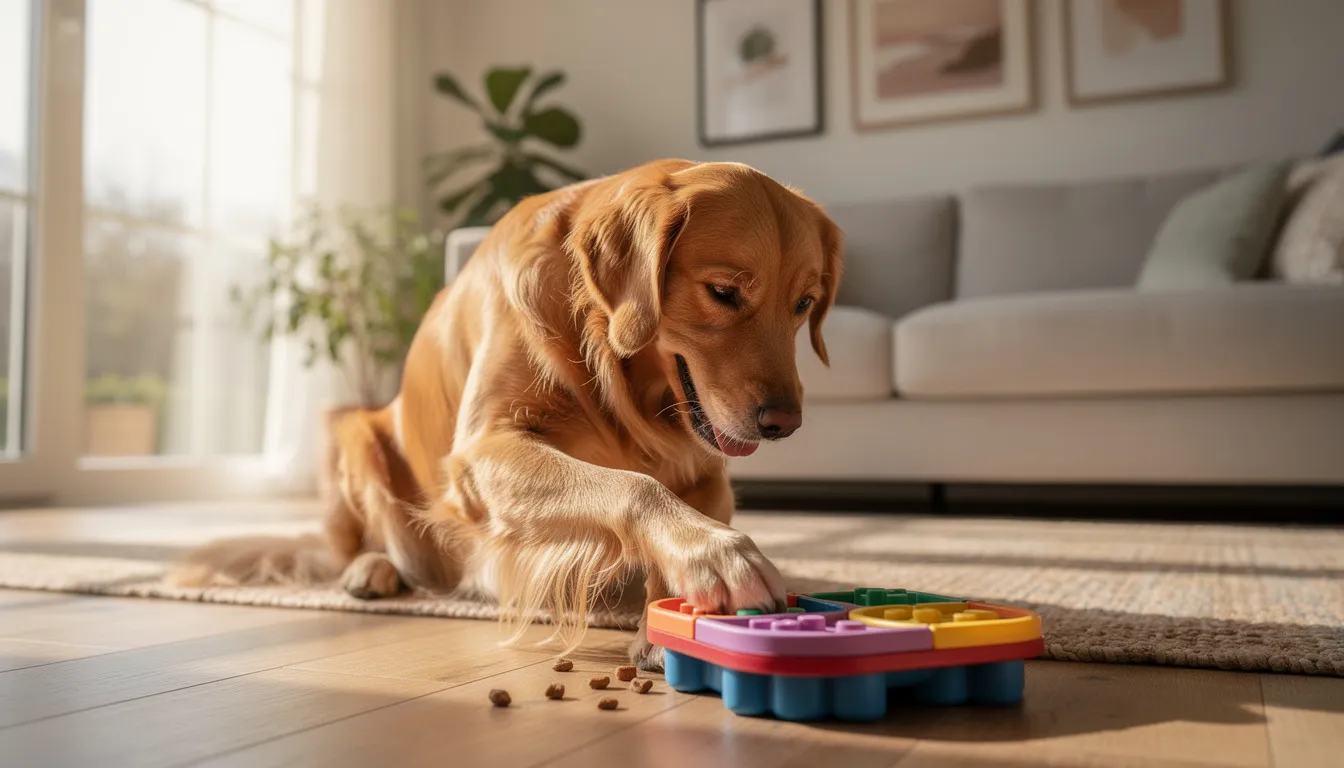
One of the simplest ways to add enrichment to your pet’s day is turning their meal into a job.
Instead of a bowl that’s emptied in two minutes, you give them something that takes 15, 30, even 60 minutes to figure out. It’s the difference between gulping and genuinely working for their food — and research shows most pets actually prefer it that way. Puzzle feeders engage pets' minds and are especially helpful for fast eaters, as they slow down mealtime and encourage problem-solving.
Consider keeping a small “enrichment shelf” in your kitchen. Stock it with puzzle feeders, treat dispensing toys, snuffle mats, and Kongs so you can grab something on your way out the door at 7 a.m. without thinking twice.
A helpful habit: batch your prep on Sunday evenings. Stuff and freeze 3-5 Kongs for the workweek. Pre-portion kibble into labeled containers for puzzle toys. When Monday morning is chaotic, everything’s ready.
One gentle reminder: if you’re adding food puzzles to your pet’s routine, reduce their regular bowl-meal size to avoid unintended weight gain. This is especially important for indoor-only cats and smaller dogs.
Interactive Feeders & Slow-Meals
For dogs, slow feeders and puzzle bowls can stretch a two-minute meal into 10-15 minutes of licking, pawing, and problem solving. Look for bowls with ridges, mazes, or compartments that force them to work around obstacles.
For cats, a simple 4-6 hole puzzle feeder or a rolling treat ball that dispenses small portions of kibble works beautifully. Cats benefit from this kind of mental exercise just as much as dogs do.
When introducing these for the first time, start easy. Leave treats visible. Use the simplest setting. You want your pet to succeed and feel good, not get frustrated and give up.
The easiest shift? Replace just one normal bowl meal per day with a slow feeder. No extra time required.
Snuffle Mats & Foraging Games
A snuffle mat is a fabric mat with strips or pockets where you hide kibble or treats. Dogs push their noses through the fabric to find the food, engaging their incredible 300 million olfactory receptors.
Before you leave for work, sprinkle a portion of breakfast across the mat. It can keep a dog busy for 10-20 minutes and channels that natural instinct to forage.
For cats, foraging looks a little different. Try scattering a portion of kibble across a safe room, on low shelves, or on a flat snuffle-style rug. This mimics the hunt they’d experience outdoors.
A few easy DIY options:
-
Hide kibble in a muffin tin and cover each cup with tennis balls
-
Fold paper cupcake liners around treats and scatter them
-
Tuck treats into cardboard boxes with crumpled paper
Foraging games are especially helpful for anxious pets who tend to fixate on the door when you leave.
Stuffed Kongs, Lick Mats & Frozen Treats
Here’s a simple workday routine for dogs:
-
Stuff a Kong with kibble, mashed banana, plain pumpkin, or unsweetened yogurt
-
Freeze overnight
-
Hand it over as you grab your keys in the morning
That frozen Kong can occupy a dog for 20-40 minutes — right during those first stressful moments after you leave.
Lick mats work for both cats and dogs. Spread a thin layer of wet food, bone broth, or pâté across the surface. The slow, repetitive licking is soothing — almost meditative — and creates 10-20 minutes of calm focus.
Combinations that freeze well:
-
50% kibble, 50% canned food
-
Mashed sweet potato layered with regular food
-
Bone broth frozen with small treats inside
These are perfect during conference calls, online meetings, or when you’re heading to the airport. Give your pet something positive to focus on instead of separation stress.
Low-Effort DIY Food Puzzles
You don’t need fancy equipment. Common household items work surprisingly well:
-
Toilet paper tubes: Fold the ends closed around kibble or treats
-
Cardboard boxes: Cut holes and hide treats inside
-
Paper bags: Crumple loosely around food for cats to bat and tear
-
Hand towels: Roll treats inside and let your dog unroll it
Safety notes: supervise the first few uses. Avoid tape and staples. Take away soggy cardboard from heavy chewers.
These DIY puzzles are perfect for the night before a business trip when you’re short on time but still want to set your pet up for success the next day.
Indoor Play & Exercise for Small Spaces
Many pet owners live in apartments or townhouses without yards. City living means getting creative.
The good news: even 5-15 minutes of focused indoor time before work and when you get home can dramatically reduce boredom barking, scratching, and nighttime zoomies.
A helpful pattern: pair physical playtime with a calm activity afterward (like a lick mat or chew toy). This helps pets wind down while you shower, cook dinner, or answer emails.
Hallway Games & Soft-Toy Fetch
Hallway fetch is a classic for apartment-dwelling dogs. Use soft toys, plush balls, or even rolled-up socks to avoid noise and damage in shared buildings.
Rather than one long, exhausting session, try 5-minute “micro-sessions” — one in the morning before leaving, one at night after dinner.
Some confident cats actually enjoy fetch too. Toss a crinkle ball or small mouse toy down the hallway and see if they bring it back. You might be surprised.
Tug, Flirt Poles & Indoor Agility
Tug with a rope toy or fleece strip gives dogs a structured, quick workout. Keep it simple: teach “take it” and “drop it,” take short breaks, and let them win sometimes.
Flirt poles are excellent for high-energy dogs in small spaces. The pole lets you create quick direction changes and controlled sprints. Always end with a satisfying “catch and chew” moment — the game should feel complete.
For dogs who enjoy learning patterns, create low-impact “agility” courses with couch cushions, chairs, and broom handles laid on the floor as ground-level jumps.
Vertical Play & Climbing for Cats
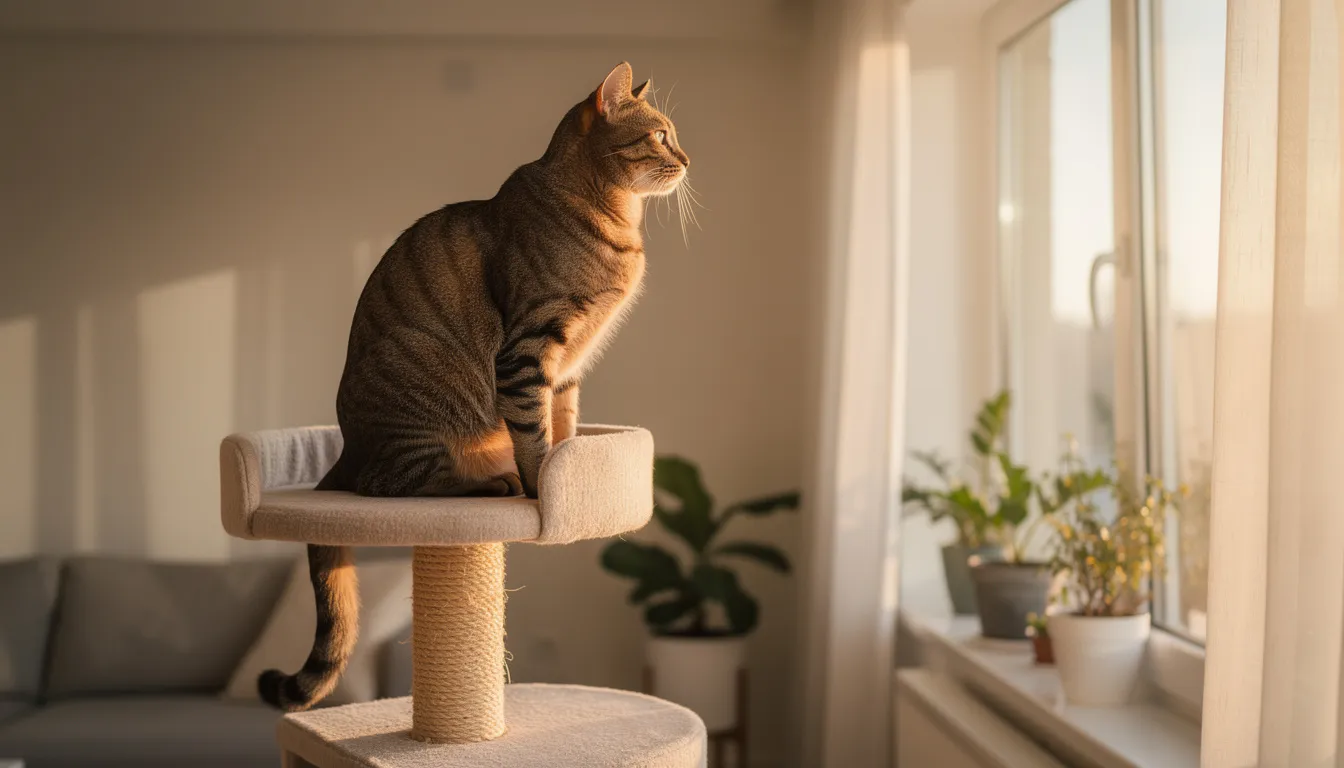
Cats are vertical creatures. A cat tree, bookshelf pathway, or set of window perches becomes a gym when you’re gone all day.
Place treats or wand toys on different levels to encourage climbing and jumping. This kind of physical enrichment satisfies their instinct to survey territory from above.
Before work, a short play session with feather wands or ribbon toys helps cats burn excess energy before settling into nap mode.
Quiet Options for Apartment-Friendly Exercise
For neighbors’ sake, here are some quieter ideas:
For dogs:
-
Create scent trails using treats through the apartment
-
Slow stair walks for pets whose joints can handle steps
-
Hide and seek games where you hide and call them
For cats:
-
Treat hunts in cardboard tunnels or fabric tunnels
-
Under-blanket hideouts and interesting hiding spots, like cardboard boxes or paper bags, for them to explore independently
-
Cardboard boxes with holes cut for stalking games
Soft toys and limited jumping late at night keeps everyone happy — including the people downstairs.
Mental Challenges, Training Games & “Alone-Time” Confidence
Here’s something worth knowing: 5-10 minutes of brain work can tire a dog or cat as effectively as a much longer walk or chase session.
Training sessions aren’t homework. They’re enrichment that makes your pet feel successful and connected to you.
The real-life benefits add up: calmer greetings when you return from work, less reactivity when you travel, better crate comfort, smoother vet visits.
The trick is sprinkling tiny training moments into existing routines. While your coffee brews. During TV ads. Right before bed. No need to carve out long blocks of time.
Refresh Everyday Cues
For dogs, revisit basics like “sit,” “down,” “stay,” “come,” and “wait” with short 3-5 minute sessions using kibble or small treats.
Cats can learn simple cues too: “come,” “up,” or “touch” (nose to finger or target stick). It’s genuinely enriching for them, and it makes life easier for you.
Smoother obedience at the door or when guests visit reduces stress for everyone after long days apart.
Teach New Tricks & Party Skills
Learning new tricks builds confidence, especially in shy or anxious pets who struggle when their person travels.
Beginner tricks for dogs:
-
Spin in a circle
-
Shake or give paw
-
Take a bow
-
Go to your mat
Beginner tricks for cats:
-
High-five
-
Sit
-
Jump through a small hoop
-
Touch a target
Use weekends or quieter evenings to teach one small trick across a few days. It becomes a shared project — something you’re building together.
Scent Work & Search Games
Scent work and nose work tap into powerful natural instincts and can be done in the tiniest spaces.
For dogs: Start a simple “find it” game. Show a treat, let them watch you hide it in plain sight, say “find it,” and celebrate when they do. Gradually increase difficulty — behind furniture, in another room, in various spots around the house.
For cats: Hide favorite treats or toys in cardboard boxes, behind table legs, or on different shelves. Let them hunt.
This kind of problem solving is deeply satisfying for both species.
Problem-Solving Toys & Rotating “Work Stations”
Create 2-3 “stations” around your home:
-
A puzzle feeder zone in the kitchen
-
A snuffle mat corner in the living room
-
A window perch with a view
Pets can rotate through these during the day, making independent play feel more like exploring different rooms of an enrichment playground.
Rotating which puzzles are out each week prevents boredom. This week’s one toy becomes exciting again after a break in the closet.
Sensory, Comfort & Independent Play: Helping Pets Feel Safe Home Alone
Enrichment isn’t only high-energy play. It’s also about helping pets feel secure, cozy, and soothed when their person isn’t there.
Whether it’s a long day at the office, a red-eye flight, an overnight stay with relatives, or a weekend trip — your pet needs comfort as much as entertainment.
This section focuses on things pets can safely enjoy without constant supervision: window watching, audio enrichment, safe chews, and cozy dens.
Start by observing where your pet naturally chooses to sleep or watch the world. Build enrichment around those preferences.
Safe Chews, Solo Toys & Toy Rotation
Create a small “alone-time” toy basket with durable chews and soft toys that only come out when you leave.
The key to rotating toys: keep 3-5 in rotation weekly. Store the rest out of sight. When you swap them back in, they feel fresh and interesting again — no huge toy collection required.
Always choose size-appropriate, vet-approved chews. Test new items while you’re home before leaving pets alone with them.
Window Views & Bird TV
Set up a cat tree or cushioned bench near a safe window. If you can position a bird feeder or squirrel-friendly area outside, you’ve created “cat TV” — and research shows cats spend 2-4 hours daily watching, which cuts boredom indicators in half.
Many dogs also enjoy watching the world from a slightly raised bed or window seat, especially if street activity is calm.
For very reactive pets who bark or get frustrated at movement outside, it may be better to choose quieter windows or limit visual access. Know your pet.
For some dogs, car rides can also provide enjoyable sensory enrichment and relaxation, similar to window watching.
Soundscapes, Music & Calming Scents
Silence can feel unsettling when a home is usually full of life.
Try leaving on soft music, audiobooks, or pet-focused TV channels to create a sense of normal background activity. Many pets find this genuinely soothing.
Pet-safe calming aids like pheromone diffusers can help with anxiety. Some dogs respond to lavender; many cats enjoy silvervine.
Test any new audio or scent while you’re home to make sure your pet finds it calming rather than unsettling.
Cozy Nests & Safe Retreats
Every pet needs at least one truly quiet, undisturbed resting spot.
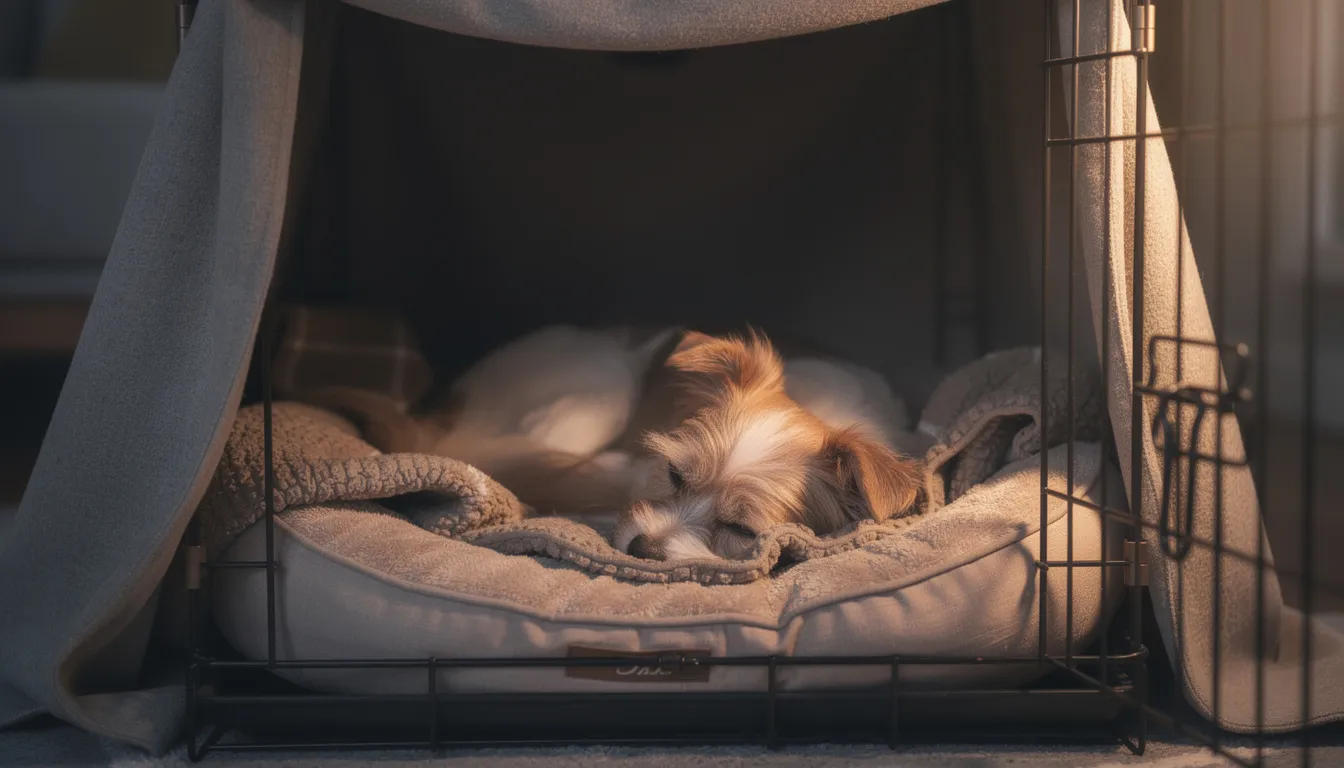
For dogs, consider a covered crate or den space — their “bedroom,” not a punishment area. Add a supportive bed, soft blankets, and possibly an item of your worn clothing. This setup is especially helpful when pets stay with sitters or board.
For cats, enclosed beds, box “caves,” or high hideouts work beautifully. Providing interesting hiding spots, such as cardboard boxes or paper bags, is also important to mimic natural behaviors and stimulate their hunting instincts. These become safe retreats during noisy moments like cleaning, deliveries, or stormy days.
Planning Ahead for Long Workdays, Trips & Pet Sitters
The guilt many pet parents feel before long workdays or travel is real. It’s also something you can ease with a little planning.
Consistency matters. Keeping feeding times, enrichment patterns, and favorite toys familiar helps pets cope when routines change and their person is away.
Create a Simple Daily Enrichment Plan
A 3-part routine works well for weekdays:
-
Morning (before leaving): Quick enrichment — frozen Kong, snuffle mat, or puzzle feeder
-
Mid-day (if possible): Dog walker, neighbor visit, or automatic feeder
-
Evening (after returning): Calm ritual — gentle play, lick mat, or training session
Sample schedule for an 8 a.m.-5 p.m. workday:
|
Time |
Activity |
|---|---|
|
7:00 a.m. |
Quick walk or play session |
|
7:30 a.m. |
Breakfast in puzzle feeder |
|
7:45 a.m. |
Frozen Kong handed over as you leave |
|
12:30 p.m. |
Dog walker visit or automatic feeder dispenses |
|
5:30 p.m. |
Arrive home, short walk or play |
|
6:00 p.m. |
Dinner with slow feeder |
|
8:00 p.m. |
Calm enrichment — lick mat or gentle training |
|
Write this out and post it on the fridge. Family members or sitters can follow it easily. |
|
Prep Stations & Supplies for Sitters or Friends
Organize enrichment tools in labeled bins: “puzzles,” “chews,” “wand toys,” “treats.” Sitters shouldn’t have to guess what goes where.
Leave a short note explaining:
-
Each pet’s favorite indoor games
-
What to avoid (like tug for arthritic dogs or laser pointers that frustrate certain cats)
-
How long sessions should last
-
Any anxiety triggers (doorbells, thunderstorms, loud TV)
-
What calms your pet quickest
This preparation makes all the difference when you’re away.
Travel-Specific Comforts & Keepsakes
When your pet is staying elsewhere, bring familiar items: their usual bed, a blanket from the couch, a well-loved toy that smells like home.
Some pet parents like keeping meaningful photos or custom art of their dog or cat when they travel — a small way of feeling connected even from a hotel room. If that resonates with you, Print Our Pet creates keepsakes designed for exactly those moments.
Consider developing small rituals — a special goodbye game or phrase — that signal to your pet you’ll always come back.
Adjusting Expectations & Listening to Your Pet
Not every dog or cat will enjoy every enrichment idea. That’s okay.
Let your pet “vote” with their paws. If they walk away from a puzzle toy, try something different. If they seem overwhelmed (panting, hiding, over-arousal), swap to calmer options like licking or scent work.
Make changes gradually, especially for senior pets or rescues still learning to trust. Rainy days and colder months are perfect for experimenting with new indoor games without pressure.
The goal isn’t perfection. It’s paying attention.
FAQ: Indoor Enrichment for Busy Dog & Cat Parents
How much indoor enrichment does my pet really need if I work full-time?
Most healthy adult dogs and cats do well with at least two short enrichment sessions daily — one in the morning before you leave and one in the evening when you return — plus safe solo options during the day.
Highly active breeds and young pets may need extra mental work to burn energy levels down. Senior pets often prefer shorter, gentler activities that don’t strain their joints.
Start small: 5-10 minutes twice a day. Then adjust based on what you see. Less restlessness, fewer destructive habits, and calmer evenings are good signs you’ve found a rhythm.
Is it okay to leave puzzle toys and chews with my pet when I’m not home?
Test any new toy or chew under supervision first. Watch to make sure your pet doesn’t break off large pieces, swallow chunks, or get overly frustrated.
Once you’ve confirmed something is safe, select sturdy, size-appropriate items for solo use. Reserve more delicate or complex puzzles for when you’re present to supervise.
For heavy chewers or pets with dental or digestive health issues, ask your veterinarian about safe chew types. What works for one pet may not work for another.
What if my cat or dog doesn’t seem interested in the enrichment ideas I try?
This is common — and it usually just means you haven’t found the right match yet.
Experiment with different reward types (food versus toys versus praise) and different game styles (chasing versus sniffing versus climbing versus chewing). Some dogs live for scent work; others want to tug. Some cats stalk feather wands; others prefer paper bags.
Keep sessions very short and end while your pet is still engaged. This builds positive associations over time and prevents cabin fever from setting in.
How can I keep up with enrichment when I’m exhausted after work?
Low-effort options are your friend. Pre-stuffed frozen Kongs require zero energy at 6 p.m. Tossing a handful of kibble for a quick “find it” game takes 30 seconds while you’re still in your work clothes.
Pair enrichment with existing routines. Puzzle feeder while you cook dinner. Wand toy play during a TV show. Lick mat while you check emails.
Consistency matters more than perfection. A few minutes most days helps more than long sessions once in a while.
Does indoor enrichment really help with separation anxiety?
Enrichment alone doesn’t “cure” clinical separation anxiety. But it can reduce mild stress and give pets healthier ways to cope with alone time.
For severe anxiety — howling, destruction, self-injury, extreme distress — please involve a veterinarian or qualified behavior professional. These cases need more comprehensive support.
For everyday unease, enrichment works as part of a broader approach: gradual departures, predictable routines, calming environments, and activities that give your pet something positive to focus on.
Every small effort you make to enrich your pet’s day is a quiet act of love. You don’t need to be perfect. You don’t need to fill every minute. You just need to give them enough interesting, comforting moments that the waiting feels easier.
Maybe start with one idea from this list today — a frozen Kong, a treat hunt, a new hiding spot. See how your pet responds. Adjust from there.
They’re waiting for you to come home. In the meantime, you can make sure they have something good to do.
Common Mistakes to Avoid When Providing Indoor Enrichment
Sticking to the Same Routine (and Toys) Every Day
Pets thrive on novelty. Relying on just one toy or the same old game can quickly lead to boredom and pent up energy. Rotating toys, introducing new puzzle feeders, and switching up enrichment activities—like hide and seek, treat dispensing toys, or food puzzles—keeps things interesting and encourages problem solving. Try swapping out toys weekly, or hiding treats in various spots around the house to create a new challenge each day.
Ignoring Your Pet’s Natural Instincts and Energy Levels
Not all enrichment ideas are one-size-fits-all. Dogs often need more physical and mental stimulation, while cats benefit from vertical spaces, window perches, and visual stimulation—like a bird feeder outside their favorite window. Senior pets may prefer gentle games or a cozy blanket fort, while younger animals might crave more active play. Pay attention to what your pet naturally seeks out, and tailor your enrichment activities to match their instincts and energy levels.
Overlooking Independent Play Opportunities
It’s easy to focus on interactive games, but pets also need time to play and relax on their own—especially when you’re away. Set up safe spaces with chew toys, puzzle feeders, or cardboard boxes for independent play. For cats, a window perch with a view of a bird feeder can provide hours of entertainment. For dogs, hiding treats or kibble around the house encourages nose work and keeps them busy solving problems on their own.
Skipping Training Sessions and Mental Exercise
Enrichment isn’t just about physical activity—mental stimulation is just as important. Forgetting to include training sessions or new tricks can leave your pet under-stimulated and prone to anxiety or house soiling. Short, positive training sessions, scent work, or nose work games can help your pet burn excess energy and build confidence. Even a few minutes a day can make a big difference, especially during rainy days or colder months when outdoor time is limited.
Not Adjusting for Weather or Seasonal Changes
When the weather brings stormy days, rainy days, or long winter nights, pets can experience cabin fever and changes in energy levels. Failing to adapt your enrichment ideas during these times can lead to restlessness or destructive behavior. Create a cozy indoor environment with soft blankets, favorite toys, and extra enrichment activities to keep your companion happy and healthy, no matter what’s happening outside.
Failing to Monitor and Adjust Based on Your Pet’s Needs
Every pet is unique, and their preferences can change over time. Not paying attention to your pet’s body language, appetite, or behavior can mean missing early signs of anxiety, health issues, or boredom. If you notice house soiling, loss of interest in toys, or other changes, don’t hesitate to tweak your routine or consult a veterinarian or trainer. Sometimes, a simple change—like adding a new hiding spot, switching up food puzzles, or increasing independent play—can make all the difference.
By avoiding these common mistakes and staying curious about what truly engages your pet, you’ll create an indoor enrichment routine that supports their natural instincts, keeps cabin fever at bay, and ensures your house is a place of fun, comfort, and mental stimulation all year round.