


Key Takeaways
-
A quick hands-and-eyes body condition score (BCS) check lets you tell if your dog or cat is too thin, at an ideal weight, or carrying extra weight—no scale required.
-
Most adult dogs and cats are healthiest at a BCS of 4–5 on the 9-point scale, where ribs are easy to feel, there’s a visible waist from above, and a gentle abdominal tuck from the side.
-
You don’t need special tools or training—just your hands, a calm pet, and a few minutes each month.
-
Regular BCS checks at home, combined with your vet’s guidance, matter more than any single number on the scale for your pet’s long-term health and comfort.
-
The goal isn’t “pet dieting” or perfection. It’s simply more happy, comfortable years together with the pets you love.
You know that moment when your dog settles against your leg on the couch, or your cat stretches out for a belly rub? Those quiet, everyday touches already tell you a lot about your pet. With just a little intention, they can also tell you whether your pet is at a healthy weight.
That’s what body condition scoring is all about—a simple, gentle way to check in on your pet’s body without needing a scale, a vet appointment, or any special equipment. Just your hands, your eyes, and a couple of calm minutes.

What Is a Body Condition Score (BCS) — And Why It Matters for Pets
A body condition score is a quick visual and hands-on way to check whether your dog or cat is underweight, at a healthy body condition, or carrying excess weight. Think of it as a more complete picture than the number on a scale—because two pets can weigh exactly the same but have very different amounts of body fat and lean muscle. The body condition score system is a standardized method used by veterinarians and pet owners to assess a pet's overall health and body condition.
Most veterinarians use either a 1–9 scale (common for dogs and many cats) or a 1–5 scale (used in some cat charts). On the 9-point scale, a body condition score BCS of 4–5 is considered ideal. On the 5-point scale, that sweet spot is usually around 3. Relying solely on a dog's weight or pet's weight can be misleading, as the body condition score system provides a more accurate assessment of your pet's health.
What does BCS actually measure? It looks at a few key areas: your pet’s ribs, waist, belly tuck, spine, and fat pads. By combining what you see and what you feel, you get a more accurate picture of your dog’s body condition or your cat’s overall health than weight alone could ever provide. Regular assessment of your pet's body condition is important for monitoring your pet's health and ensuring they stay at an ideal weight.
This isn’t about judging your pet’s appearance. It’s about keeping their joints, heart, and energy levels healthy for as long as possible. Catching even modest weight gain early can help prevent bigger issues down the road—and that’s what this simple check is for.
Understanding the Healthy Weight Zone for Dogs and Cats
Rather than chasing a single “perfect” number, it helps to think of your pet’s healthy weight as a zone—often referred to as your pet's healthy weight. For most dogs, that ideal body condition score falls around 4–5 on the 9-point scale. For cats, it’s similar—4–5 on the 9-point scale, or around 3 on the 5-point scale.
Here’s what the different zones generally look and feel like:
-
Too thin (BCS 1–3/9): Ribs, spine, and pelvic bones are easily visible and feel sharp with minimal fat covering. You might notice a dramatic, pinched waist and severe tummy tuck. There may be visible muscle loss along the back and hips.
-
Ideal (BCS 4–5/9): Ribs are easy to feel with only a thin layer of soft tissue covering them. There’s a defined waist when you look from above and a gentle abdominal tuck from the side. Your pet feels healthy—not bony, not padded.
-
Overweight (BCS 6–9/9): Ribs are harder to feel, buried under a thick layer of fat. There’s little to no visible waist, and the belly may sag or round outward. Common fat pads appear over the lower back, neck, and base of the tail.
Keep in mind that breed, age, and body shape all influence how an ideal body looks. A pet's age can affect their body condition, as older pets may experience muscle loss or weight changes. A Greyhound at BCS 4/9 will look much leaner than a Labrador at the same score—and that’s completely normal. Focus on the feel of the ribs and the overall body contours rather than comparing your pet to others at the park.
One more thing: studies suggest that being slightly lean (within the ideal range) supports longer, more comfortable lives—especially for joints and hearts. So if your pet hovers around 4/9, that’s a good place to be.
Simple 2-Minute Body Score Check You Can Do at Home
Tonight, when your dog comes over for cuddles, or your cat stretches on the couch, you can do this in about two minutes.
The check has three main parts that work for both dogs and cats:
-
Feel the ribs
-
Check the waist from above
-
Look at the tummy from the side
No medical training required—just some simple sensory comparisons that any pet parent can follow. After you’re done, jot down your rough BCS number and a note or two in your phone. Over time, this helps you track small changes month by month. Regular BCS checks, along with monitoring your pet's weight during veterinary wellness visits, can help detect gradual health changes early.
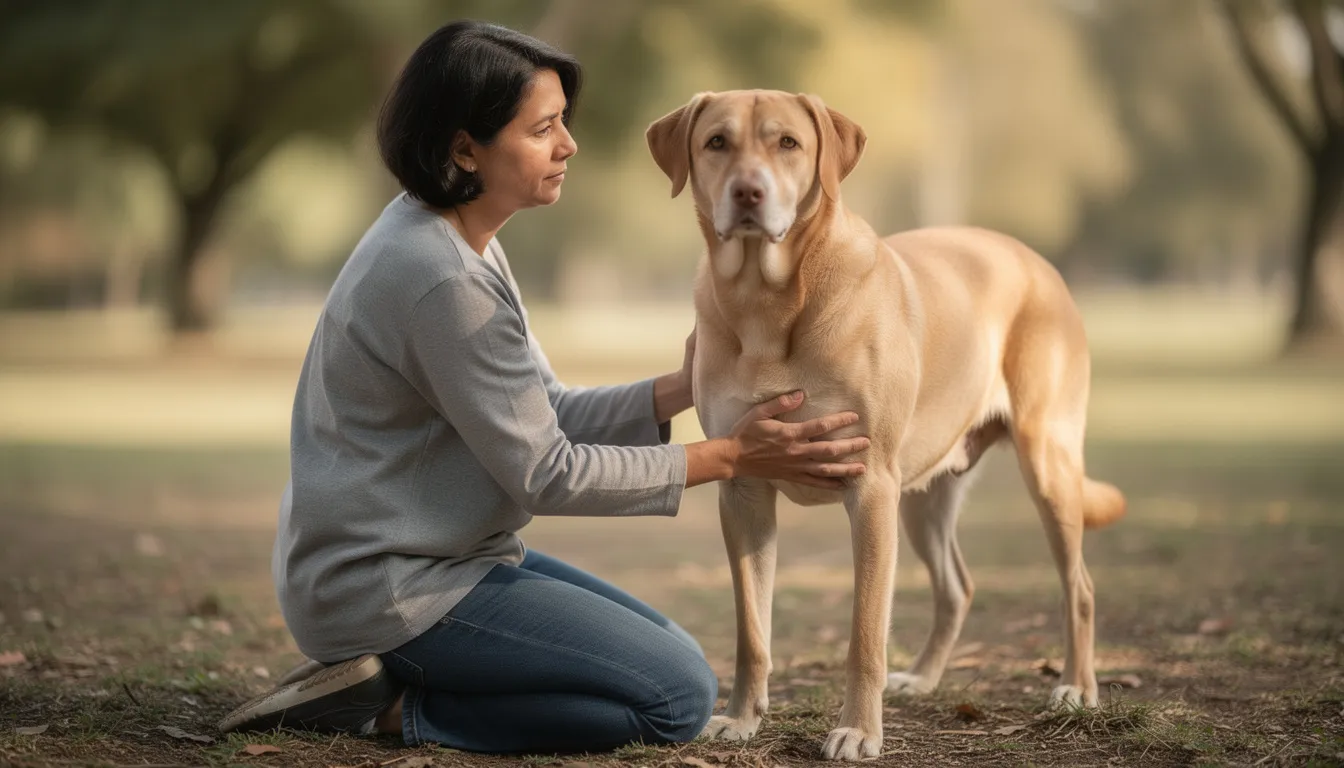
Step 1: Feel the Ribs
Have your pet standing or relaxed on their side. Gently run your fingertips along the rib cage just behind the front legs. Feeling your dog's ribs is a key part of assessing their body condition and determining if they are at a healthy weight.
Ideal: Each rib is easy to feel under a thin layer of soft tissue—similar to running your fingers over the back of your relaxed hand through a light shirt. There’s minimal fat, but the ribs aren’t poking out.
Too thin: The ribs feel sharp and obvious, with almost no padding. It’s like feeling your knuckles through skin. You might even see the rib outline without touching.
Overweight: Ribs are hard to feel, even with firm pressure. It’s like trying to feel bones through a folded towel—there’s a thick layer of fat covering them.
For pets with thick coats or long hair, touch is far more reliable than simply looking. A fluffy Husky or a long-haired cat can hide a lot under that fur, so always use your hands on evaluation.
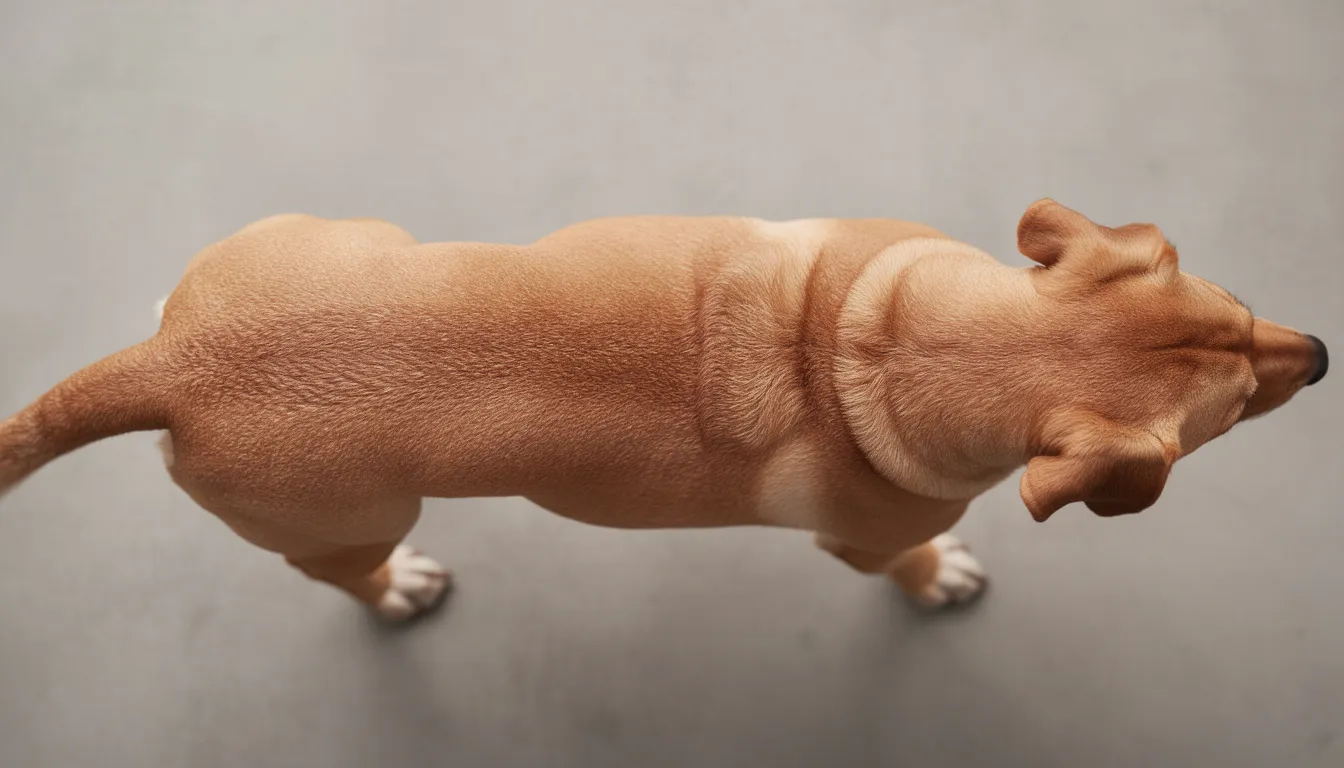
Step 2: Look for a Waist from Above
Stand over your dog, or look down at your cat when they stand or walk away. Notice the body shape just behind the rib cage.
Ideal: You’ll see an hourglass shape where the area behind the ribs gently narrows before the hips. It’s noticeable but not extreme—a defined waist without being dramatic.
Too thin: The waist looks very pinched with a strong inward curve. You might also see the spine or pelvic bones visible from above.
Overweight: The body looks like a straight tube, or there’s even an outward bulge at the sides. Little to no waistline is visible. This is especially common in stocky dogs and indoor cats.
Remember, breeds with barrel chests or short bodies (like French Bulldogs or some mixed-breed cats) will naturally have a softer waist. Combine this step with your rib check for a more accurate picture.
Step 3: Check the Tummy Tuck from the Side
For dogs, kneel down to view from the side while your dog is standing. For cats, watch as they walk or stretch across the room.
Ideal: The belly line slopes gently upward from the end of the rib cage toward the hind legs. This is a visible but moderate abdominal tuck—not dramatic, not absent.
Too thin: The tuck is very sharp, with the abdomen dramatically drawn up. You might also see thin ribs or spine when the pet moves.
Overweight: There’s little to no upward slope. The belly may look rounded, sagging, or swinging slightly when your pet walks. In cats, you might notice a distinct “fat pouch” hanging low.
Pair this visual assessment with how the ribs felt. Together, they help you arrive at a rough BCS—maybe 3/9 (too thin), 4–5/9 (ideal), or 6/9+ (overweight). Write down your best guess.
Why So Many Pets Look “Normal” but Aren’t at a Healthy Weight
Here’s something worth knowing: pet obesity has become so common that a slightly overweight body often looks “normal” to most of us. We’ve gotten used to it.
Several factors can mask excess weight:
-
Thick coats on breeds like Huskies, Golden Retrievers, or long-haired cats
-
Naturally stocky frames like Bulldogs or certain mixed-breed rescues
-
Heavy muscle mass that can hide extra fat over the ribs
Even a modest shift from ideal—say, moving from 5/9 to 6/9—can increase strain on joints, breathing, and organs over time. The American Veterinary Medical Association notes that obesity in dogs is defined as exceeding 30% above ideal weight, but problems can start well before that threshold.
A few gentle examples: an older Lab with mild arthritis carrying excess weight may struggle more on walks. An indoor cat that’s gradually lost its visible waist might tire more quickly during play.
Noticing these changes early with BCS checks is simply a way of caring—catching small shifts before they become bigger health concerns like heart disease, kidney disease, or joint problems.
Full Hands-On Assessment: When You Want a Closer Look
If you’re unsure after the quick check, a slower, more thorough hands on evaluation can give you a clearer answer. This should feel like gentle petting and exploring—not a medical exam. Keep it calm and reassuring for both you and your pet.
This kind of assessment is especially helpful for senior dogs and cats, very fluffy pets, or any dog or cat whose ribs are hard to reach by feel alone.
If your pet seems uncomfortable at any point, pause or stop. And if you feel unsure about technique, ask your vet to demonstrate at your next visit—they’re happy to help.
Check Spine and Back
Run your fingertips from the shoulders along the spine to the hips using very light pressure, like you’re smoothing fur.
Ideal: Each vertebra is easy to feel as a line, but not sharp or poking. The back feels smooth with a gentle layer of padding over the lumbar vertebrae.
Too thin: Spine bones feel pronounced and bumpy with little to no padding. They might be visible when your pet bends or stretches.
Overweight: The spine is difficult or impossible to distinguish under a thick, soft fat layer along the back.
Note: Older pets can lose muscle along the spine, so obvious bones combined with soft “love handles” at the waist may signal both muscle loss and extra fat. That’s worth discussing with your vet.
Feel Hips and Pelvis
Place your hands gently over the hips and pelvic area. Use your fingertips to feel for the hip bones without poking or squeezing.
Ideal: Hip bones are easy to find but not poking sharply. There’s smooth muscle over the top with only a slight fat covering.
Too thin: Hip or pelvic bones feel sharp and clearly protrude. Pelvic bones visible or pelvic bones stick out noticeably when your pet walks or sits. In severely underweight pets, these bones may look dramatic.
Overweight: Bones are buried or hard to locate under soft tissue, often with noticeable padding over the lower back and base of the tail.
Combine this information with your rib and spine checks to refine your BCS estimate—relying solely on one body area won’t give you the full picture.
Scan for Common Fat Pads
Dogs and cats tend to store excess fat in predictable spots: neck, chest, behind the front legs, over the lower back, and at the base of the tail.
Ideal: Skin moves easily with only light, even padding. No distinct lumps or soft pillows of fat where the collar or harness sits.
Early overweight signs: Soft bulges under the chest, thick padding over the lower back, or a squishy area at the tail base that wasn’t there in older photos.
Cats in particular often develop an abdominal fat pad—a swinging pouch that can grow as they gain weight, even if the rest of their body looks similar from above.
Noticing these small fat pads early is a great time to talk to your vet about gentle feeding adjustments or more playtime, rather than waiting for obvious weight gain.
Practical Tips for Pet Obesity Prevention
Keeping your pet at a healthy weight is one of the most loving things you can do for their long-term health and happiness. Preventing excess weight gain isn’t about strict rules—it’s about building simple, sustainable habits that support a good body condition score and overall well-being.
Here are some practical ways to help your dog or cat maintain a healthy body condition and avoid obesity:
-
Check your pet’s body condition score (BCS) regularly: Make hands-on BCS checks part of your monthly routine. This gives you a more accurate picture of your pet’s body composition than relying solely on the scale, and helps you spot early signs of weight gain before they become a problem.
-
Feed a balanced diet: Choose a high-quality, balanced diet that matches your pet’s age, size, and activity level. Avoid overfeeding, and remember that even a little extra food each day can lead to excess weight over time.
-
Measure every meal: Use a measuring cup or kitchen scale to portion out your pet’s food. Guesswork often leads to overfeeding, so accurate portions are key to maintaining a healthy weight and ideal body condition score.
-
Limit treats and snacks: Treats should make up no more than 10% of your pet’s daily calories. Opt for healthy, low-calorie options, and use praise or play as rewards whenever possible to help prevent unnecessary weight gain.
-
Encourage daily activity: Regular exercise helps burn calories and maintain lean muscle mass. Whether it’s longer walks, play sessions, or interactive toys, keeping your pet active supports a healthy body condition and reduces the risk of excess fat.
-
Skip the table scraps: Human food is often high in calories and fat, which can quickly add up and lead to weight gain. Stick to your pet’s balanced diet to help them stay at a good body condition score.
-
Track your pet’s weight: Weigh your pet regularly and note any changes alongside your BCS checks. This helps you and your veterinarian spot trends and adjust your pet’s diet or activity as needed.
-
Partner with your veterinarian: Your vet is your best resource for personalized advice on weight management, appropriate diet, and exercise plans tailored to your pet’s age, breed, and health status.
By making these small, mindful changes part of your routine, you’ll help your pet maintain a healthy weight, support their ideal body condition, and set them up for a longer, more comfortable life by your side. Prevention is always easier—and kinder—than trying to lose weight later on.
What Your Pet’s Score Means — And What to Do Next
Most home scores will fall into three general groups: too thin, healthy/ideal, or overweight. And being “between numbers” on a chart is completely normal—this isn’t an exact science.
What matters most is trends over time. Watching your pet drift from 5/9 to 6/9 over six months tells you more than worrying about whether they’re exactly a 4 or exactly a 5 today.
The goal here is comfort, energy, and shared time together—not fitting some ideal body image.
If Your Pet Seems Too Thin
If your dog or cat scores around 1–3/9, especially if weight loss is new, rapid, or unexplained, please call your veterinarian.
Possible causes include illness, parasites, dental pain, changes in appetite, or simply not getting enough calories for their activity level. A vet may recommend blood work, a dental exam, or a gradual, nutrient-rich feeding plan to help rebuild healthy muscle safely.
Avoid the temptation to suddenly overfeed or give lots of high-fat treats—this can upset the stomach and may miss any underlying medical issue.
The good news? Catching “too thin” early with regular BCS checks makes healthy recovery much easier.
If Your Pet Looks and Feels Ideal
That’s wonderful. Keep doing what you’re doing: consistent meals, daily movement, and regular vet checkups.
Consider making a habit of a quick BCS check once a month—maybe on the first of the month, or on your pet’s “gotcha day” anniversary. This helps you notice small shifts before they become bigger concerns.
Remember that your pet’s needs change over time. Puppies and kittens grow. Adult dogs slow down. Senior dogs may need fewer calories but more focus on maintaining muscle mass with an appropriate diet.
Store a few photos or brief notes about your pet’s current body shape. They’ll serve as a helpful reference later if you ever wonder, “Has she changed?”
If Your Pet Is Overweight or Has Obesity
First, speak with your veterinarian before making significant changes to food or exercise—especially for senior dogs, or pets with arthritis, heart disease, high blood pressure, or breathing issues.
Your vet may suggest a modest calorie reduction for mildly overweight pets, or a therapeutic weight management plan for those who are significantly overweight (BCS 7–9/9). They may also rule out medical causes for weight gain.
Please avoid crash diets or sudden intense exercise. Gradual change is safer for joints, heart, and overall wellbeing.
Some everyday ideas your vet might support:
-
Measuring meals with a cup or kitchen scale
-
Choosing lower-calorie treats
-
Swapping some snack time for play or short walks
-
Ensuring a balanced diet appropriate for your pet’s age
Weight changes take time. Every small, steady step is an act of care for your pet’s comfort and future. Obese dogs and cats can lose weight safely—they just need patience and guidance.
Making Body Score Checks a Loving Monthly Ritual
BCS checks don’t have to feel clinical. They can become a quiet monthly ritual—done during belly rubs, grooming sessions, or an evening cuddle on the sofa.
A few ways to remember:
-
A note on the fridge
-
A recurring phone reminder
-
Tying it to something you already do, like heartworm medication day or the first weekend of each month
Keep a tiny “body log” somewhere—your phone notes work fine. Just record the date, your rough BCS estimate, and a word or two: “good waist,” “ribs harder to feel,” “belly more round.”
Bringing this log to vet appointments gives the veterinary team valuable insight into trends they might not catch in a single visit. It helps them tailor advice on food portions, activity, and overall care.
Paying this kind of quiet attention is one more way of saying “I love you” in a language your pet understands: comfort, energy, and ease in their own body.

FAQ: Pet Body Condition Score and Healthy Weight
These questions cover practical concerns that often come up after pet parents start using body condition scoring at home. Keep in mind that these answers are general—they don’t replace personalized veterinary advice, especially for pets with existing medical conditions.
Regularly assessing your dog's BCS (body condition score) is important for monitoring their health, managing their weight, and preventing obesity-related issues. Using a 9-point BCS system helps you accurately evaluate your dog's body condition and make informed decisions about their care.
How often should I check my dog or cat’s body score at home?
Once a month works well for most healthy adult dogs and cats. It’s often enough to notice small changes but not so frequent that normal day-to-day shifts feel worrying.
Pets on a weight loss or weight gain plan may benefit from checks every 2–4 weeks, coordinated with your vet’s guidance. Growing puppies and kittens do better with regular weigh-ins plus occasional BCS checks to ensure steady, healthy growth.
If you miss a month? No problem. Just pick up again next time. Consistency over the long term matters more than perfection.
Does the ideal body score change with age or breed?
The ideal numeric BCS range—around 4–5/9 for most dogs and cats—usually stays the same across life stages. But how that looks can differ quite a bit.
A Border Collie at 4/9 will look more athletic and lean than a Bulldog at the same score. Both are in a healthy zone—their body composition is just different.
As a dog ages, or if they have a chronic condition, your vet might set an individual target. This is especially common when muscle loss or joint disease is present.
At your next appointment, it’s worth asking: “What BCS should I aim for with my pet, given their breed and age?”
Is it safer for my pet to be a little thin or a little heavy?
Generally, being slightly lean (within the ideal range, not underweight) is healthier for most pets than carrying excess fat. This is especially true for joint health and heart function.
But being truly underweight—with sharp ribs and hip bones—can be just as concerning as obesity. It often signals an underlying problem that needs attention.
Many vets aim for the comfortable middle of the ideal zone: easy-to-feel ribs, a visible waist, and good energy. Talk to your vet before intentionally moving your pet’s weight in either direction, so any changes happen gradually and safely.
How does BCS relate to the number I see on my home scale?
The scale tells you “how much.” BCS tells you “what kind”—how much is body fat, how much is muscle mass, and where it’s sitting on the body.
Here’s a simple example: two 50-pound dogs can look and feel completely different. One might be lean and muscular; the other soft with no waist. Same scale number, very different body composition.
The best approach? Use both. Record your pet’s weight when possible, and pair it with a quick BCS note. This gives your vet the most accurate picture of what’s happening over time.
If the scale creeps up slowly but BCS stays ideal, your pet may be building healthy lean muscle or finishing a growth phase—your vet can help interpret what that means.
Can I trust my own assessment, or do I always need a vet to confirm?
Most pet parents can become quite good at BCS with a little practice—especially when you focus on feeling the ribs and watching the waist and tummy tuck.
That said, it helps to check your first few home scores with your vet during routine exams. This builds confidence and helps you understand how a professional scores your specific pet.
Any time your pet scores very low (around 1–3/9) or very high (around 7–9/9), or changes quickly, involve your vet promptly.
Think of yourself as a partner in observation. You live with your pet every day. Your careful notes—about ribs, waist, energy levels—can be incredibly helpful to your veterinary team. Together, you’re keeping your pet’s health on track.