


Key Takeaways
-
Stay with your pet during fireworks, thunder, or loud music. Close windows, add white noise or calming music, and offer a familiar safe space like a crate, bathroom, or closet.
-
Pets are sensitive to human emotions. When you remain calm and speak softly, your dog or cat is more likely to settle.
-
Simple tools help: a long walk before fireworks begin, a lick mat to distract during the boom, and compression garments like a thunder shirt introduced on calm days.
-
Calming supplements and vet-approved medication are real options for pets with severe noise anxiety. Neither is a sign of failure.
-
There is no one right response. Every small choice that helps your pet feel safe is the right one.
When your brave little shadow suddenly shakes at loud noises
You know the moment. The first pop cracks somewhere across the neighborhood and your dog goes stiff. Ears pinned. Eyes wide. Suddenly the bravest little shadow you have ever known is pressed against your legs or wedged behind the toilet.
Maybe it is a July Fourth night sky lit up over Dallas, or a spring storm rolling through with lightning and rain that rattles the windows. Your cat has already vanished into the closet. Your dog is panting, pacing, and you are torn between watching the lights outside and holding the animal trembling at your feet.
The external problem is simple: you cannot control the sounds. Fireworks, thunder, thunderstorms, a neighbor's party with loud music. They arrive without asking. The internal problem is harder. It is the guilt of watching your furry friends be afraid and not knowing what to do. The quiet worry that these loud, scared nights will be what they remember instead of all those soft ordinary evenings on the couch.
Research suggests that 25 to 50 percent of pet dogs experience some level of noise fear, with fireworks as the top trigger. So if your pet panics, they are not broken. And neither are you for feeling helpless.
The rest of this piece walks through simple, honest tips and steps for keeping your pet calm when the sky gets loud.
First things to do the moment the sky gets loud
When the boom hits, start here.
-
Stay calm yourself. Pets mirror human emotion. If you speak softly and move slowly, your dog or cat picks up on that. Keeping calm helps them feel secure. Avoid frantic fussing. It can signal that the noise is a real danger.
-
Block the noise and light. Close windows, draw curtains, shut doors. Even thick rugs and blankets help drown out echoes. Turn off unnecessary lights so flashes from lightning or fireworks are less startling.
-
Add steady background sound. A box fan, the tv on low, or white noise devices can drown out scary noises for pets. Using soothing music can help mitigate loud noises during storms. Noise masking can help alleviate fear during thunderstorms or fireworks.
-
Offer a familiar safe spot. A crate left open with cozy blankets, a bathroom corner, a spot under a sturdy table. Let them choose. Do not force them.
-
Distract with something to chew or lick. A long-lasting chew, a lick mat with peanut butter, or a food puzzle. Distractions keep pets engaged and reduce their focus on noise.
-
Never scold a fearful pet. Skip forcing a scared dog outside or pulling a hiding cat from under the bed. Punishment pushes fear deeper. Comfort is always the better response.
A long walk before fireworks begin can also help reduce anxiety. If you know the evening will be loud, tire them out gently beforehand.
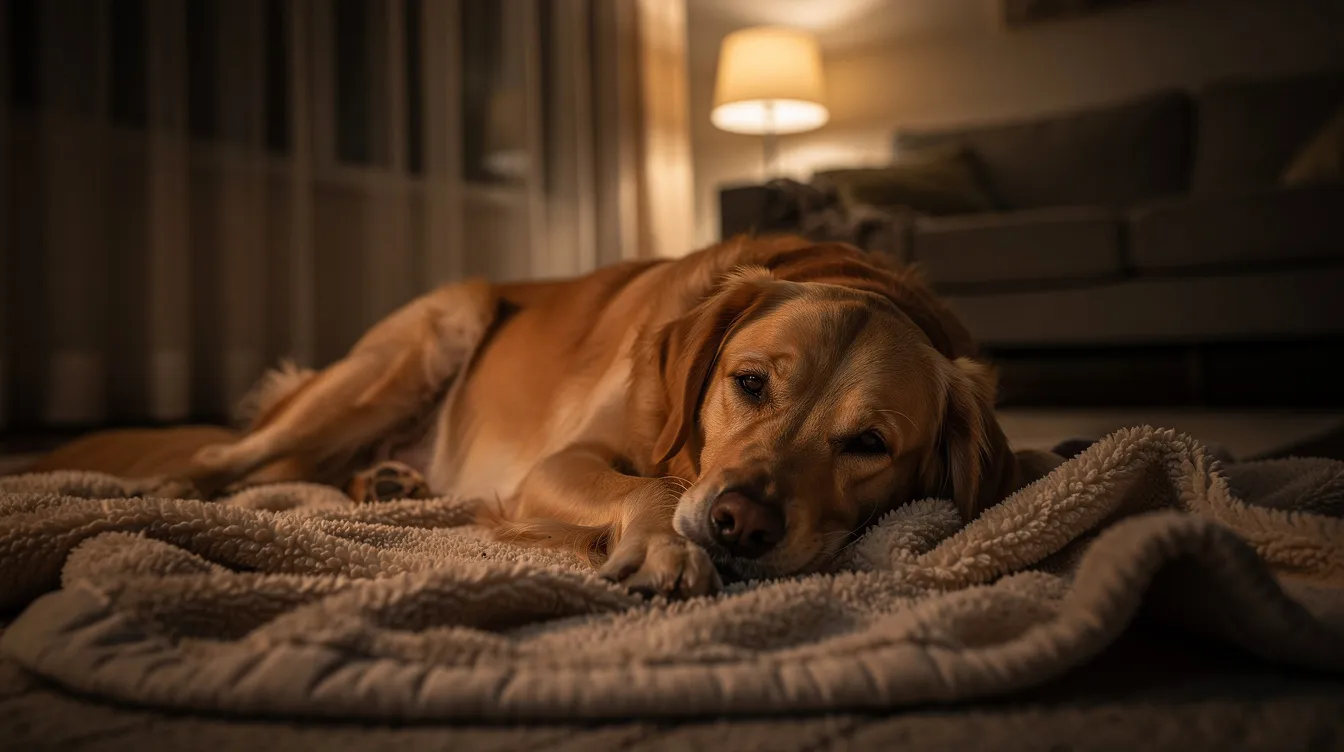
Reading your pet's body language when the noise starts
Noticing stress signs early lets you act before full panic hits. Dogs have an acute sense of hearing, roughly two to three times more sensitive than ours, so the sounds that feel loud to you feel louder to them.
Dog signs to watch: pacing, panting when not hot, yawning, lip licking, pinned ears, tucked tail, refusing to eat, hiding, or trembling. Most dogs show at least one of these before a full anxious response.
Cat signs to watch: dilated pupils, low crouch, tail tucked tight, ears flattened sideways, hiding in a closet or under furniture, or sudden aggression if cornered.
Mild concern can often be managed with your calm presence and a good distraction. Outright panic. Self-injury. Breaking through a crate. Those are red flags that call for professional advice.
Consider keeping a simple noise diary. Note dates like July Fourth, New Year's Eve, storm season. Track what triggered the response and what helped. Patterns reveal themselves, and planning beats reacting every time.
Creating a safe, quiet retreat your pet can choose
Every pet deserves one spot in the house that always feels safe. A designated safe space helps pets cope with stressors, and creating a secure environment reduces anxiety during loud events.
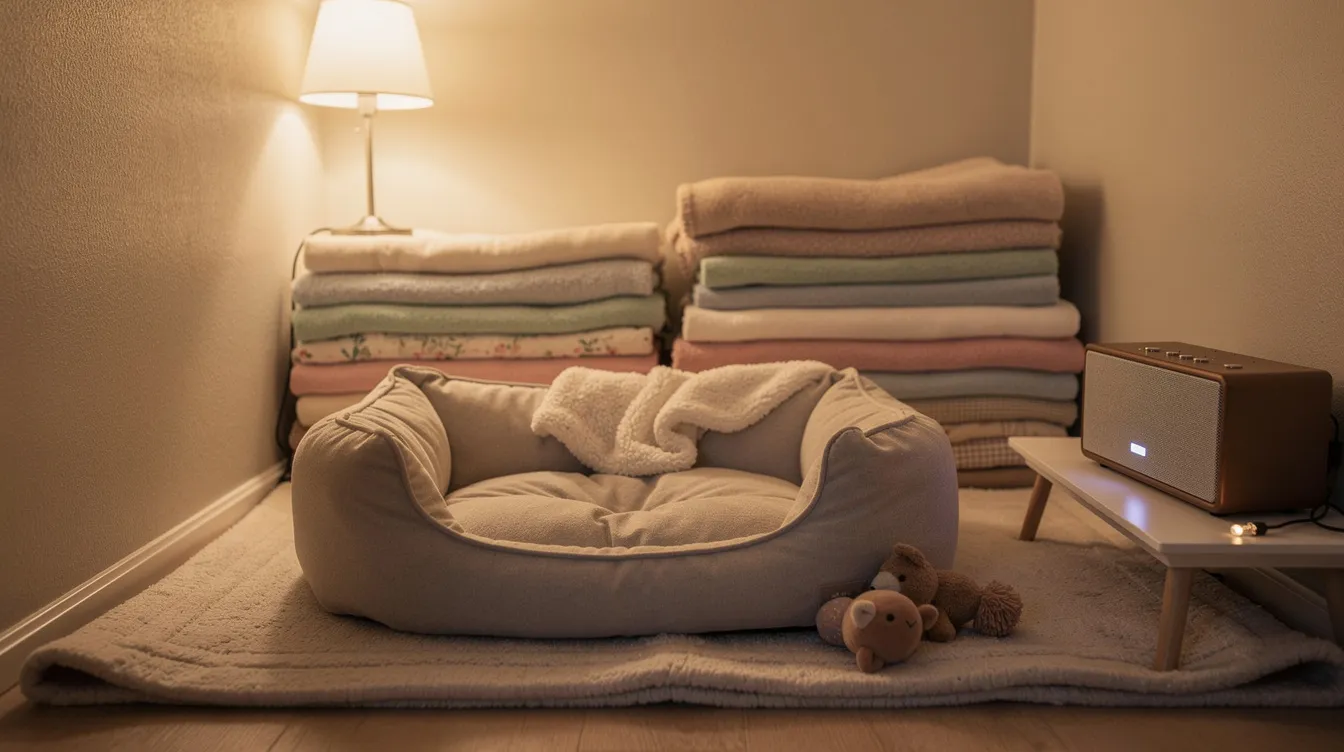
Create a safe room in a familiar area. An interior room with few windows works well. A windowless bathroom, walk-in closet, or covered crate. Dogs prefer den-like places for safety during loud events.
Stock it with things that smell like home. Use a crate or cozy blankets in the safe space. Providing familiar items can enhance a pet's sense of security. Toss in a favorite toy or a worn t-shirt.
Add sound. Classical music, a white noise machine, or a dedicated pet relaxation playlist can soften the edge of sharp booms. Calming music can reduce anxiety during fireworks.
Consider using dog-appeasing pheromones in the safe space. Pheromone diffusers can create a calming environment for pets and are available at most pet stores. Calming products like anxiety wraps provide comfort to anxious pets too. Compression garments like Thunder Shirts can help ease anxiety, but introduce them on quiet days first so the garment feels like comfort, not restraint.
Practice happy visits on calm afternoons. Feed treats there. Play a short game. Let the room become a place your pet wants to go, not one they associate only with fear.
For example, one Texas family turned a hall closet into a storm den. Blackout curtain over the door, a pillow with the owner's shirt, a soft playlist of rain sounds. Their dog now heads straight there the moment thunder begins. No coaxing needed.
Helping your dog or cat stay calm with training and routine
Small, steady habits on quiet days change how a pet feels on loud days.
Start by rewarding calm responses to everyday sounds. The dishwasher. A car door. Kids playing outside. When noise predicts good things, the brain begins to relax around it.
A simple desensitization plan: playing recordings of fireworks or thunder at low volume while your pet eats, naps, or is playing with a toy. Increase volume slowly over weeks. If the pet looks worried or stops eating, the volume is too high. Turn it back down. This is a long term project, not a weekend fix.
Short training games during distant storm sounds help too. Nose work, easy cues, a quick round of hide and seek with treats. Giving the brain a job builds confidence.
Routine exposure to mild sounds builds resilience. The goal is not a dog calm through willpower. It is a dog who has learned, slowly and gently, that noise does not have to mean danger.
If you enjoy reading about gentle approaches to life with pets, you can find more topics like this on our blog.
When to talk with your vet about calming supplements or medication
Some pets need more than music and safe rooms. That is not a failure. It is just their wiring.
Red flags that suggest a vet visit:
-
Self-injury during storms or fireworks
-
Breaking through doors or crates
-
Nonstop pacing, drooling, or refusal to eat during every loud event
-
Fear that lasts long after the noise stops
-
Panic that gets worse each season
Consulting a veterinarian can provide solutions for severe anxiety. They may suggest calming supplements like Composure Pro, L-theanine, or fish hydrolysate products. Calming supplements may require weeks to take effect, so begin early. Other options include pheromone products and prescription medication.
Trazodone can be effective for severe noise anxiety in pets and can help calm dogs before storms. It is typically given one to two hours before an expected event. Sileo, the only FDA-approved treatment for noise aversion in dogs, is applied to the gums and works in 30 to 60 minutes. Your vet verifies the right dose for your pet's weight and health.
Many medications need to be given 30 to 90 minutes before the noise starts, so it helps to keep an eye on the forecast and the event schedule. A quick weather check tells you when to start your pet's calming routine.
Never start human medications or over the counter anxiety products without your vet's specific guidance for your individual dog or cat. This is one area where professional advice protects your pet's health.
Medication is one more tool. It helps a beloved pet remain calm and cope. Not a replacement for a safe space, training, or your steady presence. Just a supplement to all of it.
Holding on to the quiet moments between the loud ones
The loud nights feel so big. But a pet's life is mostly made of the other kind. The quiet kind.
Your dog asleep on the couch after the storm passes, one ear still twitching. Your cat finally emerging from the bathroom, stretching, walking across your lap like nothing happened. The relaxed weight of them against your feet while the tv hums and the house is still.
Those ordinary moments are easy to overlook. You do not realize they are slipping until they already have.
Some families like to capture their pet exactly as they look in those calm, sleepy moments. A hand-illustrated portrait drawn from a favorite photo, hung on the wall where the memory of who they are when they feel safe stays visible every day.
If you have got that photo from a quiet night after the thunder passed, you can see what turning it into something for your wall might look like.
Frequently asked questions about calming pets when the sky gets loud
Should I comfort my dog or cat during fireworks, or will that make them more anxious?
Responding to genuine fear with calm comfort does not reinforce the fear. Gentle touch, quiet words, and simply sitting nearby can help many animals remain calm. The key is to stay relaxed yourself and avoid frantic energy, since that can signal the loud noises are a real threat. Watch your pet's body language and let them choose how much contact they want. Some lean into a lap. Others prefer resting a few feet away. Both are fine.
Is it safe to play loud music or white noise to cover thunder or fireworks?
Steady background sound like white noise, a fan, or soft classical music can help mask sharp booms and help a dog or cat settle. Keep volumes at a level where people in the room can still talk comfortably. You want to soften the edge, not trade one stressful sound for another. Test playlists on quiet days to see what your individual pet actually finds soothing. Calming music can reduce anxiety in pets during fireworks, but not every animal responds to the same sounds.
How early should I start preparing my puppy or kitten for loud noises?
Begin gentle noise exposure as soon as your vet says the young pet is healthy and settled at home, often within the first weeks after adoption. Pair very low volume recordings of thunder, fireworks, or traffic with meals and cuddles so loud noises predict good things from the start. Keep sessions short and stop while the animal still seems relaxed and happy. Indoors is the best place for this practice.
What can I do if my pet needs to go outside during a loud event?
Use a secure leash or harness even in fenced yards. Frightened pets can bolt or climb in ways they normally would not. Choose the quietest moment you can, keep the trip short and business focused, and reward them generously when you are safely back inside. Before known loud dates like July Fourth, double check collars, ID tags, and microchip information so a scared escape artist can find their way home.
Can a special blanket, thunder shirt, or clothing really help my pet feel safer?
Some dogs and cats find comfort in familiar textures and scents. A blanket that always stays on the couch or bed during storms can become a security anchor. Snug but comfortable garments or wraps can feel like a steady hug for some animals. Every pet is different, so introduce any new item slowly on calm days. Watch for signs of relaxation like softer eyes and slower breathing, and stop using anything that seems to make a pet more restless instead of calmer.