


Key Takeaways
-
Stay calm—keeping a level head can help protect your pet's life. Assess the ABCs (airway, breathing, circulation), and call your vet or nearest emergency veterinary hospital within the first 10-15 minutes. In the first 60 minutes, remain calm, assess the situation, and contact a veterinarian or emergency clinic while en route; moving quickly matters more than acting perfectly.
-
The first 60 minutes breaks into clear phases: safety and assessment (0-15 minutes), calling for help (15-30 minutes), gentle stabilization (30-45 minutes), and transport (45-60 minutes).
-
Home first aid is a bridge to professional veterinary care, never a replacement—especially in most emergencies. Your job is to stabilize, comfort, and get your pet to the right hands; do not attempt to replace veterinary care with home remedies in severe or persistent cases.
-
Having a pet emergency kit and emergency contacts ready ahead of time makes the difference between panic and purpose when every second feels critical.
-
Pet insurance can help cover emergency costs and is an important part of preparation for most emergencies.
-
This guide is written for pet parents who see their dogs and cats as family, focusing on practical steps wrapped in the emotional awareness you deserve.
Introduction: When Every Minute Feels Like a Lifetime
There’s a specific kind of fear that hits when your dog suddenly collapses or your cat starts struggling to breathe. Your heart drops. Your hands shake. And for a moment, you freeze—because this isn’t supposed to happen, and you have no idea what to do next.
This article is here to walk you through exactly that: the first 60 minutes of a pet emergency, broken into clear, doable steps so you’re not guessing in the middle of a crisis. One of the first things you should do is quickly assess your pet’s condition—check their breathing, responsiveness, and visible injuries—to determine how urgent the situation is and what immediate care may be needed. Monitoring your pet's condition and tracking any symptoms as they develop will help you prioritize care and provide accurate information to veterinary staff. We’re not trying to turn you into a licensed vet. We’re helping you become the calm, capable bridge between your pet and the professional care they need.
Feeling scared is completely normal. Even imperfect action is better than freezing in panic. Your pet needs you to show up—not perfectly, just present and trying. That’s already more than enough. Having digital copies of your pet’s medical records—including vaccinations, chronic conditions, medications, and allergies—can also be invaluable in an emergency. Storing these records in a pet health app or cloud storage ensures you have quick and convenient access to vital information when every second counts.

Essential Contacts and Information Every Pet Parent Needs
Preparation is the pet owner’s best friend when it comes to emergency situations. Having the right contacts and information at your fingertips can make all the difference in how quickly your pet receives immediate veterinary care. Start by saving the phone number and address of your nearest emergency veterinary hospital in your phone and posting it somewhere visible at home. Add your regular veterinarian’s contact information, too—sometimes they can offer guidance or coordinate with the emergency team.
Don’t forget to keep the pet poison helpline number handy, especially if your pet is prone to curiosity or you have toxic plants or sugar free products in your home. A well-organized pet first aid kit should include a list of these emergency contacts, along with a digital thermometer and basic first aid supplies. Knowing how to use your aid kit—like applying bandages or checking your pet’s temperature—can help you bridge the gap until professional veterinary care is available.
By organizing these details ahead of time, you’re not just preparing for the worst—you’re giving yourself the confidence to act quickly and effectively when every second counts. In a medical emergency, being able to reach the right help fast is one of the most important things you can do for your pet.
The First 5 Minutes: Stay Safe, Breathe, and Scan the Situation
Before you move them, take 2-3 deep breaths yourself. This isn’t wasted time. Steadying your hands and your thinking helps your pet calm down too—they feel your energy. When you’re calmer, your pet responds better. Staying calm can make a significant difference in protecting your pet's life.
Most emergencies require prompt and compassionate action to ensure the best outcome.
Safety Precautions for Injured Dogs
When your dog is hurt, your first instinct is to rush in and help—but taking a moment to ensure safety for both you and your pet is crucial. Injured dogs may be scared or in extreme pain, and even the gentlest pet can react unpredictably. Speak softly and move slowly to keep your dog as calm as possible.
If you notice severe bleeding, apply direct pressure to the wound with a clean cloth or gauze. Hold steady pressure—don’t keep lifting to check, as this can disrupt clotting. Only use a tourniquet if you are trained in its use, as improper application can cause more harm than good. For any signs of difficulty breathing, such as labored breathing or open mouth breathing, keep your dog still and quiet, and seek immediate veterinary attention.
Watch for warning signs like pale gums, extreme pain, or sudden collapse—these can indicate life threatening issues that require emergency veterinary care right away. By staying calm, using safe restraint techniques, and seeking immediate care, you help prevent complications and give your injured dog the best chance at recovery.
Minutes 5–15: Quick At-Home Check — Is This a True Emergency?
Not every scary moment is a life-threatening emergency. But some absolutely are. Evaluating your pet's condition quickly and accurately helps you determine the urgency and whether to call for guidance or rush out the door immediately.
Do a fast ABC check:
|
What to Check |
What You’re Looking For |
|---|---|
|
Airway |
Open mouth breathing in cats (always abnormal), labored breathing, or gasping |
|
Breathing |
Very loud or raspy breaths, no chest movement, or respiratory distress |
|
Circulation |
Gum color (healthy gums are pink; pale, white, or blue gums signal trouble) |
After the ABC check, assess your pet's breathing by watching the chest rise and fall and counting their breaths.
Check capillary refill time: Press your finger briefly against your pet’s gums, then release. The color should return within about 2 seconds. Longer than that suggests poor blood flow and circulation problems.
Red flags that always count as emergencies:
-
Seizures lasting more than 3-5 minutes
-
Sudden collapse or complete unresponsiveness
-
Severe bleeding that won’t stop with pressure
-
Bloated, hard abdomen (especially in large dogs—this could be life threatening)
-
Severe vomiting with blood present
-
Obvious trauma (hit by a car, fall from height, broken bones)
-
Difficulty breathing or open mouth breathing
-
Signs your pet ate toxic substances, toxic plants, or sugar free products containing xylitol
Document when your pet's symptoms started and how they have progressed to help the veterinary team.
Common scenarios that indicate a pet emergency include allergic reactions, sudden digestive upsets, minor injuries, accidental poisonings, and acute pain.
If any of these are present, skip home treatment. Call your emergency vet clinic immediately while preparing for transport. This is a medical emergency requiring immediate veterinary attention.
Common Emergency Situations for Cats
Cats are masters at hiding pain, which makes recognizing emergency situations even more important for every pet owner. If your cat is experiencing respiratory distress, severe vomiting, or extreme pain, don’t wait—seek immediate veterinary care. Other common emergencies include injuries from falls, being hit by a car, or exposure to toxic substances like certain plants or sugar free products.
If you suspect your cat has ingested something dangerous, contact the pet poison helpline immediately for guidance. Be alert for warning signs of internal bleeding, such as pale gums, lethargy, or difficulty breathing—these are life-threatening issues that need urgent attention. Quick action and awareness of these symptoms can make all the difference in ensuring your cat receives the emergency veterinary care they need.
Minutes 15–30: Call for Professional Help and Follow Their Lead
Once you’ve determined this is a true emergency—or even if you’re unsure—pick up the phone. Calling for veterinary guidance is never the wrong choice.
Who to call:
-
Your regular veterinarian (if during office hours)
-
Your nearest emergency veterinary hospital (saved in your phone, right?)
-
The pet poison helpline (if toxin ingestion is suspected—keep this number with your emergency contacts)
Have these facts ready when you call:
-
Species, breed, age, and approximate weight
-
Current symptoms and when they started
-
Any known toxins involved (bring the packaging if your pet ate something)
-
Current medications your pet takes
-
Any relevant medical history
-
Digital copies of your pet's medical records, including vaccinations, chronic conditions, medications, and allergies
Examples of clear, helpful statements:
-
“My 4-year-old Labrador just ate dark chocolate at 6:10 pm, approximately 4 ounces.”
-
“My 12-year-old cat has been open mouth breathing for 5 minutes and her gums look gray.”
-
“My dog was hit by a car about 10 minutes ago. She’s conscious but not moving her back legs.”
Documenting your pet's symptoms and medical history can help the veterinary staff provide effective treatment.
The emergency clinic may give specific first-aid instructions—like keeping your pet warm, flushing a wound with saline, or how to position a pet experiencing breathing problems. These instructions take priority over generic advice you’ve read anywhere, including here.
Write down or text yourself any instructions they give. In the stress of the moment, even simple directions can slip away. Having them in writing helps you stay focused.
Having pet insurance can help cover emergency costs and reduce stress during urgent situations.
Minutes 30–45: Stabilize Gently and Prepare for Transport
You’ve called for help. Now it’s time to gently stabilize your pet for the trip to the emergency clinic. These aren’t heroic interventions—they’re simple steps to keep things from getting worse.
For severe bleeding:
-
Apply firm, direct pressure with clean gauze or a folded cloth
-
Hold steady for several minutes without lifting to check
-
If blood soaks through, add more layers on top—don’t remove the original
-
Maintaining pressure helps control blood flow until you reach professional care
-
If no fracture is suspected, elevate bleeding limbs above heart level if possible
Safe positioning:
-
Most pets do well on their right side
-
If your pet is vomiting, keep their head slightly elevated to prevent complications
-
If trauma is suspected, avoid twisting their spine—move them as a unit
-
If you suspect broken bones or spinal injury, slide the pet onto a firm surface like a board or a stiff blanket to act as a stretcher
Handling and transport prep:
-
For medium and large dogs, use a sturdy blanket as a makeshift stretcher
-
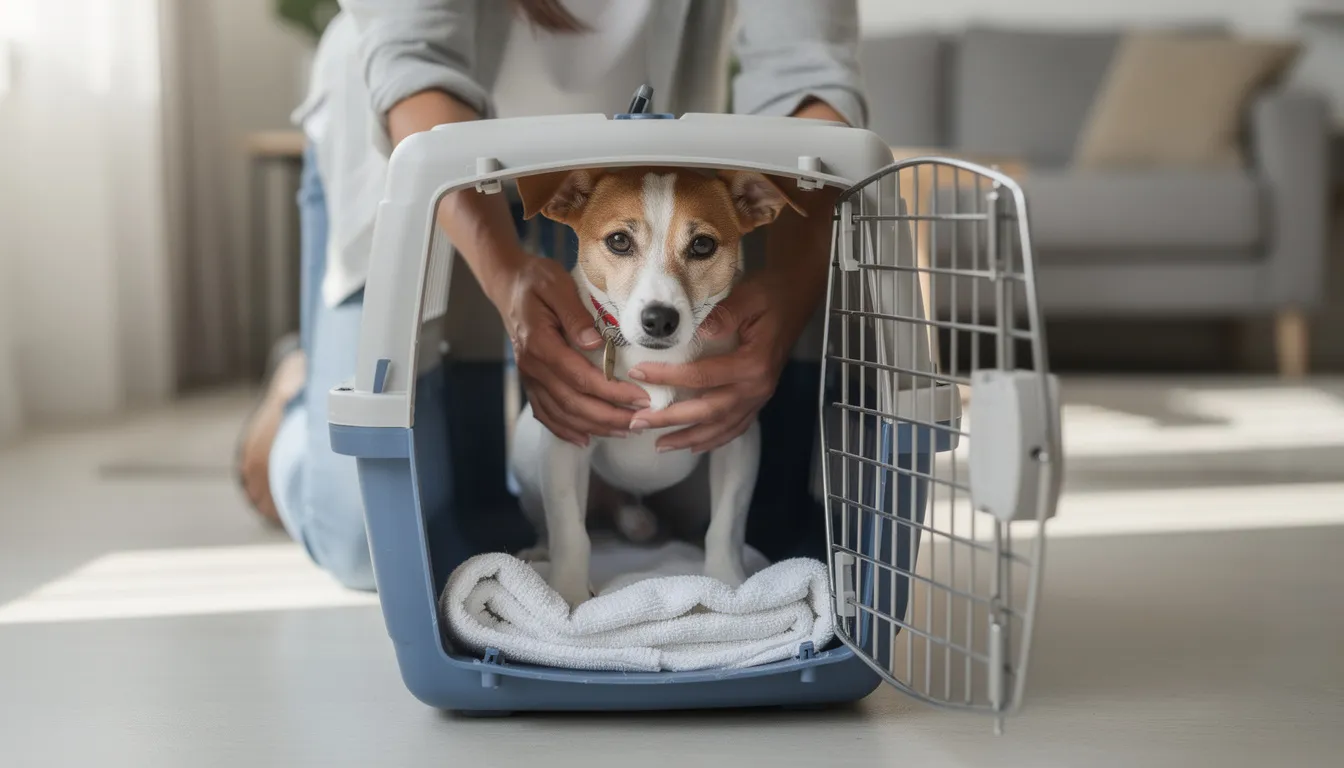
For cats and small dogs, a towel-lined carrier keeps them contained and calmer
-
Use gentle restraint techniques—no forcing or tight gripping
-
Secure the pet in a carrier or with a muzzle to prevent bites when transporting
After stabilization, keep your pet warm with blankets during transport to prevent shock, unless they are suffering from heatstroke.
Critical reminder: Never give human medications like ibuprofen, Tylenol, aspirin, or any sleeping pills unless your vet has explicitly instructed that specific dose for your specific pet. These can be fatal to dogs and cats. This is one of the most common mistakes in pet emergencies, and it can make all the difference between recovery and tragedy.
These steps are not meant to replace veterinary care—always seek professional help as soon as possible.
Minutes 45–60: Get Out the Door — What to Bring and How to Travel
You’re almost there. These final 15 minutes are about getting out the door safely and arriving at the emergency care facility ready to help the veterinary team help your pet.
If time and situation allow, grab:
-
Any medications your pet takes daily
-
Your pet’s medical records or a list of medical issues
-
A recent photo of your pet (helpful if they need to be identified)
-
The container or label of any toxin, medication, or substance involved
-
Vaccination records if you have them accessible
Safe transport tips:
-
Have a second person drive if possible, so you can observe your pet
-
Keep the vehicle temperature comfortable—not too hot, not too cold
-
Avoid loud music or shouting, which can stress an already frightened pet
-
For cats and small dogs, a secure carrier is best
-
For larger dogs, a blanket or bed on the car floor prevents sliding
Call ahead again if symptoms change significantly en route. If your pet suddenly becomes unresponsive, has sudden drops in alertness, or starts bleeding more heavily, the clinic needs to know so they can prepare for immediate care when you arrive.
Keep your pet calm during the drive by speaking softly and staying as steady as you can. Your presence is more comforting than you realize.
What to Expect at the Emergency Vet
Arriving at the emergency vet can feel overwhelming, but knowing what to expect can help you stay focused on your pet’s needs. When you walk in, a veterinary technician will usually assess your pet’s vital signs—temperature, heart rate, and blood pressure—to determine the urgency of the situation. The veterinarian will then perform a thorough examination and may recommend diagnostic tests like X-rays or blood work to get to the root of the problem.
Depending on your pet’s condition, immediate treatment such as medication, surgery, or hospitalization may be necessary. Be ready to provide your pet’s medical history, including any pre-existing conditions, current medications, and up-to-date vaccination records. The more information you can share, the better equipped the emergency team will be to deliver the best possible care for your pet.
After-Hours Support and Follow-Up: When Help Isn’t Immediately Available
Pet emergencies don’t always happen during regular business hours, and every pet owner should be prepared for those late-night or weekend crises when your regular veterinarian isn’t available. In these moments, knowing exactly where to turn for immediate veterinary care can make all the difference for your pet.
Start by identifying the nearest emergency veterinary hospital or 24/7 emergency clinic before an emergency ever happens. Save their contact information and address in your phone, and keep it posted somewhere visible at home. Many veterinary hospitals partner with emergency vet clinics to ensure pets can receive emergency care at any hour, so check with your regular vet about their after-hours recommendations.
If your pet is experiencing a true emergency—such as difficulty breathing, severe bleeding, or extreme pain—don’t wait. Call the emergency clinic right away. Giving them advance notice allows the veterinary team to prepare for your arrival, which can be critical in life-threatening situations. If you’re unsure whether your pet’s symptoms require immediate veterinary attention, most emergency clinics can provide guidance over the phone to help you decide on the next steps.
While you prepare for transport, your pet emergency kit becomes your best ally. Use it to provide first aid—such as applying direct pressure to stop severe bleeding or using a muzzle for safe handling—while you arrange for immediate care. Knowing how to recognize signs of respiratory distress and how to keep your pet calm and stable can help prevent complications until you reach professional help.
If you have pet insurance, review your policy so you know what emergency situations are covered and keep your documents handy. This can help reduce stress and speed up the process when you arrive at the emergency clinic.
Preparation is key: familiarize yourself with after-hours veterinary resources, keep your emergency kit stocked and accessible, and don’t hesitate to seek emergency care if your pet’s condition is serious. In emergency situations, acting quickly and confidently can truly make all the difference in saving your pet’s life.
Core First-Aid Skills for Pet Parents (Before You Ever Need Them)
The best time to learn pet first aid is before you need it. When you’re calm and your pet is healthy, you can absorb information that your panicked future self will thank you for.
Consider taking a class:
-
Many local vet clinics, humane societies, and animal shelters offer dog and cat first aid courses
-
Look for classes covering pet CPR, basic bandaging, and safe restraint techniques
-
Online programs from trusted veterinary hospitals can work if in-person isn’t available
Essential skills worth practicing when calm:
-
Checking your pet’s breathing rate and pulse
-
Opening your pet’s mouth safely to look for visible foreign objects or obstructions (be extremely cautious when handling your pet's mouth to avoid injury to yourself or your pet)
-
Using a digital thermometer if your vet recommends it
-
Recognizing your pet’s normal vital signs so you know when something is “off”
Eye wash solution can help flush out foreign material or irritants from your pet’s eyes.
Create a reference sheet for each pet:
-
Normal resting breathing rate
-
Approximate heart rate
-
Typical gum color
-
Any pet specific health conditions or sensitivities
This information, combined with a well-stocked aid kit, transforms the first 60 minutes from chaos into something manageable. No online guide or home treatment should replace veterinary care in serious or persistent situations. Even basic familiarity helps every pet owner respond more effectively.
Building a Simple Pet Emergency Kit You Can Actually Use
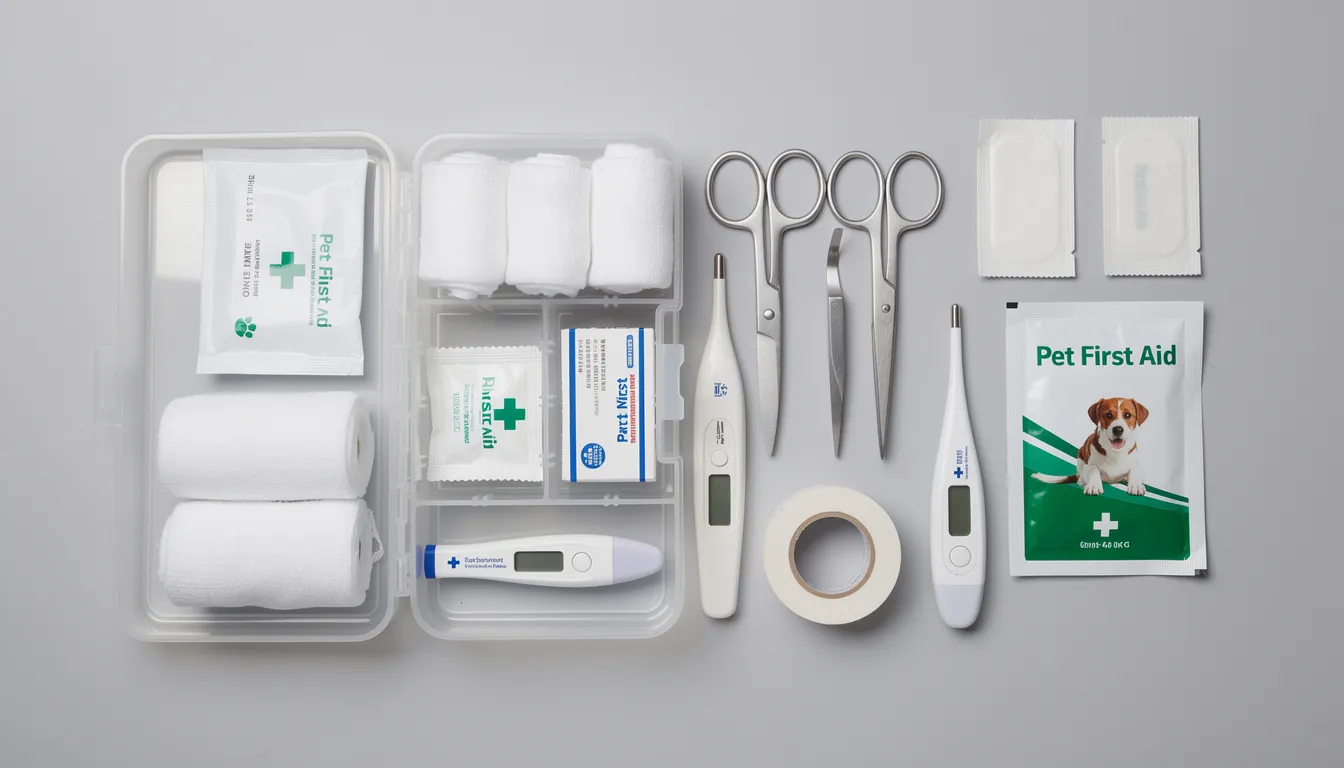
A pet first aid kit is only helpful if it’s simple, organized, and easy to grab. Complicated systems get ignored in real emergencies.
Essential physical items:
|
Item |
Purpose |
|---|---|
|
Non-stick gauze pads |
Wound coverage without sticking |
|
Rolled bandage |
Securing gauze in place |
|
Adhesive tape (fur-safe) |
Holding bandages |
|
Small scissors (rounded tips) |
Cutting bandages safely |
|
Digital thermometer |
Checking temperature if advised |
|
Sterile saline solution |
Flushing wounds or eyes |
|
Tweezers |
Removing splinters or debris |
|
Soft muzzle (for dogs) |
Safe handling of an injured animal in pain |
Written information to include:
-
Regular veterinarian’s number
-
Nearest 24/7 emergency vet clinic
-
Pet poison helpline (note any associated fees)
-
Emergency contact numbers for family members who can help
-
Pet insurance information
-
Digital copies of your pet's medical records (including vaccinations, chronic conditions, medications, and allergies)
Maintenance schedule:
-
Check the kit every 6-12 months
-
Replace expired items
-
Update phone numbers and clinic information
-
Ensure any batteries still work
-
Regularly check and update your pet’s emergency medications
-
Track expiration dates for all medications and store them properly
Store your pet emergency kit in an easy-to-grab spot in your home. Keep a smaller version in your car for travel and hikes. Preparedness isn’t about expecting the worst—it’s about being ready to show up for your pet when it matters most. Most emergencies require quick access to these items and information.
Pet Emergency Apps and Online Resources
In today’s digital world, pet owners have more tools than ever to help them handle emergency situations. Pet emergency apps can be a lifesaver, offering quick access to first aid tips, toxic substance databases, and even the pet poison helpline. Some apps let you store your pet’s medical records, track vital signs, and locate nearby veterinary hospitals—all from your phone.
Trusted online resources, like the American Animal Hospital Association (AAHA) and the American Veterinary Medical Association (AVMA), provide up-to-date information on emergency care, warning signs of life threatening issues, and step-by-step first aid instructions. By familiarizing yourself with these resources and keeping your pet first aid kit stocked, you’ll be better prepared to recognize emergencies and respond with confidence when your pet needs you most.
Post-Emergency Care and Follow-Up: The Next Steps for Recovery
Once your pet has received emergency care and is back home, your role as a pet parent shifts to supporting their recovery and preventing further complications. The days and weeks after a pet emergency are just as important as the first hour, and careful follow-up can help your pet heal safely and comfortably.
Begin by following all instructions from your veterinary care team to the letter. This includes giving medications on schedule, restricting activity if your pet has broken bones or internal injuries, and attending all follow-up appointments. These visits allow the veterinarian to monitor your pet’s progress, remove sutures if needed, and adjust treatment plans based on how your pet is responding.
Keep a close eye on your pet’s condition during recovery. Watch for any warning signs such as difficulty breathing, changes in appetite, vomiting, diarrhea, or signs of pain. If you notice anything unusual or if your pet’s symptoms worsen, contact your veterinarian or emergency clinic immediately—early intervention can prevent complications and support a smoother recovery.
Create a quiet, comfortable space for your pet to rest, away from household noise and activity. This helps reduce stress and gives your pet the best chance to heal. If your pet needs ongoing care, such as physical therapy or long-term medication, work closely with your veterinary team to develop a plan that meets your pet’s specific needs.
Don’t forget to update your emergency kit and emergency contact numbers after an emergency. Replace any supplies you used, check expiration dates on medications, and make sure your pet’s medical records are current. This proactive approach ensures you’re ready for any future emergencies and helps keep your pet safe.
By staying vigilant, maintaining open communication with your veterinary care team, and keeping your emergency kit up to date, you’re giving your pet the best possible support on their road to recovery. Your dedication and preparedness can make all the difference in your pet’s long-term health and happiness.
After the First Hour: Emotional Aftercare for You and Your Pet
Once the immediate crisis passes and you’re home from the emergency clinic, you might feel something unexpected: a crash. Exhaustion. Guilt. Second-guessing every choice you made.
This is normal. You just went through something genuinely traumatic.
Questions to ask your vet after stabilization:
-
What likely caused this?
-
What should I watch for at home?
-
How can I prevent similar emergency situations in the future?
-
When should I call if something seems wrong during recovery?
Comfort measures for your pet once home:
-
A quiet, warm space away from household chaos
-
Familiar blankets and their favorite resting spot
-
A calm routine—no exciting visitors or stimulation
-
Follow the vet’s instructions exactly on food, water, and medications
Gentle reflection for yourself:
Consider jotting down what went smoothly and what felt confusing. Update your checklist or emergency kit based on what you learned. After an emergency, update your documentation of your pet's symptoms and medical history—this can help veterinary staff provide more effective treatment in the future. This isn’t about criticizing yourself—it’s about being even more prepared next time.
Most importantly: needing urgent care or immediate veterinary care doesn’t mean you failed your pet. It means something happened, and you showed up when they needed you most. That’s what good pet parents do.
As part of your ongoing emergency preparedness, review your pet insurance coverage to ensure you’re protected for future emergencies.
Frequently Asked Questions
How do I know if I should go to the emergency vet right now or wait for my regular veterinarian?
Go to an emergency clinic immediately—day or night—if your pet shows trouble breathing, collapses, has uncontrolled bleeding, seizures lasting more than a few minutes, severe trauma, internal bleeding signs, or a swollen painful abdomen. Veterinary attention cannot wait in these cases. Before heading to the clinic, assess your pet's condition and document their symptoms and any relevant medical history—this information will help the veterinary team provide effective treatment.
For milder concerns—like a single episode of vomiting in an otherwise bright pet, minor limping, or small cuts—you may be able to wait for a same-day or next-morning appointment with your regular veterinarian. But calling for veterinary guidance is always appropriate. Trust your gut: if your pet seems “not right” in a way that scares you, at least call a vet immediately for advice.
What should I absolutely never do in a pet emergency at home?
Never give human medications like ibuprofen, Tylenol, or aspirin—these can be fatal to both dogs and cats. Don’t induce vomiting without explicit veterinary guidance, as some toxic substances cause more harm coming back up. Avoid applying tourniquets unless specifically instructed by a vet.
Home treatments or over-the-counter medications should never replace veterinary care, especially in severe or persistent cases. Always seek professional veterinary consultation for proper diagnosis and treatment.
Don’t force food, water, or medications into a pet who is vomiting, seizuring, or unconscious. And please—don’t delay immediate attention while searching the internet for answers. If you’re driving, don’t monitor your pet while distracted; bring another adult or pull over to reassess your pet’s condition.
Can I prepare different checklists for different pets in my home?
Absolutely, and this is a smart approach for households with multiple animals. Create a one-page emergency sheet for each pet with their photo, age, weight, known conditions, current medications, and vet contact information. Store these together near your first aid kit. Additionally, keep digital copies of your pet's medical records—including vaccinations, chronic conditions, medications, and allergies—so you can access them quickly in emergencies.
Color-code or clearly label any species-specific supplies—some medications safe for dogs are dangerous for cats. Review each pet’s sheet at least once a year, or after any new diagnosis or medication change, to keep information current.
What if I live far from an emergency clinic and can’t get there quickly?
If you’re rural or remote, talk with your regular vet in advance about the nearest emergency options and any special steps for long drives. Ask about telemedicine options for real-time guidance during transport.
Keep a more robust travel kit in your car with extra blankets, water, and a power bank so you can stay in touch with veterinary hospitals during transit. Practice loading your pet calmly into the vehicle now, so the physical logistics are easier during an actual emergency when your pet’s life may depend on quick action.
How often should I practice or review my pet emergency plan?
Review your plan and kit at least once or twice a year—perhaps at the start of each season or during your pet’s annual wellness visit. Even briefly walking through the first 60-minute steps mentally helps your future panicked self move more calmly.
If you have family members or roommates, make sure everyone knows their role: who drives, who calls, who preps the carrier. A few minutes of practice when things are calm can make all the difference when an emergency actually happens.
If you found this helpful, consider printing it out and keeping a copy with your pet emergency kit. When the moment comes—and hopefully it never does—you’ll be glad you prepared. Because being ready isn’t about expecting the worst. It’s about loving your pet enough to show up for them, even when you’re scared.