


Key Takeaways
-
Pets use eye contact as one of their clearest ways to communicate with you. One of the main ways dogs communicate is through their eyes and body language. That dog stare or cat gaze usually means one of three things: they want something, they feel something, or they are trying to figure out what you are about to do next.
-
Context matters more than the stare itself. Body language like ears, tail position, and posture tells you whether your pet is relaxed, confused, or tense. Pets also communicate emotions through subtle eye movements and facial expressions, which can show trust, stress, or requests for help.
-
A soft gaze typically indicates affection and a relaxed state, while a hard stare can signal tension or aggression, especially if accompanied by a stiff posture. Mutual gazing between dogs and humans can release oxytocin, the love hormone, strengthening your bond.
-
The way your pet looks at you today will become one of the small details you miss years from now. Those ordinary Tuesday looks are worth noticing and preserving.
-
At Print Our Pet, we turn those exact “you are my person” photos into hand illustrated portraits. But that comes later. First, let’s talk about what your pet is actually saying.
That quiet stare from the couch: what is actually going on
Picture your cat sitting on the back of the sofa on a Sunday night. Pupils wide. Just watching you scroll your phone.
Pets do not have words. So their eyes become one of their main tools to check in, ask questions, and show emotions. A dog's eyes, in particular, play a crucial role in expressing emotions and intentions—dogs and humans have built this language together over thousands of years. Cats picked it up more recently but use it just as deliberately.
Most pet parents know their animal’s signature looks by heart:
-
The 6pm dinner gaze
-
The “are you leaving?” stare when keys jingle
-
The bedtime look that says the day is done
When your dog is staring at you, it can mean different things depending on the situation—ranging from wanting attention to signaling alertness or even displaying breed-specific behaviors.
Dogs often spend a significant amount of time staring at their owners as a form of communication, using their gaze to anticipate your actions or express their needs.
You can usually decode any stare by asking three questions: Do they want something? Are they unsure? Or are they stressed or guarding something?
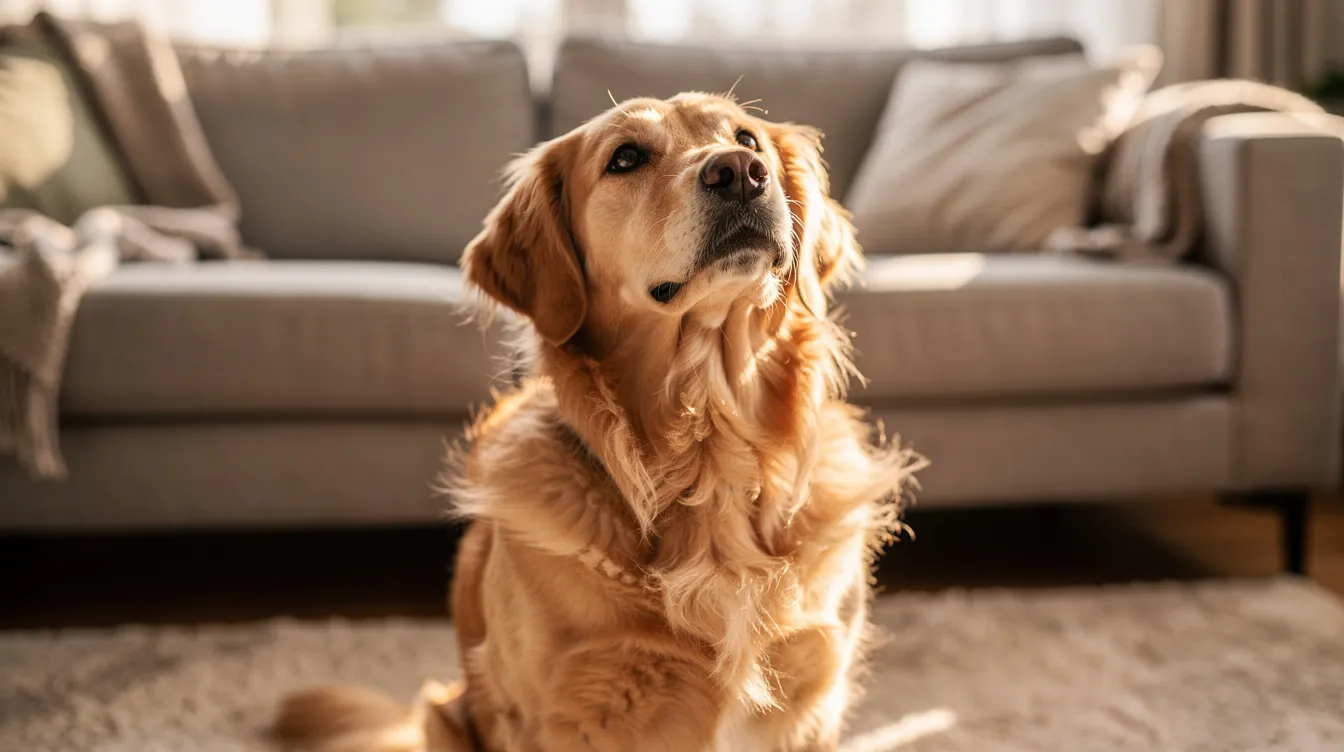
Remember, context is crucial when interpreting pet emotions, as a single facial expression does not provide the full picture.
Your pet is asking for something (the classic “I want” stare)
This is the most common reason for staring. Your own dog standing by the back door at 7pm. Your cat positioned near the treat jar. A longing look, with intense eye contact and a soft face, is often used by dogs to beg or express affection. You may notice your dog staring at you with longing eyes while you eat, hoping for a bite.
Request stares come with soft eyes, a relaxed body, maybe a tail swish or quiet whine. Dogs love the attention and rewards they get from making eye contact. Dogs learn to use eye contact as a way to communicate their needs and desires by observing how humans respond to their stares. They have learned to use eye contact as a way to communicate affection and seek attention from their owners, often associating it with receiving rewards or affection. If you reward your dog for staring at you, they will continue to do it to get what they want, such as food or attention, which can lead to begging behavior.
That single toss of table food in 2020 can create a very persistent staring habit by 2026.
To manage your dog’s staring behavior, it is important to ignore the stare and instead reward alternative behaviors, such as chewing a toy or ringing a bell to go outside. Give your dog enough exercise before meals. Reward calm sitting instead of intense watching.
Your pet is reading you like a book
Your pet is like a roommate who never misses a move. They memorize tiny patterns. Grabbing keys. Putting on running shoes. Closing your laptop.
Dogs often stare at their owners to seek guidance or clarification, especially in uncertain situations, as they are constantly reading human body language for cues. Dogs tend to initiate eye contact when they are seeking guidance or trying to understand what you want them to do. Your dog might be staring at you to figure out what you will do next or to get a sense of your intentions. Many dogs spend hours each day tracking your movements, waiting for signals about walks, play, food, or when you might finally sit down.
The watching stare looks like alert ears, a slightly forward body, maybe a tilted head. It happens when you stand up, open a drawer, or walk toward a certain room.
Well trained dogs check in with a steady, neutral gaze during walks or training. They are waiting for the next cue. This is something positive reinforcement builds over months. When you respond consistently, your pet’s confidence grows because they understand the rules.
Your pet is trying to connect with you
Your dog curled against your legs in bed. Soft eyes on your face. A sigh.
This is affection. Mutual staring between dogs and humans can trigger the release of oxytocin, the hormone associated with bonding and affection, deepening the connection between you and your pet. Mutual gazing between dogs and humans releases oxytocin, known as the love hormone, which plays a significant role in bonding and boosts feelings of love and trust. A 2015 study found that 30 minutes of mutual gazing elevated oxytocin by 130% in dogs and 300% in humans.
A gentle gaze from a dog's eyes often signifies that they are happy and content to interact with their owner. Looking into another's eyes, especially with a soft gaze, can signal love and trust. You will notice soft eyes, a relaxed open mouth, slow tail movements, loose muscles.
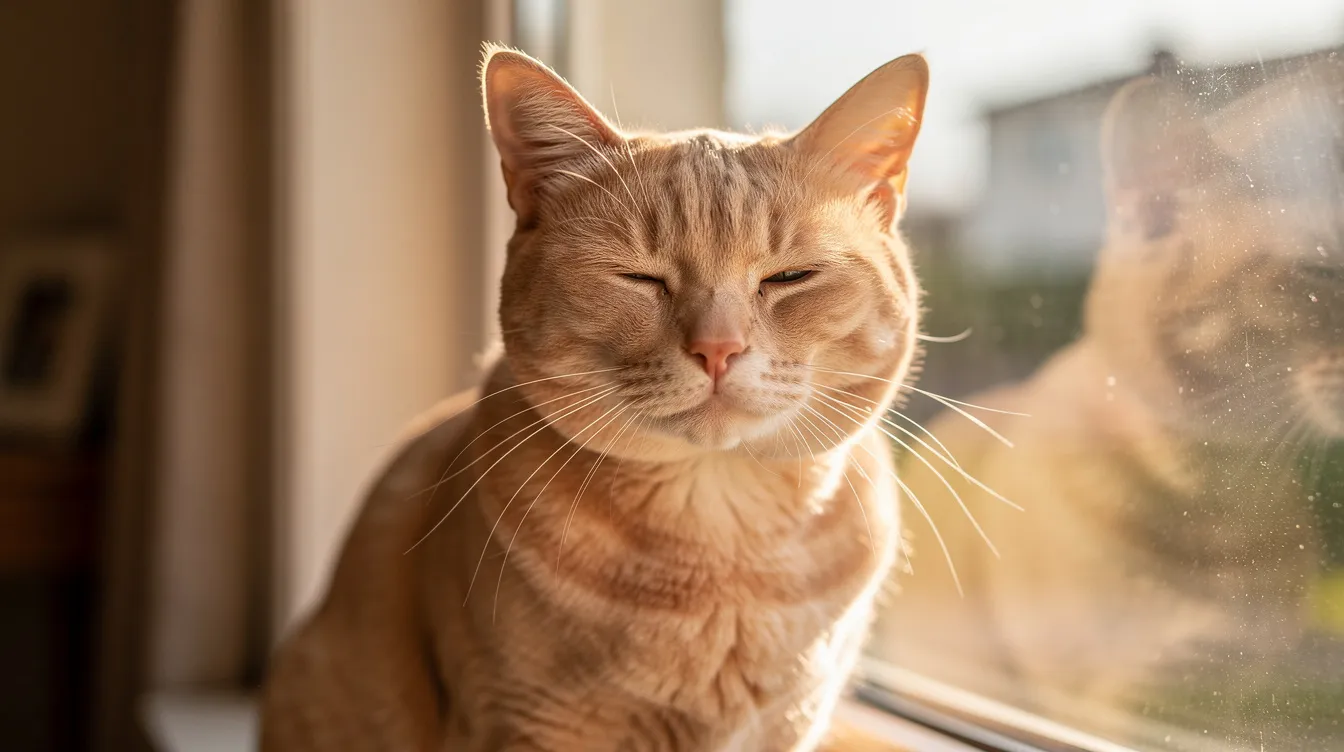
Cats show this through slow blinking. Slow blinking in cats signals trust and affection, often referred to as a “cat kiss.” Returning that blink says “I am safe with you too.”
Dogs have evolved to raise their inner brow muscles, creating a sad look that elicits care from owners. That loving stare is not manipulation. It is connection, shaped by thousands of years together.
Your pet is confused and looking to you for guidance
Sometimes the stare is a question mark.
A pup may stare at you with a soft gaze and a tilted head when confused or unsure about what is expected, signaling they are seeking clarification. Dogs may do this during social referencing, looking to their owners when encountering strange objects or tasks, seeking help or checking reactions.
You see this during dog training sessions. A dog freezing mid step. A cat pausing in the hallway when you rearrange furniture. Enrolling in a structured dog training course can help pups learn to interpret cues and reduce confusion.
Help them out:
-
Break commands into smaller steps
-
Use clear gestures
-
Keep sessions short
-
Reward tiny bits of progress
For many dogs, especially rescue animals, this checking in stare is a sign of growing trust. They have learned that you respond kindly when they are unsure.
Your pet might be tense, guarding, or overwhelmed
Not every stare is friendly.
A hard stare signifies aggression, challenge, or extreme discomfort, and can be a warning sign before a bite. Owners may feel uncomfortable when their dog gives a hard stare. You will notice a very still body, stiff posture, a tight or closed mouth. The eyes do not blink much. This often happens near food bowls, beds, or when a stranger reaches toward them.
Other signs to watch for:
-
“Whale Eye” occurs when a dog turns its head away but keeps its eyes on the owner, indicating stress, anxiety, or fear
-
Lip licking and yawning, when not related to food, are often calming signals indicating stress or anxiety
-
Dilated pupils can indicate excitement, high arousal, or fear
-
A submissive grin in dogs, characterized by pulled back lips, shows submission or appeasement, not aggression
-
Avoiding eye contact is a sign of submission, fear, or a desire to reduce tension
Do not lean closer. Do not stare back. Give your dog space. If this happens often around food or toys, contact a vet or trainer. Resource guarding affects 20 to 30 percent of dogs but responds well to professional guidance.
Persistent staring into empty corners or walls, especially in older pets, can signal cognitive dysfunction. That deserves a veterinary check.
Breed and personality quirks that change “the look”
Some pets are natural starers.
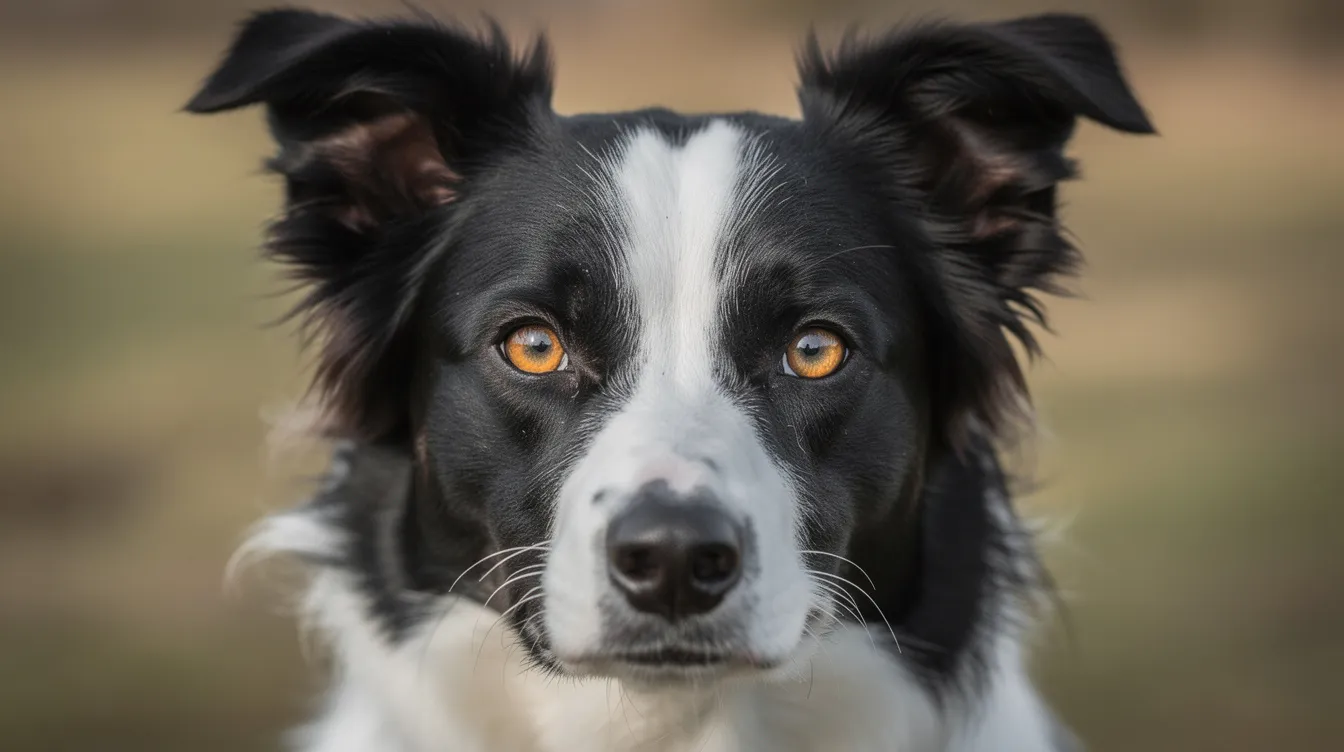
Border Collies and Australian Shepherds carry a strong herding stare. They may use intense eye contact on toys, other dogs, or even family members when in work mode. This is normal but can feel overwhelming indoors.
Pugs and French Bulldogs tend to make frequent eye contact because of their prominent eyes and facial structure. Many dog owners with brachycephalic breeds notice more direct stare behavior.
Some shy cats avoid direct gaze altogether. Avoiding eye contact is a sign of submission, fear, or a desire to reduce tension. This does not mean less bonding. They may just prefer showing affection through touch or proximity.
Learn what is typical for your pet’s breed or mix. Then you can tell the difference between a baseline focused look and something new that might need attention.
When your pet stares in specific awkward moments
Some memorable stares happen in the bathroom. Or at the dinner table. Or when you grab your keys at 8am.
Many dogs lock eyes while pooping because they feel vulnerable and are checking that you are on lookout duty. Cats sometimes hold eye contact from the litter box door for similar reasons.
The leaving ritual. Your dog locks eyes when you pick up your leash or close the front door. This can signal routine expectation. Or mild worry. Or separation anxiety if paired with pacing.
Night time stares. Your pet watching as you fall asleep. Waking you at 3am with a close range gaze. They might want food. A potty break. Or they are simply more active at those hours.
Gentle routines help. Calm goodbye rituals. Puzzle feeders before bed. Professional support if the watching becomes restless.
What to do when the stare worries you
Most stares are harmless. Some patterns deserve attention.
Red flags in simple terms:
-
Brand new staring into corners
-
Sudden fear with hard eyes showing teeth
-
Staring paired with disorientation
-
Any look that feels “not like them”
Context is crucial when interpreting pet emotions, as single facial expressions do not provide the full picture. Pets communicate emotions through subtle eye movements and facial expressions, which can show trust, stress, or requests for help.
Jot down dates, times, and what was happening. Share that log with your vet. Changes in eyesight, pain, hearing loss, or cognitive decline can all shape how your pet uses eye contact.
Asking for help from vets, trainers, and behavior pros is an act of care. Not overreaction.
Holding on to the way they look at you
If you scroll back to photos from 2019 or 2020, the thing that hits hardest is often the way your pet’s eyes looked at you. Not what you were doing that day.
Moments fade. Phones fill up. The way your dog or cat looks at you in ordinary Tuesday light slowly blurs in memory.
Print Our Pet is a small Dallas based team that turns one favorite photo into a hand illustrated portrait. Real artists. No filters. That exact look, made into something that lives on a wall instead of buried in a camera roll.
The path is simple. Find that one photo where their eyes tell the whole story. Send it in. The artists handle the rest.
If there is a look you never want to forget, you might like to see what it would feel like to have it living on the wall you pass every morning.
FAQ
Is it okay to stare back at my pet when they look at me?
Returning a soft, relaxed gaze for a few seconds is usually fine and can feel like bonding, especially with dogs you know well and cats who are slow blinking. But very direct, unblinking, close range stares can feel threatening to some animals. Blink, soften your eyes, or look slightly to the side instead of having a staring contest. Watch the whole body for signs like stiff posture or a closed mouth and break eye contact gently if tension appears.
Why does my pet stare at me most when I am eating?
Mealtimes are rich with smells and movement. Dogs often stare at their owners to communicate their needs, and they quickly learn that focused watching sometimes leads to dropped bites. If you have ever shared food from the table, even once, your pet probably logged that as a reason to keep watching. Feed your pet their own meal at the same time. Ignore the stare. Reward calm behavior away from the table. Consistent responses over a few weeks usually reduce intense food focused staring.
Why does my pet stare at the wall or into space?
Occasional staring at sounds we cannot hear is normal. Animals detect frequencies we miss. But frequent or new episodes of staring into corners, especially in senior pets, can signal vision changes, pain, or cognitive dysfunction. Record a short video with the date. Show it to your veterinarian if you see this more than a few times in a week.
Is my pet being rude if they will not look me in the eye?
Many pets, especially shy dogs and cats, find direct eye contact intense. Turning their head slightly or looking past you can be a polite way of saying they mean no harm. Trust can show up as relaxed posture, choosing to sit near you, or leaning into your hand. Build comfort slowly with calm voices and gentle touch. A pet who avoids eye contact is not less bonded. They may just communicate comfort in other ways.
Can I train my pet to make eye contact on cue?
Yes. Many trainers teach a simple “look at me” cue using tiny treats and brief eye contact. Say a cue word. Reward any glance toward your eyes. Slowly wait for slightly longer looks over separate short sessions. Teaching your dog to focus on you instead of staring at other dogs can prevent potential conflicts and improve their social interactions. Keep sessions short. Use soft eyes. Let your pet look away often so it feels like a game, not pressure.